
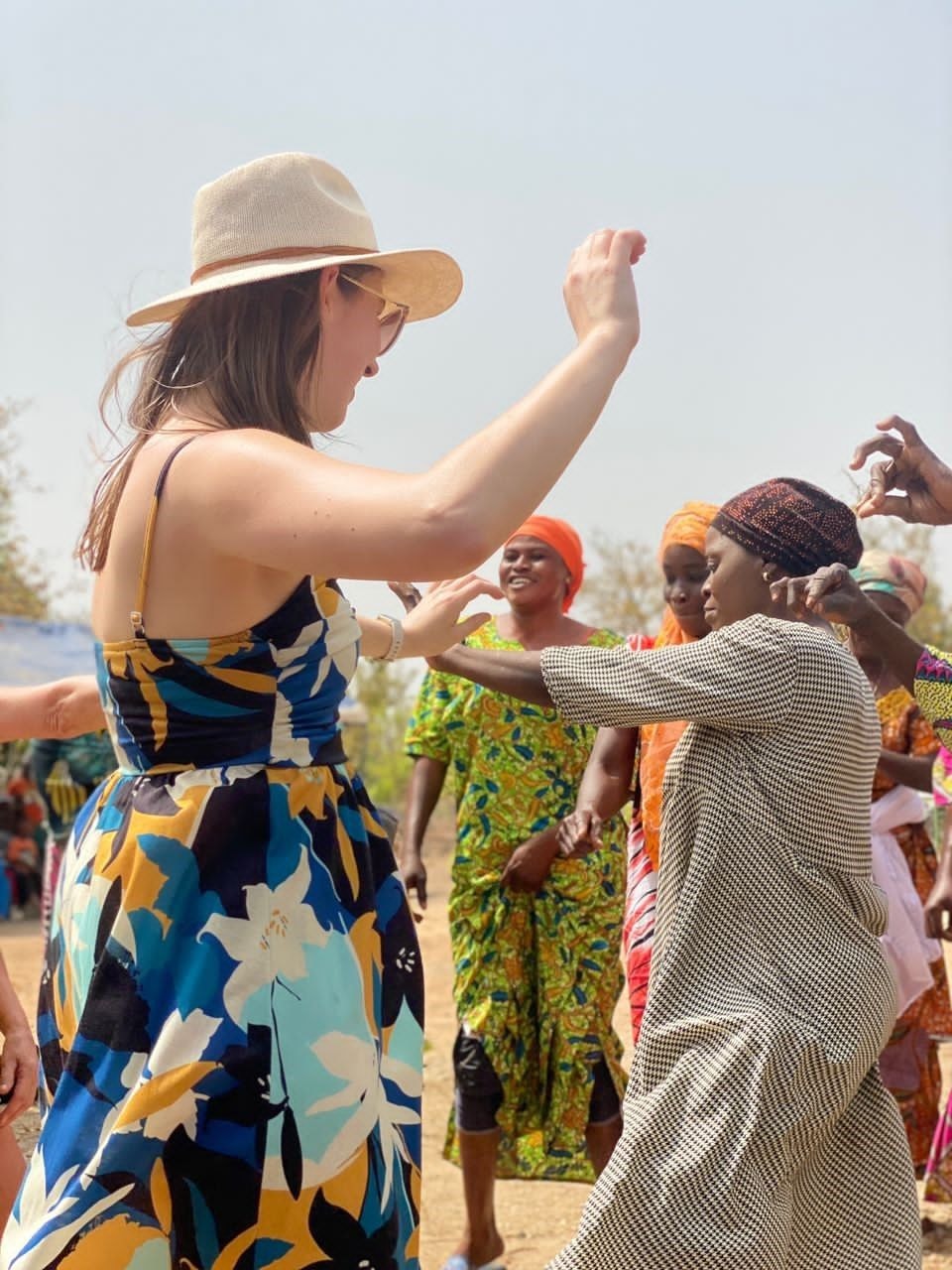
Baraka Impact: using shea butter to empower communities
Rafiq Nungor ADAM

Published by Benson Arthur
1 view
Topics in this article
Baraka Impact
Related Coverage: Editors' picks
Banking & Finance
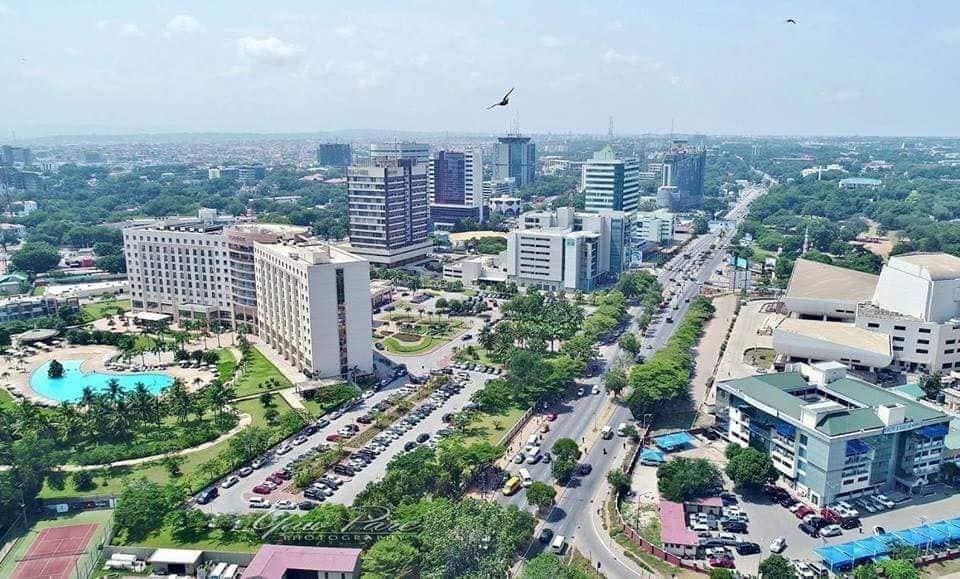
Falling yields shift banks toward lending
The shift in banks’ balance-sheet allocation is becoming more pronounced, as deposit-taking institutions redirect resources toward lending amid lower money-market yields and changes to reserve requirements.
Business and Markets
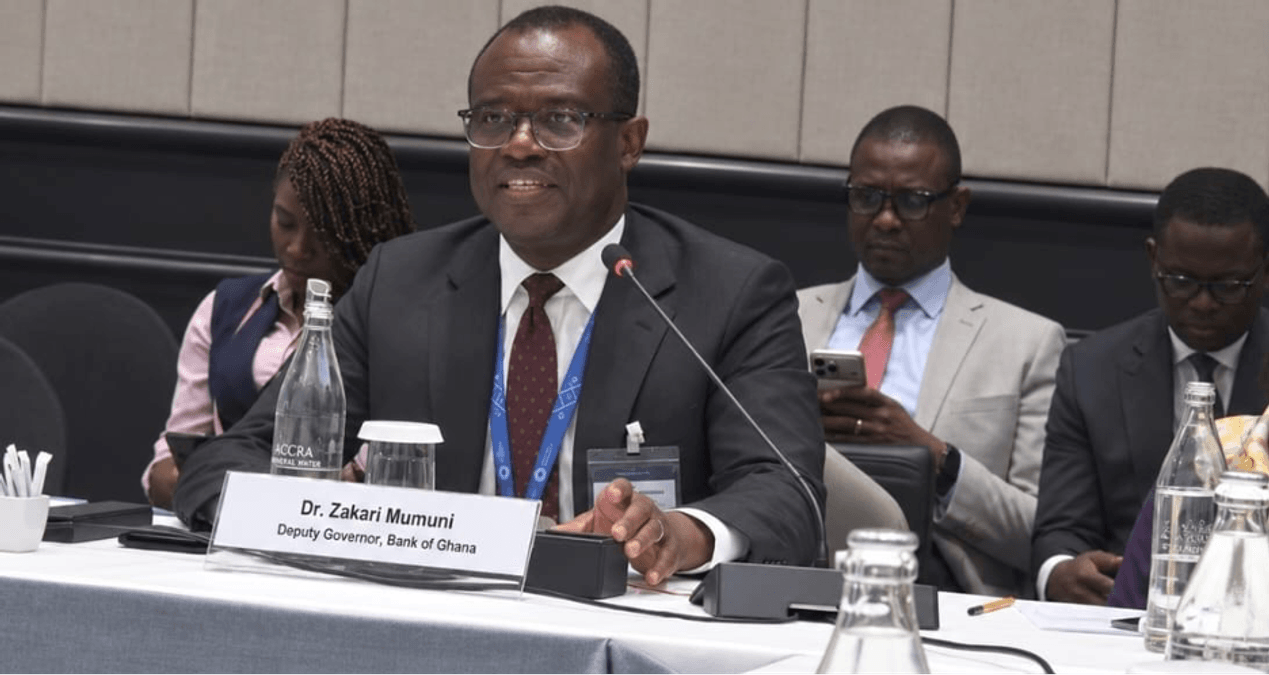
Investor confidence, bankable projects key to attracting Asian capital — BoG
The Bank of Ghana(BoG) has identified investor confidence, policy predictability and commercially viable projects as critical to attracting more Asian investment into West Africa, stressing the need for stronger risk management and institutional credibility.
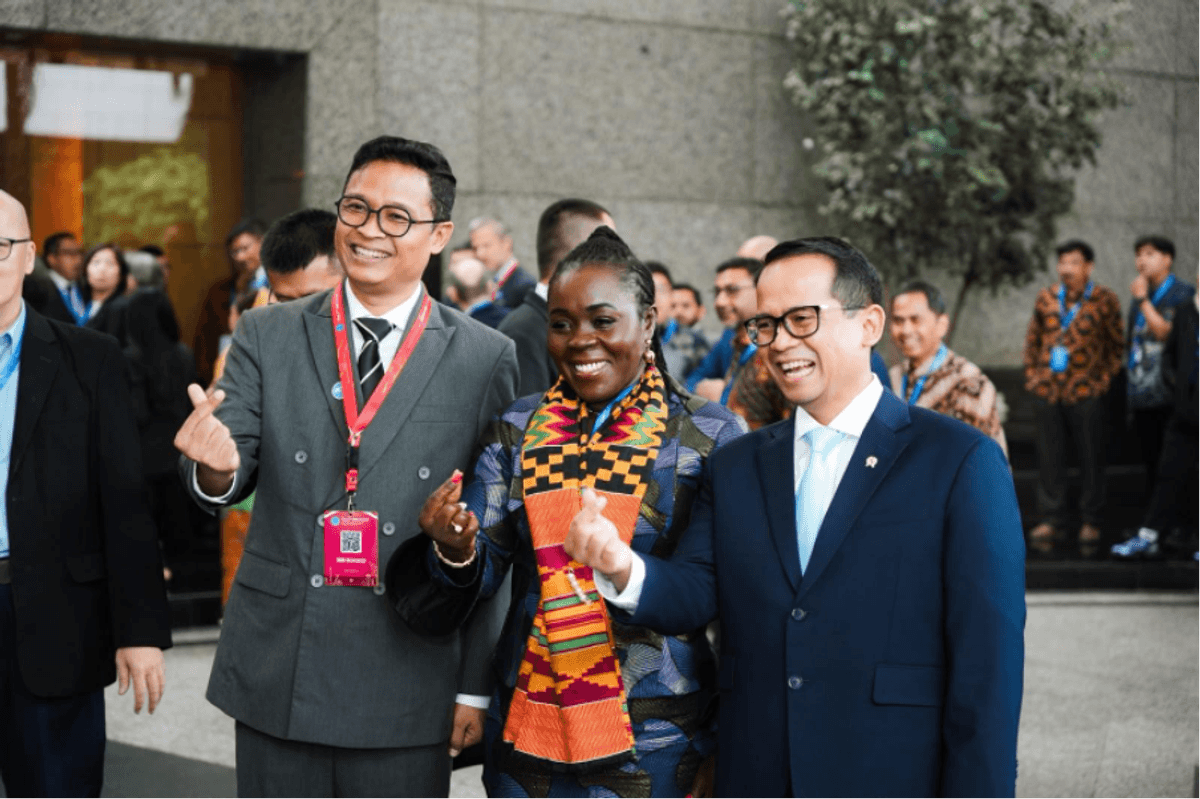
GRA showcases digital tax gains at 7th BRITACOF in Jakarta
The Ghana Revenue Authority (GRA) has showcased its digital tax administration reforms at the 7th Belt and Road Initiative Tax Administration Cooperation Forum (BRITACOF) in Jakarta, Indonesia,
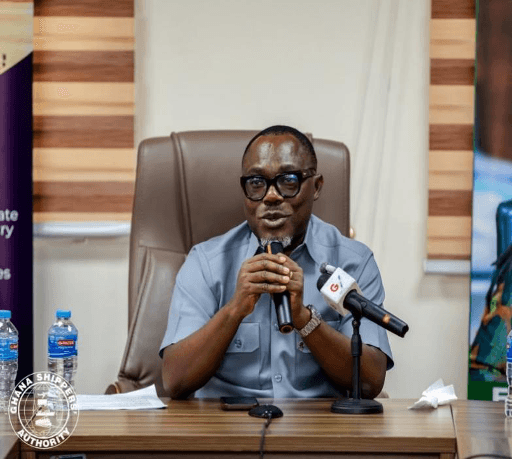
Accra to host signing of UN electronic cargo treaty this month
Ghana will host the signing of a United Nations convention establishing a common legal framework for electronic cargo documents, in a move aimed at reducing shipping delays, lowering trade costs and improving access to trade finance for businesses.
Trade
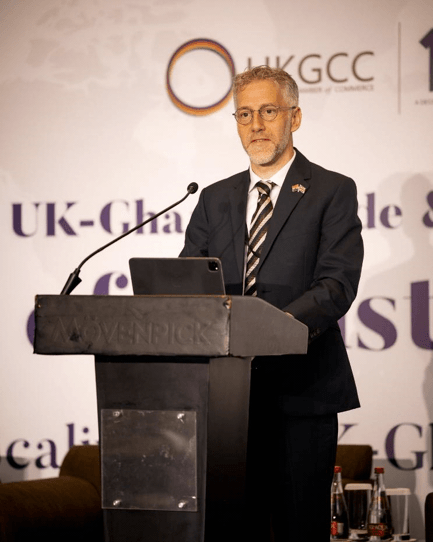
UK-Ghana trade exceeds £1.6bn
Trade between Ghana and the United Kingdom (UK) has exceeded £1.6billion, with both countries seeking to deepen commercial ties and unlock further opportunities in investment, technology, agriculture and industrial development.
Features
ICT Insight with Institute of ICT Professionals: The Sherrif Security Indicator v7.26
The Sherrif Security Indicator (TSSI) is an annual online survey conducted to commemorate Cyber Security Awareness Month. TSSI surveys the security concerns of people living in Ghana. This is the seventh edition.
Features
Follow Ghana’s steps”: The IMF’s verdict on a remarkable economic turnaround
Three years after entering an IMF programme amid one of its deepest economic crises in decades, Ghana is being cited by the Fund as an example for other countries facing similar difficulties. The turnaround is reflected in the numbers but sustaining it will require more than macroeconomic stabilisation. The government's New Economy agenda will translate these gains into productive investment, job creation and higher living standards.

Features
Service and Experience with J. N. Halm: Customer-to-Customer misbehaviour
I still remember the incident as if it was yesterday. I just happened to have opened my blinds to look out of the window when I saw the commotion in the car park.
Comment guidelines
Please keep comments respectful. Use plain English for our global readership and avoid using phrasing that could be misinterpreted as offensive. By commenting, you agree to abide by our community guidelines and these terms and conditions. We encourage you to report inappropriate comments.
No comments yet. Be the first to share your thoughts.