
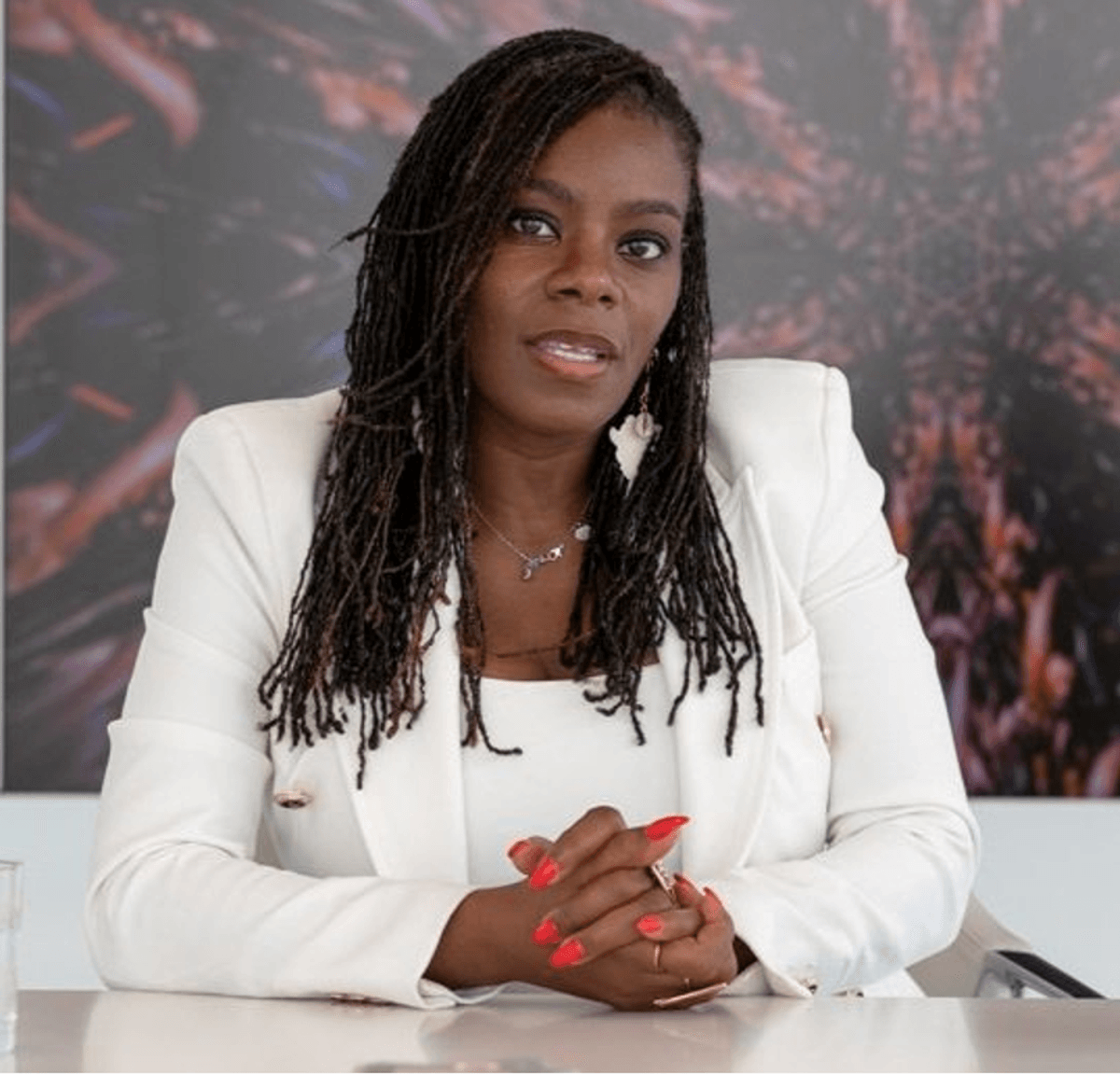
From AI governance to human leadership: Why Africa’s greatest AI investment is its people
...Governance creates direction. Infrastructure creates capability. But people create transformation
Paulette Watson MBE
This week, in Geneva, the United Nations is convening the first Global Dialogue on AI Governance, bringing all 193 Member States together for the first time to discuss how artificial intelligence should be governed, for whose benefit, and on what terms.

Published by Christabel Danso
3 views
Topics in this article
Paulette WatsonArtificial Intelligence
Related Coverage: Features

Features
It’s time to rethink how children travel in cars
It is quite a normal sight on Ghanaian roads: a toddler sitting in the front passenger seat, sometimes on an adult’s lap, sometimes standing between the seats and occasionally even appearing to “help” Mum or Dad drive. We have seen it so often that it barely attracts attention.

Features
Comms and branding with Samuel OWUSU-ADUOMI: The new world map presents an opportunity to redefine Africa’s place (part 1): A correction bigger than cartography
For generations, millions of children encountered the world through maps that gave them a misleading impression of its proportions. Africa appeared modest in size, while Europe, North America, Canada, Russia and Greenland seemed overwhelmingly large.
Features
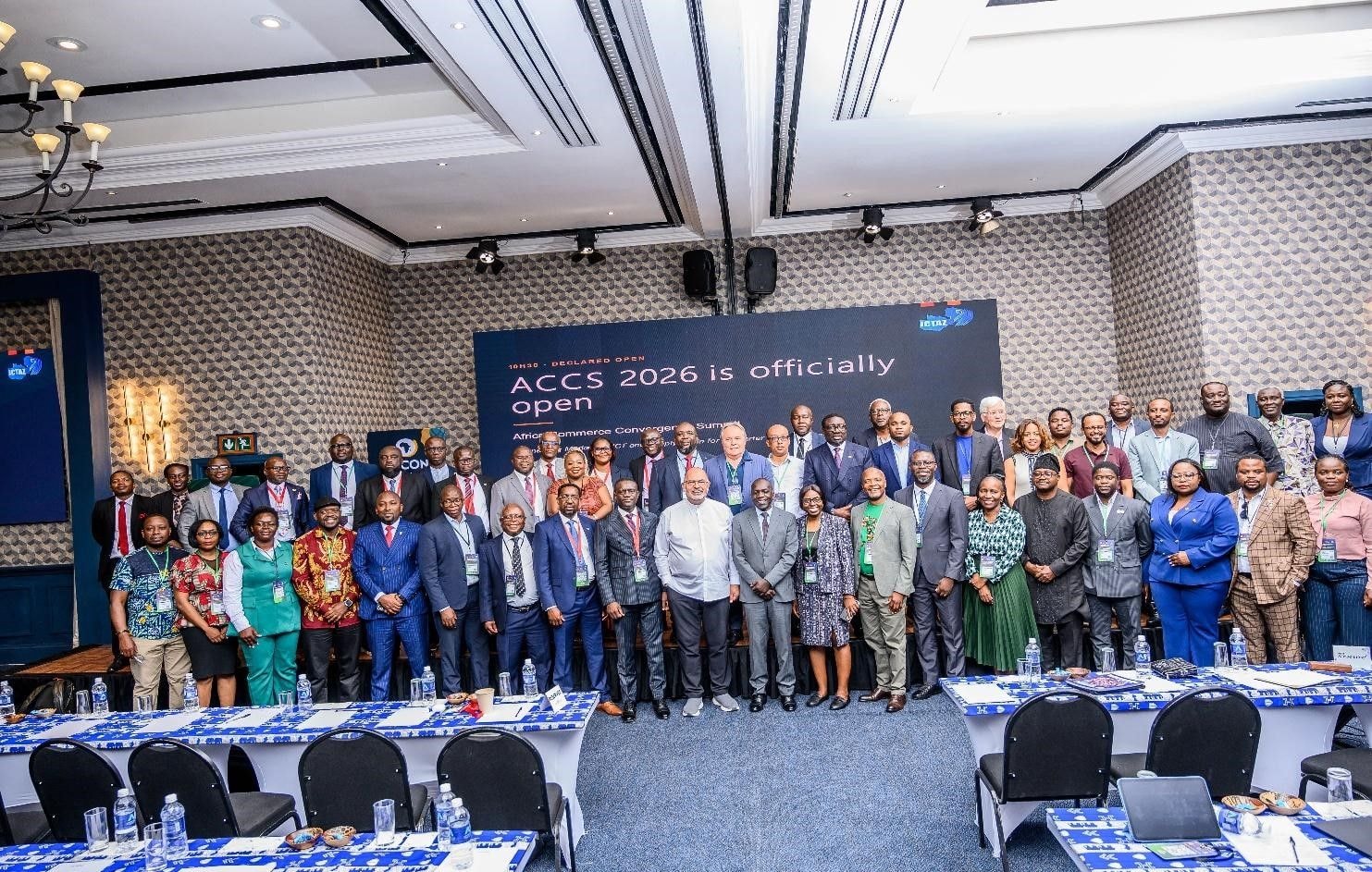
The convergence imperative: TICON Africa's policy case at Livingstone 2026
For the first time, three of Africa’s leading professional confederations – TICON Africa (Technology Information Confederation Africa), the African Marketing Confederation (AMC), and the African Supply Chain Confederation (ASCON) — met under one conference roof.

Features
The Citizen Experience Corner with Dr Julius Debrah and Professor Robert E. Hinson: Transformational leadership
Imagine a newly appointed Director-General of a public regulatory authority who inherits an institution known for slow processing, opaque decision-making and informal payments that have gradually become accepted as part of navigating the system.
News
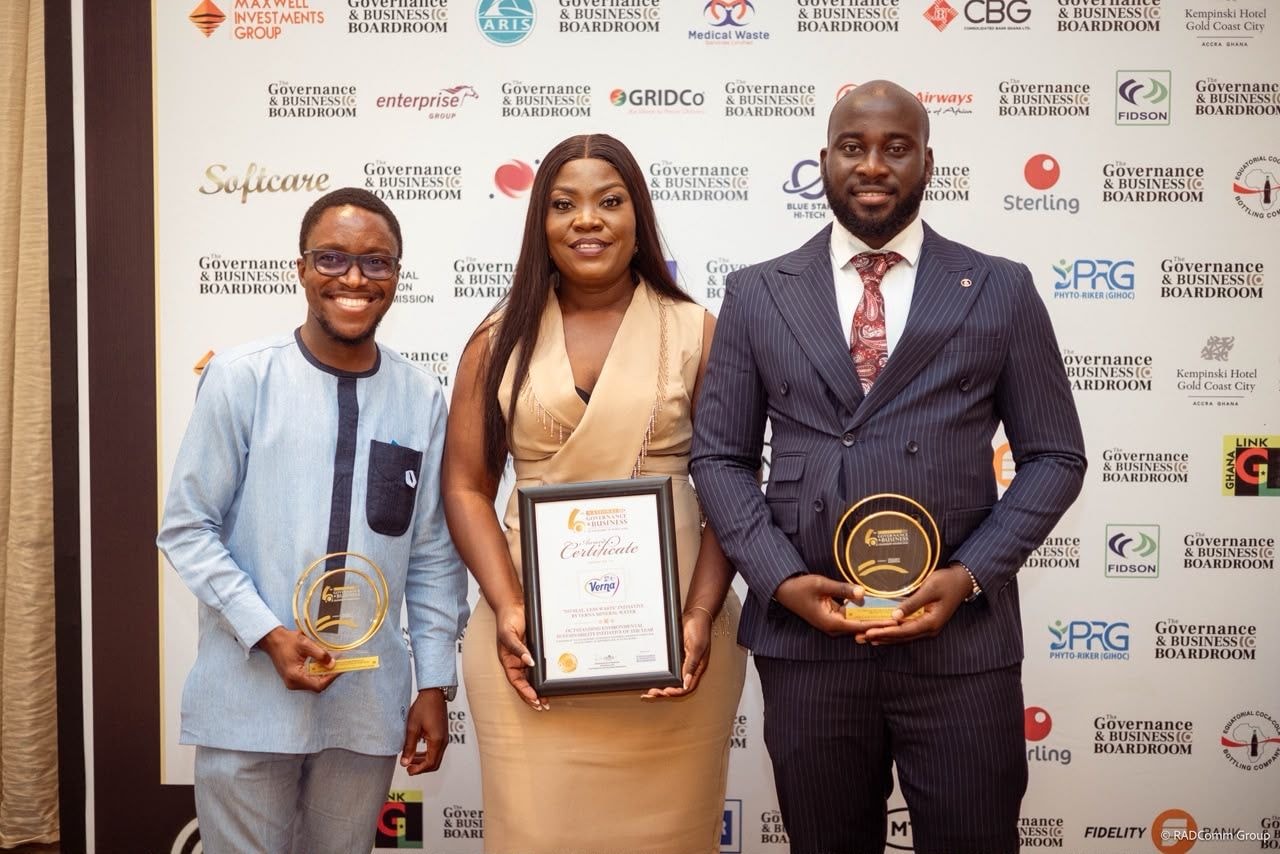
Twellium honoured as Ultimate Beverage Manufacturing Brand of the Decade
Twellium Industrial Company Limited has been named Ultimate Beverage Manufacturing Brand of the Decade at the sixth National Governance and Business Leadership Awards 2026, marking a milestone in more than a decade of manufacturing, product innovation and regional expansion.
News
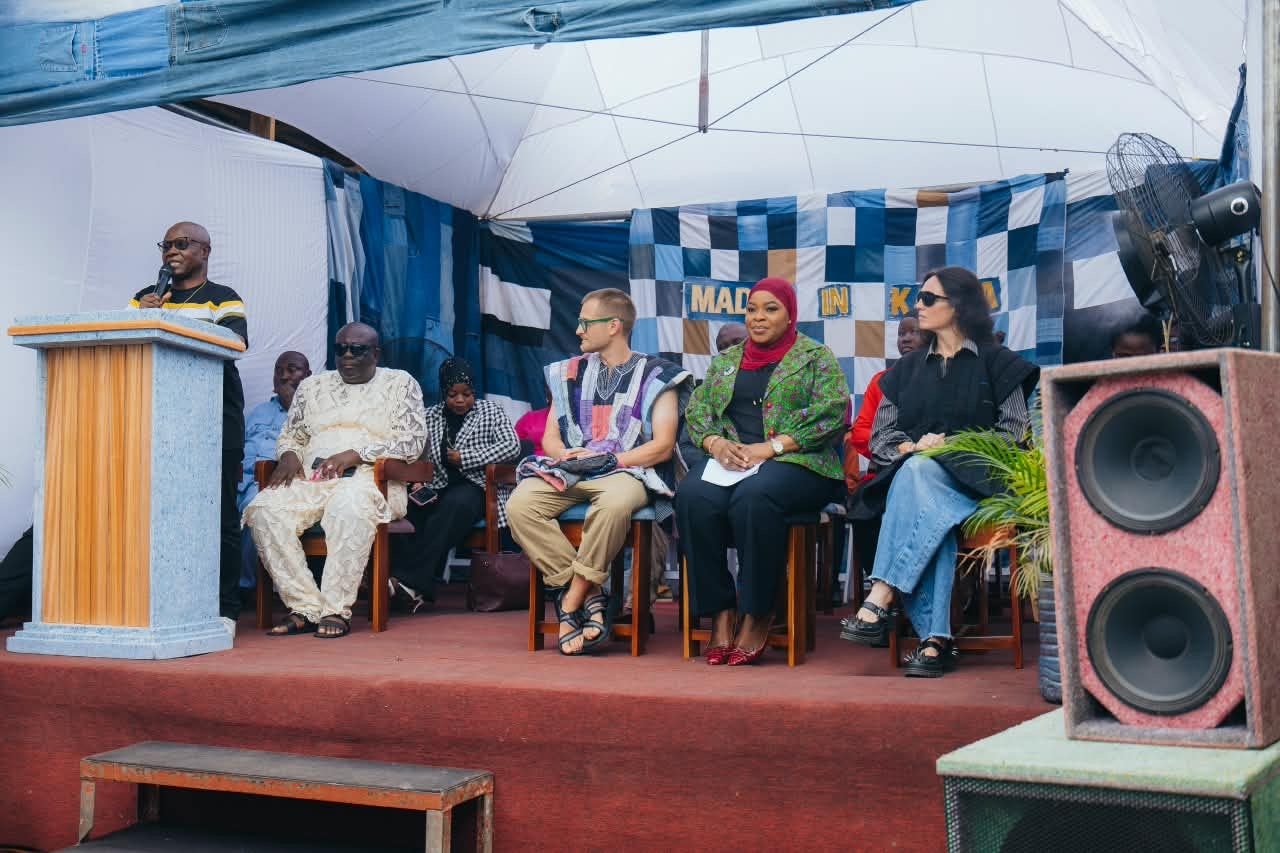
Global fashion coalition launches in the heart of Kantamanto Market
Kantamanto Obroniwawu Businesses Association (KOBA), the unified association of market section leaders, have welcomed representatives from four of the world’s largest fashion companies to Kantamanto Market for the launch of the Apparel Recovery Coalition (ARC).

News
SSNIT welcomes additional 5% stake in Société Générale
The Social Security and National Insurance Trust (SSNIT) has secured an additional 5 percent stake in Société Générale Ghana. This increases SSNIT’s shareholding from 19.36 percent to 24.36 percent.

News
GH¢3bn school feeding budget to boost local farm produce
Finance Minister Dr. Cassiel Ato Forson has announced plans to amend Ghana’s procurement laws to require public institutions to buy food from local farmers.
Comment guidelines
Please keep comments respectful. Use plain English for our global readership and avoid using phrasing that could be misinterpreted as offensive. By commenting, you agree to abide by our community guidelines and these terms and conditions. We encourage you to report inappropriate comments.
An insightful article. I particularly agree that governance and infrastructure alone will not deliver AI transformation. The real differentiator is people. From my experience working with organizations in Ghana, many have begun their AI journey with awareness or training, but relatively few have progressed to sustained adoption in everyday workflows. The next challenge is helping leaders create environments where employees can confidently apply AI responsibly to improve decision-making, productivity, and service delivery. AI literacy should therefore be viewed not as a one-time training event, but as an ongoing organizational capability. Governance provides direction, infrastructure provides the tools, but it is people—supported by effective leadership—who ultimately translate AI into measurable business value. A timely contribution to an important conversation for Africa.