
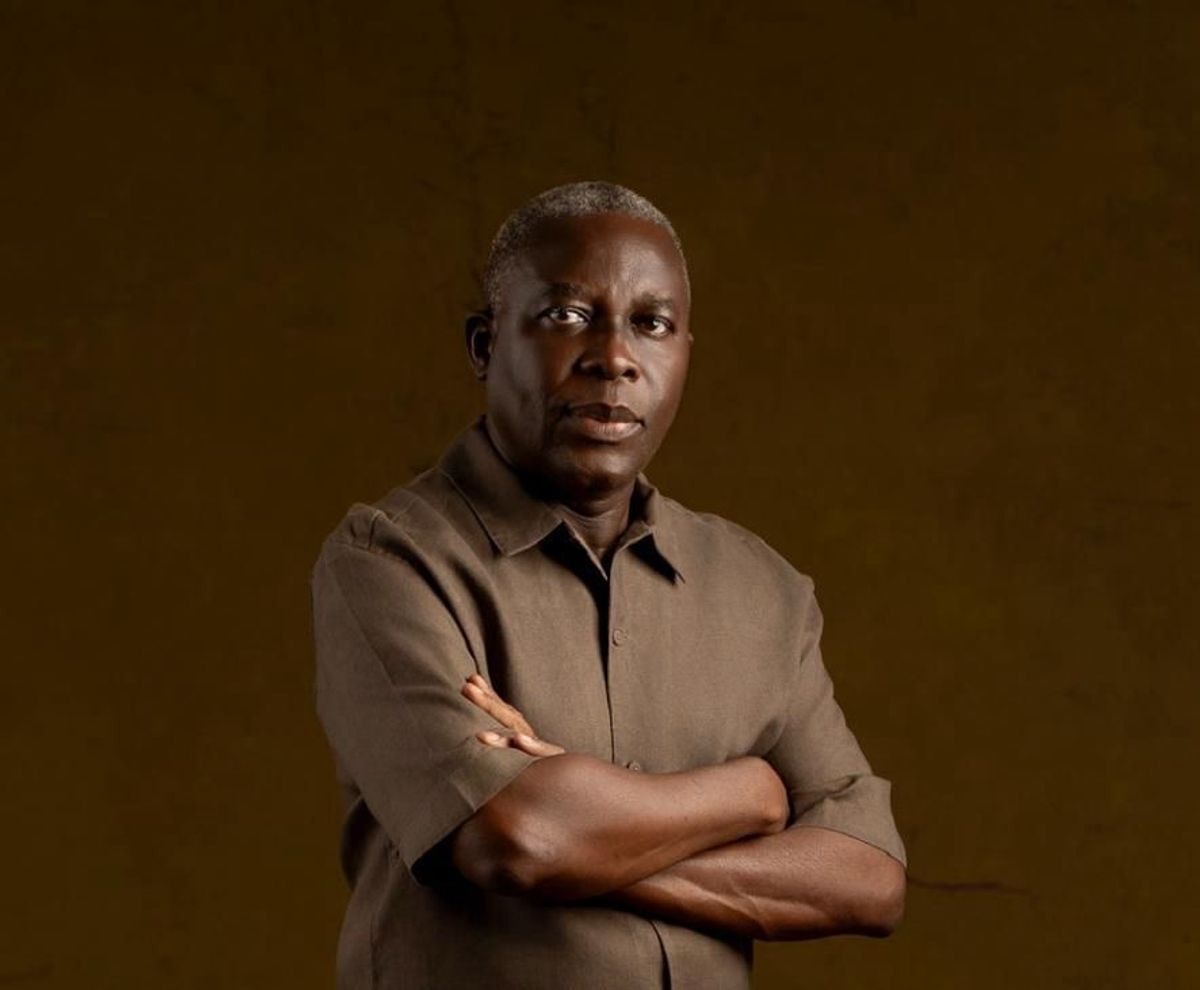
Beyond job loss: AI as Africa’s productivity co-pilot
Kwaku APPIAH-ADU(Prof) & Thomas Nana KWANTWI
As artificial intelligence begins to reshape the world of production, there remains a question of what role AI will play in the continent of Africa. While many discuss the impact that AI will have upon the workforce, it is apparent that the challenge for Africa is not that there is a lack of workers, but that the workers currently in the continent do not have the level of productivity required to achieve their potential. AI, if implemented correctly, has the power to be a productivity co-pilot for African workers, rather than a replacement for those same workers.

Published by Christabel Danso
39 views
Related Coverage: Features

Features
Risk Watch with Alberta QUARCOOPOME: Physical security essentials in traditional bank branches (3)
For the past two weeks, I have highlighted several issues in physical security for bank branches, which are sometimes overlooked. This is the final edition but before I continue, let us summarise the core objectives of physical security.

Features
GH¢50 by 1m people can raise GH¢50m for the film industry
If one million Ghanaians contributed GH¢50 each towards the development of the film industry, the collective contribution would amount to GH¢50 million.
Features
The 24-hour economy: Who will buy what we produce?
A factory can run through the night and still struggle to survive. The question is who buys its output, at what price, and how quickly they pay. As Ghana advances its 24-hour economy, that commercial test deserves a place beside every announcement of investment and employment.
Features
Beyond the Chatbot: Who governs the AI systems now running our organisations?
A chatbot answers. An AI agent can act. The distinction is not absolute, but it captures an important shift in artificial intelligence. We are moving beyond systems that generate information towards technologies capable of performing tasks, accessing applications and carrying out actions on behalf of organisations.

Features
Our lifestyles may be killing us but our spatial planning is too
A few weeks ago, at the launch of World Heart Day 2026 at Korle Bu Teaching Hospital in Accra, the Director of the National Cardiothoracic Centre (NCC), Dr Kow Entsua-Mensah, made some pronouncements about “the growing threat of cardiovascular diseases,” which set a lot of Ghanaians on edge.

Features
Starving fear: A shared responsibility for development
From personal resilience to household security, business continuity, responsible investment and public leadership. Fear is a universal human response to perceived danger, uncertainty or loss. It can protect people from genuine threats, but when it becomes persistent or disproportionate, it can also narrow choices, weaken relationships and delay decisions. No b
Features
The record Bar intake runs into a legal market built for fewer lawyers
For a few hours on Friday 9 October, the ICGC Christ Temple on Teshie Bush Road in Accra looked less like a church than a vast robing room. Horsehair wigs, black gowns and white bands moved down the aisles in their hundreds as families jostled for photographs and the General Legal Council (GLC) enrolled 1,568 new lawyers, the largest single cohort since Ghana began training its own lawyers.
Features
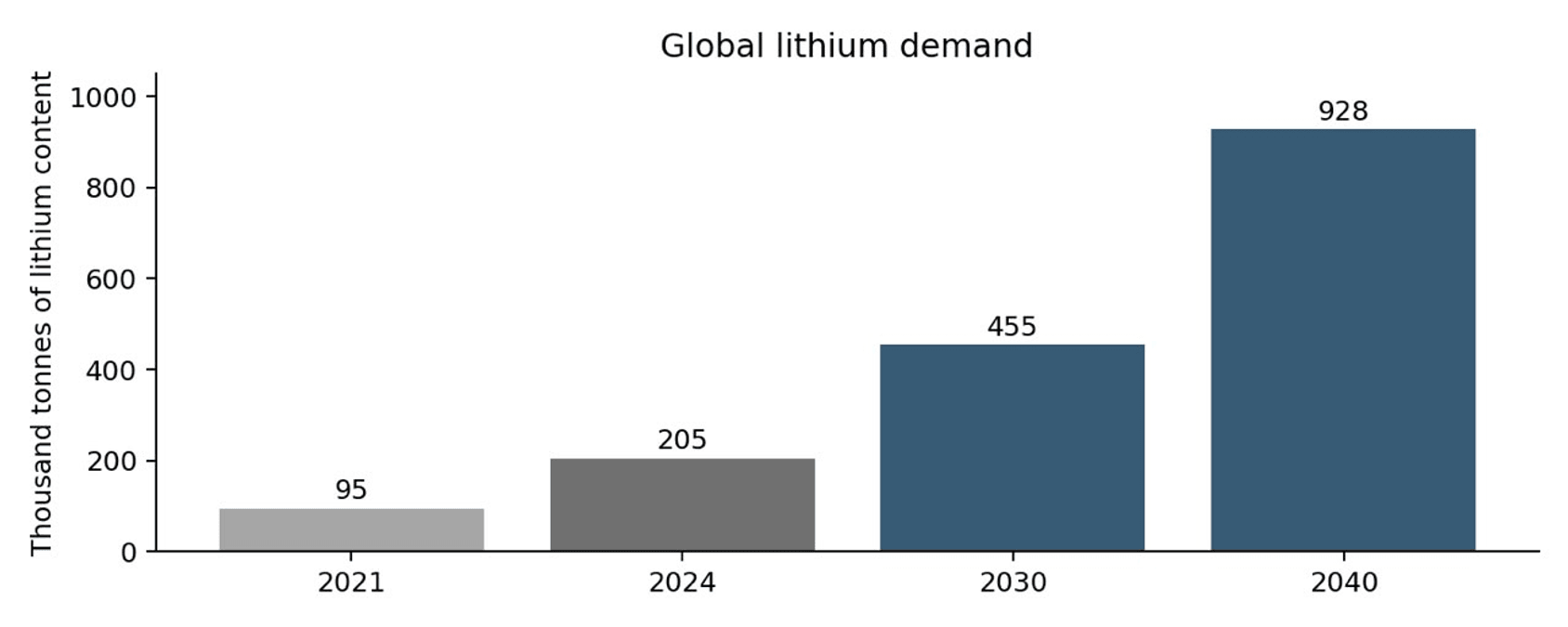
The lithium promise: A fading dream?
Ghana’s commercial discovery of lithium by Atlantic Lithium of Canada was met with great expectation by Ghanaians with constant commentary by experts, religious bodies and civil society organisations, all excited by the prospect of this discovery.
Comment guidelines
Please keep comments respectful. Use plain English for our global readership and avoid using phrasing that could be misinterpreted as offensive. By commenting, you agree to abide by our community guidelines and these terms and conditions. We encourage you to report inappropriate comments.
No comments yet. Be the first to share your thoughts.