

Editorial: Around 60% of the world’s uncultivated arable land in Africa…
Francis Bortey

0 views
Topics in this article
Africaworld’s uncultivated arable land
Related Coverage: Economy
Economy
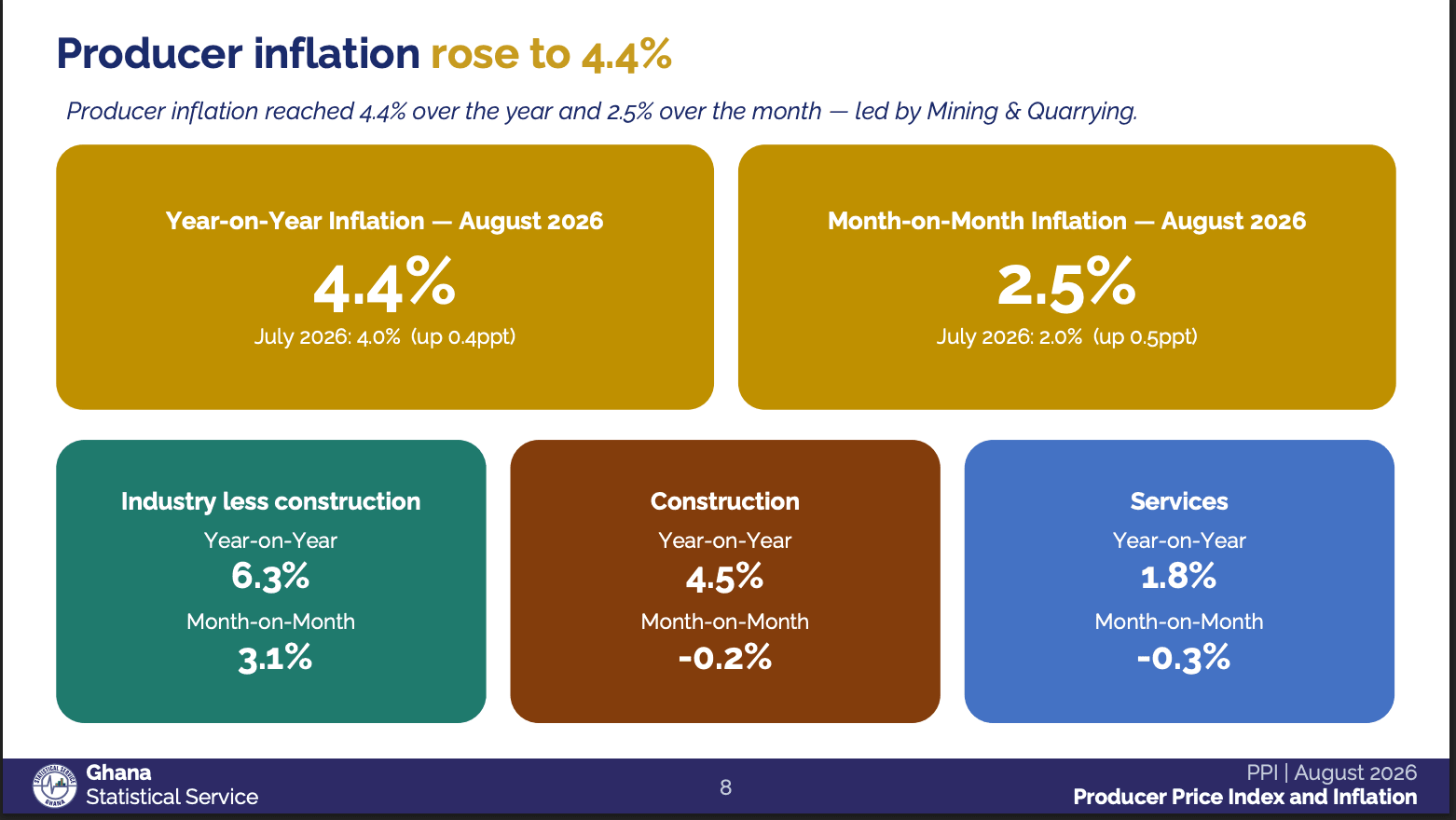
Mining leads producer inflation rise to 4.4% in August
Producer price inflation rose to 4.4 percent in August 2026, from 4 percent in July, with the Mining and Quarrying sector recording the largest contribution to the overall rate.
Education
Double-track linked to lower SHS quality — IEA poll
A majority of Ghanaians believe the Double-Track System has contributed to a decline in the quality of Senior High School (SHS) education

News
TOR MD urges engineering curricula to address industrial problems
Edmond Kombat, Managing Director of Tema Oil Refinery (TOR), has called for engineering education and technical skills development to be placed at the centre of national development policy,
News
Indo-Ghana invests in liquid oxygen technology to transform medical gas supply
Indo-Ghana Industries Limited is positioning Ghana to become a regional hub for liquid oxygen production and exports, as the company rolls out locally manufactured medical oxygen
News
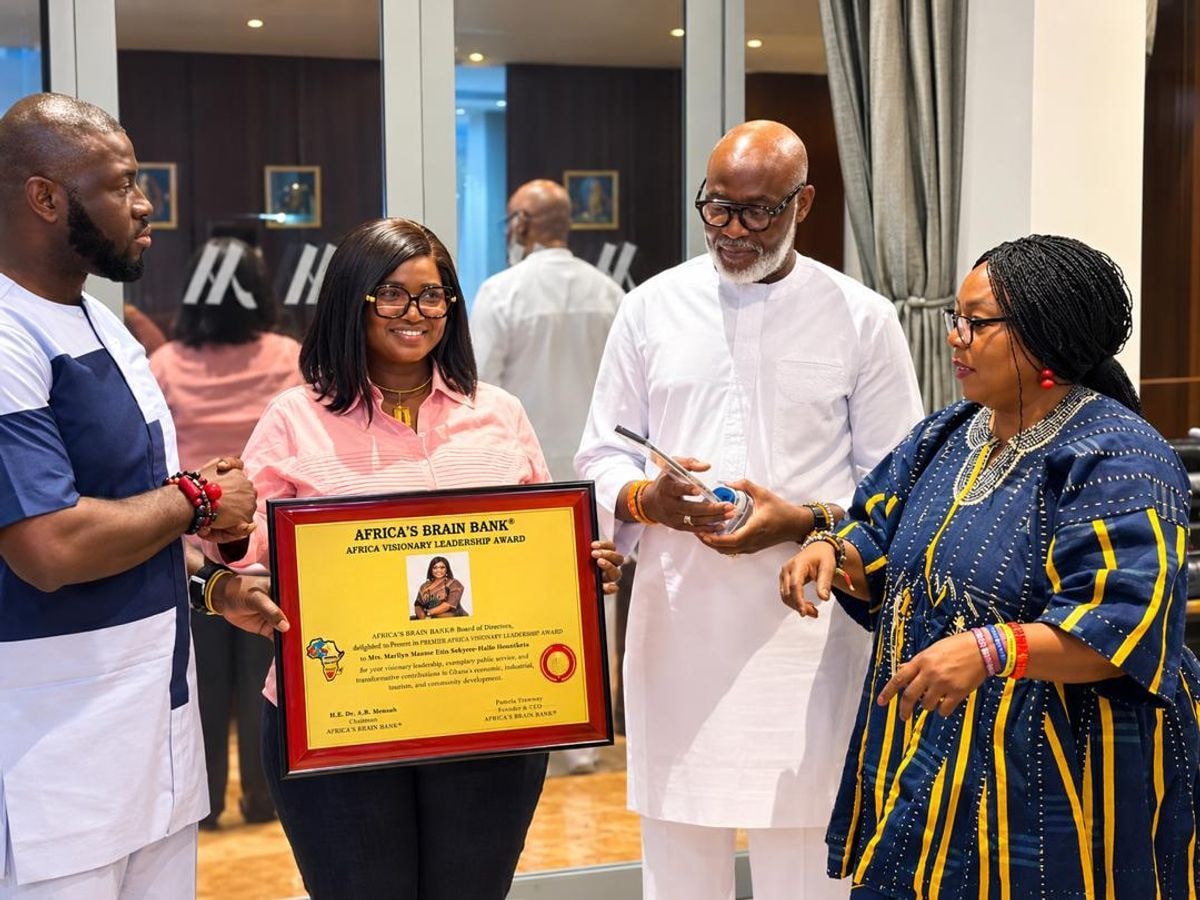
GTA CEO honoured
Maame Efua Houadjeto (Mrs.), Chief Executive Officer of the Ghana Tourism Authority (GTA) has been honored at the 7th Africa Brain Bank Annual Summit and Awards.
Africa
Africa moves to strengthen parliamentary checks before gov’ts borrow
African countries are being urged to strengthen parliamentary scrutiny of government borrowing before new debt is contracted, as the continent seeks to shift from managing debt crises to preventing unsustainable borrowing in the first place.
News
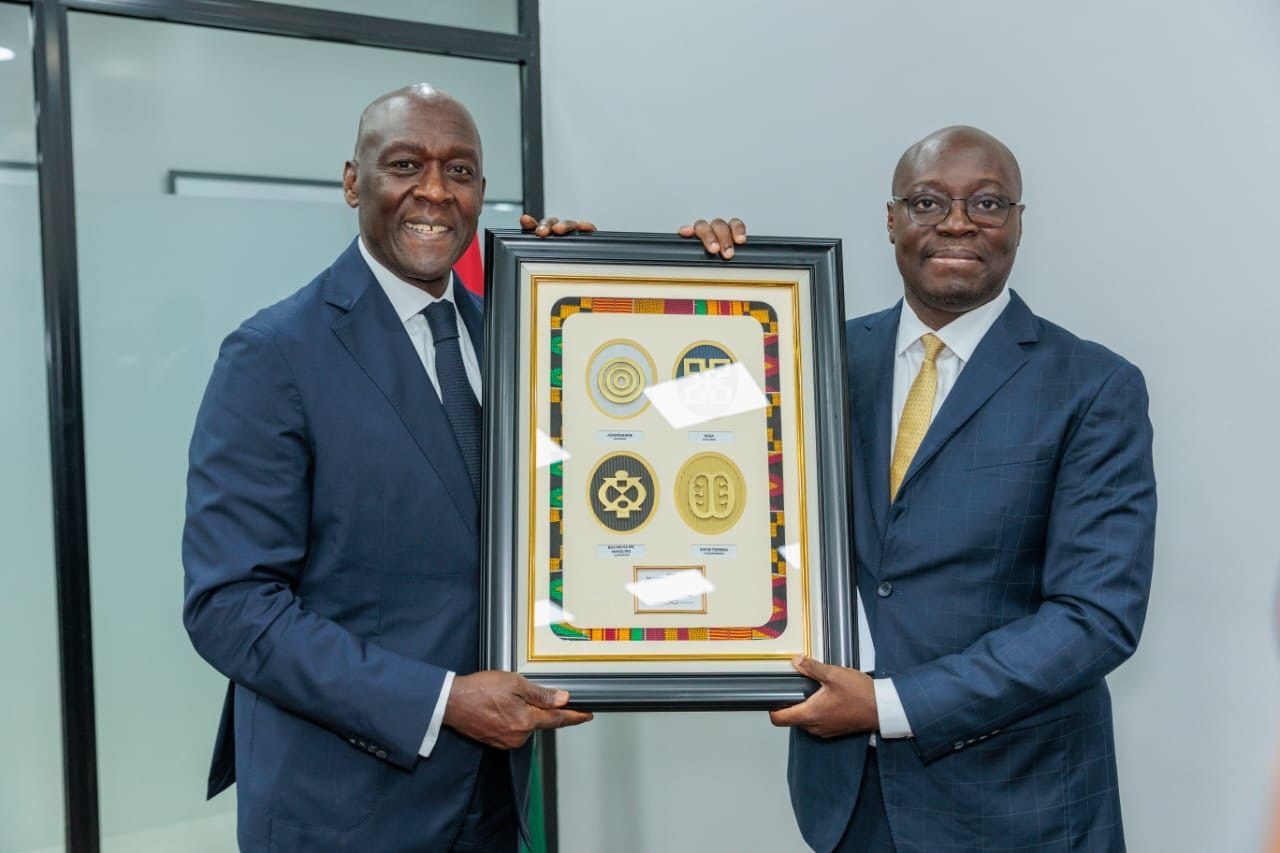
IFC backs poultry, pharma indigenisation drive
The International Finance Corporation (IFC) is backing a broader push to indigenise production in the country, with poultry and pharmaceuticals emerging as priority sectors following talks between the Minister of Finance, Dr. Cassiel Ato Forson, and IFC Managing Director Makhtar Diop.
News
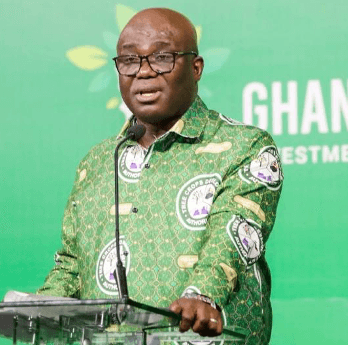
Africa must strengthen partnerships to capture more cashew value – Agric Minister
The Minister for Food and Agriculture, Eric Opoku, has called for stronger collaboration among governments, farmers, processors, investors, researchers, financial institutions and development partners to enable Africa to capture more value from its cashew industry.
Comment guidelines
Please keep comments respectful. Use plain English for our global readership and avoid using phrasing that could be misinterpreted as offensive. By commenting, you agree to abide by our community guidelines and these terms and conditions. We encourage you to report inappropriate comments.
No comments yet. Be the first to share your thoughts.