
Why Accra’s current flood strategy may not be futureproof for the city of 2035
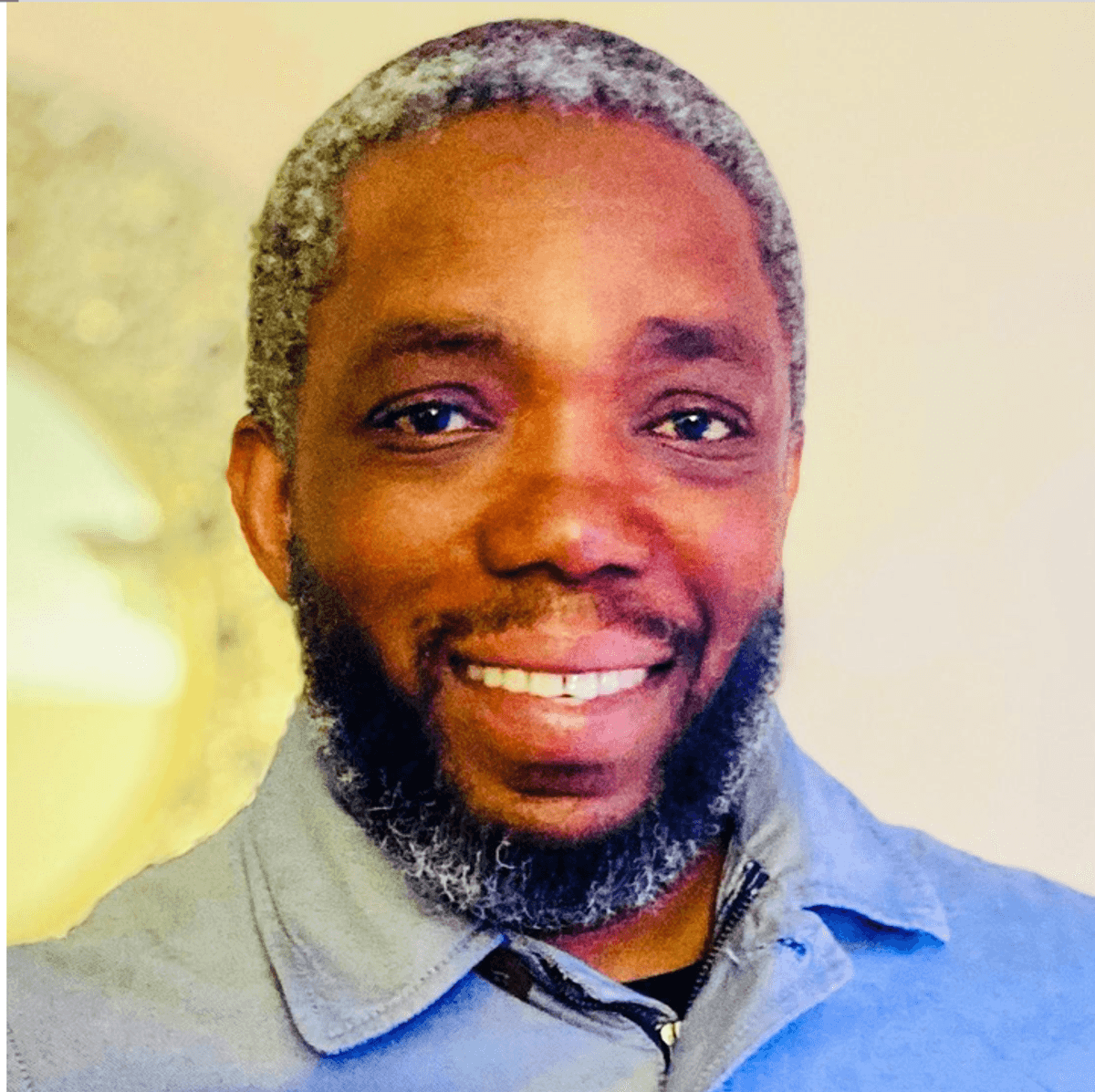
Ed Andrews
Accra’s flood challenge is no longer simply a problem of blocked drains or inadequate culverts.

Published by Christabel Danso
2 views
Topics in this article
Ed Andrewsflood
Related Coverage: Features

Features
Generative AI tools usage, data privacy concerns among youth-led organisations
According to the 2026 IBM Guide to AI by Amanda Downie et al., Generative AI (Gen AI) is Artificial Intelligence (AI) that can generate content such as text, images, video, audio or software code in response to a user’s prompt or request.

Features
Comms and branding with Samuel OWUSU-ADUOMI: The new world map presents an opportunity to redefine Africa’s place in the world (part 2)
The recent international movement toward maps that show Africa at its true relative size has corrected an important visual distortion.

Features
PR CORNER with Prosper Delali AYAYEE: The PR professional as a researcher — Turning information into intelligence
Public relations has often been described as the art and science of managing communication and relationships between an organisation and its publics. However, behind every successful communication strategy is something that we sometimes underestimate; research.

Features
ESG insights with Chamber of ESG & Sustainability with Frank Adu Anim: The SDGs and the law
Sustainable development law rests on important principles that have developed through international environmental law, treaties, judicial decisions and national legal systems.

Features
How to spot Misinformation and Disinformation
In today’s digital age, misinformation (unintentionally false information) and disinformation (deliberately deceptive content) are widespread, especially during elections and significant public events.

Features
Motoring with Bob Roco ROMEO: I used to think EVs in the country were for "The rich people trying to form"
Then I entered the space. That was about a year and a half ago. What started as a consulting engagement quickly became a conviction.

News
AratheJay storms Cape Coast on October 11 With Nimo Live Experience
Ghanaian spiritual Highlife and Afro-fusion sensation AratheJay is set to light up XCape Beach Resort in Cape Coast on Sunday, October 11.
News
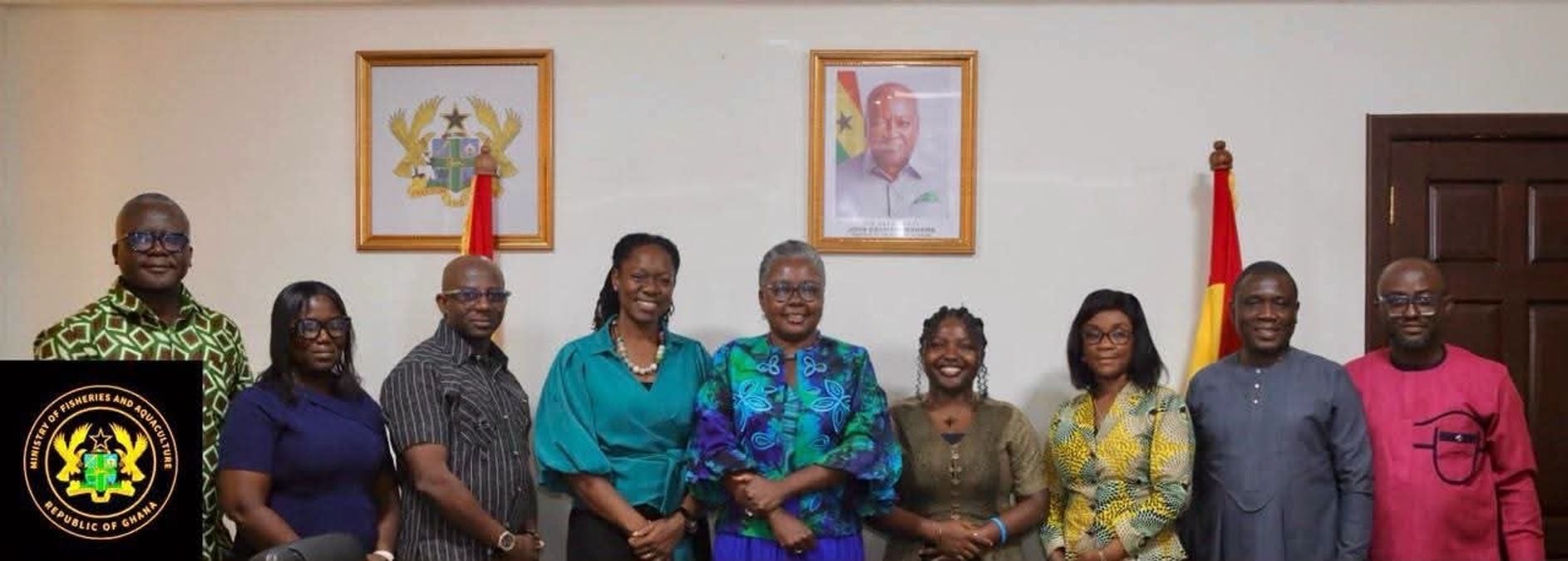
Fisheries ministry backs push to empower women in fisheries
The Ministry of Fisheries and Aquaculture has expressed its readiness to explore stronger collaboration with the Women in Aquatic Science and Management Network (WASMaN) to enhance women’s participation, visibility and contribution to Ghana’s fisheries sector.
Comment guidelines
Please keep comments respectful. Use plain English for our global readership and avoid using phrasing that could be misinterpreted as offensive. By commenting, you agree to abide by our community guidelines and these terms and conditions. We encourage you to report inappropriate comments.
No comments yet. Be the first to share your thoughts.