

The hidden algorithmic bias in the business intelligence revolution
…what corporate executives must do to fix it
Across glass-walled boardrooms in Airport City, Osu, and Ridge, corporate Ghana is celebrating a data revolution. Executives no longer rely solely on intuition to approve loans, shortlist job applicants, price health insurance policies, allocate agricultural inputs, or route telecom infrastructure.
Published by Francis Buetey
25 views
Related Coverage: Features

Features
Beyond white-collar jobs:
Does a prestigious job automatically translate into a fulfilling career? Does national development depend only on the number of graduates employed in corporate offices, or also on how effectively people apply their skills across different sectors?

Features
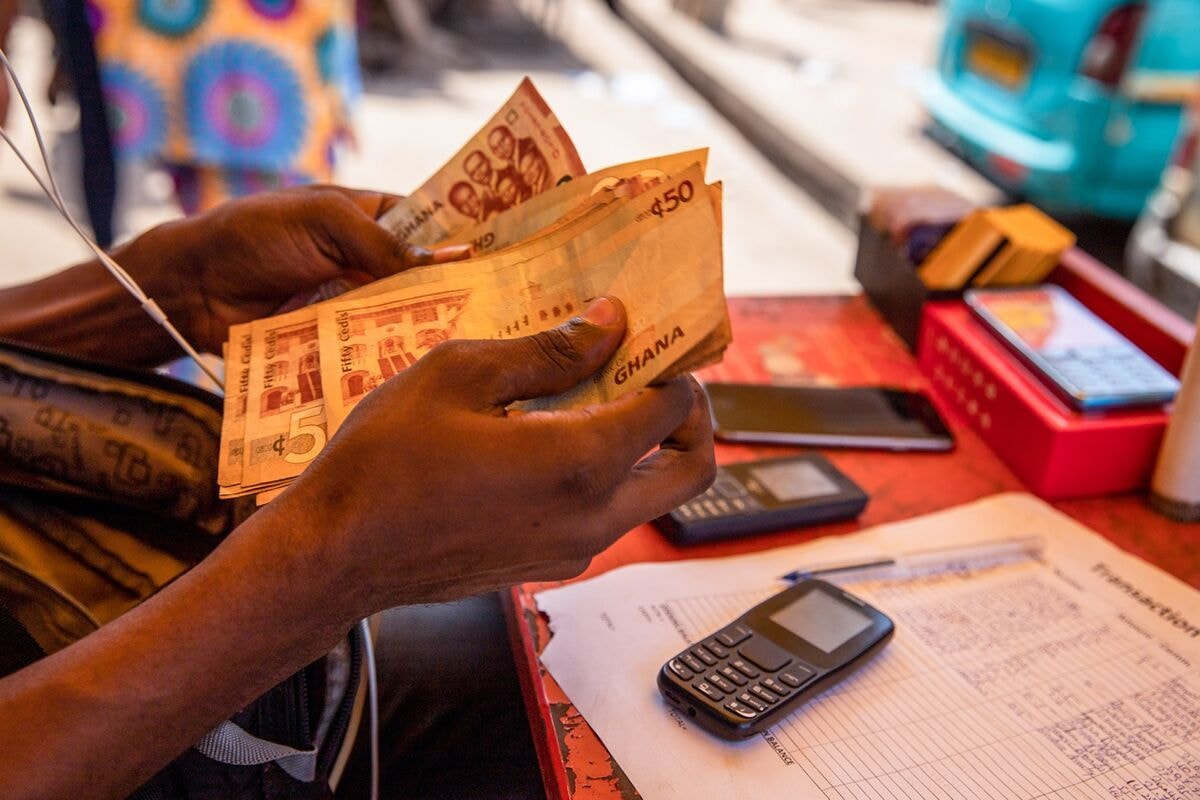
Money has always taken sides
The word cedi comes from the Akan word for the cowry shell, which was money on this coast long before the British brought their coins. A cowry carries no face.

Features
Leadership: Don’t deflate the people who carry the weight
An organization may have a powerful engine, a visionary driver, and an ambitious destination. But without strong tyres, it is going nowhere.

Features
Reading the 2027 Budget from Doha: How the "New Economy" can draw Qatari capital and deepen Ghana-Gulf ties
Ghana's 2027 Budget reads differently from the ones that came before it.

Features
Before you invest: 15 important questions every investor must ask, and why the right questions determine the right investment
Investors are increasingly exploring opportunities in the financial markets. From government treasury bills and fixed deposits to listed equities, corporate bonds, mutual funds and other investment products, the range of available investment options continues to expand.
Features
Your Spare Cash Has a Rate Too.
If the official cost of borrowing has been adjusted, what has happened to the return available on money that is simply waiting? The answer had already changed before 18 November.

Features
Africa is building its digital backbone. Who will own the AI economy it supports?
On 12 November, Ghana’s Finance Minister, Dr Cassiel Ato Forson, presented the 2027 Budget to Parliament. Under its technology economy pillar, the government proposes investing US$300 million during 2027 and 2028 to establish a National Artificial Intelligence Centre and upgrade rural 2G mobile networks to reliable 4G.
Features
AI’s debt-fuelled boom: Who carries the risk when the returns fall short?
Last week, I asked who will own the AI economy that Africa’s digital backbone supports. This week, the question becomes more challenging: who finances that infrastructure, and who carries the risk if expected returns fail to materialise?
Comment guidelines
Please keep comments respectful. Use plain English for our global readership and avoid using phrasing that could be misinterpreted as offensive. By commenting, you agree to abide by our community guidelines and these terms and conditions. We encourage you to report inappropriate comments.
No comments yet. Be the first to share your thoughts.