

How Absa is connecting affluent banking with lifestyle experiences
As customer expectations evolve, premium banking in Ghana is increasingly extending beyond traditional financial services. While access to credit, investment solutions and everyday banking services remains important, many affluent customers are also seeking convenience, access and experiences that complement their lifestyles.

Published by Francis Buetey
1 view
Related Coverage: Features
Features
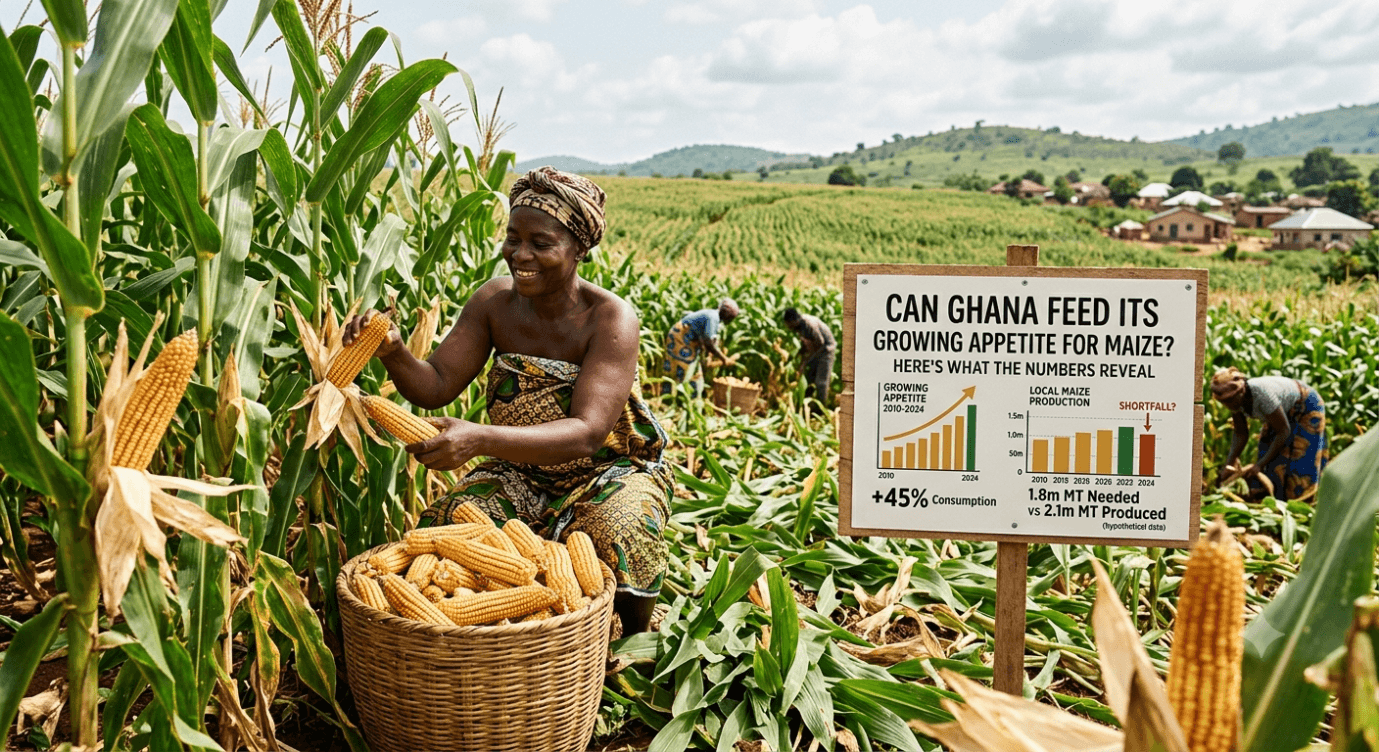
Can we feed our growing appetite for maize?
Think about your meals today. Chances are, maize was on your plate at least once. From a warm bowl of koko and koose for breakfast to banku or kenkey for lunch, or even roasted corn enjoyed on the go, maize is woven into the daily lives of millions of Ghanaians.


Features
A Women's Bank is a good idea. Can it escape the MASLOC trap?
I salute the motive behind the government's Women's Development Bank.

Features
We need to talk: who will feed us tomorrow?
Let me begin with a question that may make some people uncomfortable: when the best students in Ghana finish school, where do we expect them to go?

Features
Beyond training ministers: Rethinking leadership education for public service
Ghana may not suffer from a shortage of qualified public officials. It may, however, need to reconsider what it means to prepare those officials to lead.

Features
You’re Incredible yet Invisible: How to become a recognised voice in your industry
Over my journey of being a sought after speaker and consultant I have met many incredible professionals and entrepreneurs whose knowledge, experience, and capabilities are far greater than the level of recognition they currently enjoy.

Features
No office, yet taxable?
The rapid expansion of cross-border remote work has fundamentally altered how multinational enterprises establish an economic footprint in developing markets.
Features
Current macroeconomic stability is not novel
Evidence from official data published by the Ghana Statistical Service, Bank of Ghana, IMF and World Bank shows that every change of government in the Fourth Republic has been followed by some degree of macroeconomic stabilisation, with 6 key indicators thus price, the currency, economic growth, public debt, the fiscal balance and foreign exchange reserves generally improving under the incoming administration.
Comment guidelines
Please keep comments respectful. Use plain English for our global readership and avoid using phrasing that could be misinterpreted as offensive. By commenting, you agree to abide by our community guidelines and these terms and conditions. We encourage you to report inappropriate comments.
No comments yet. Be the first to share your thoughts.