
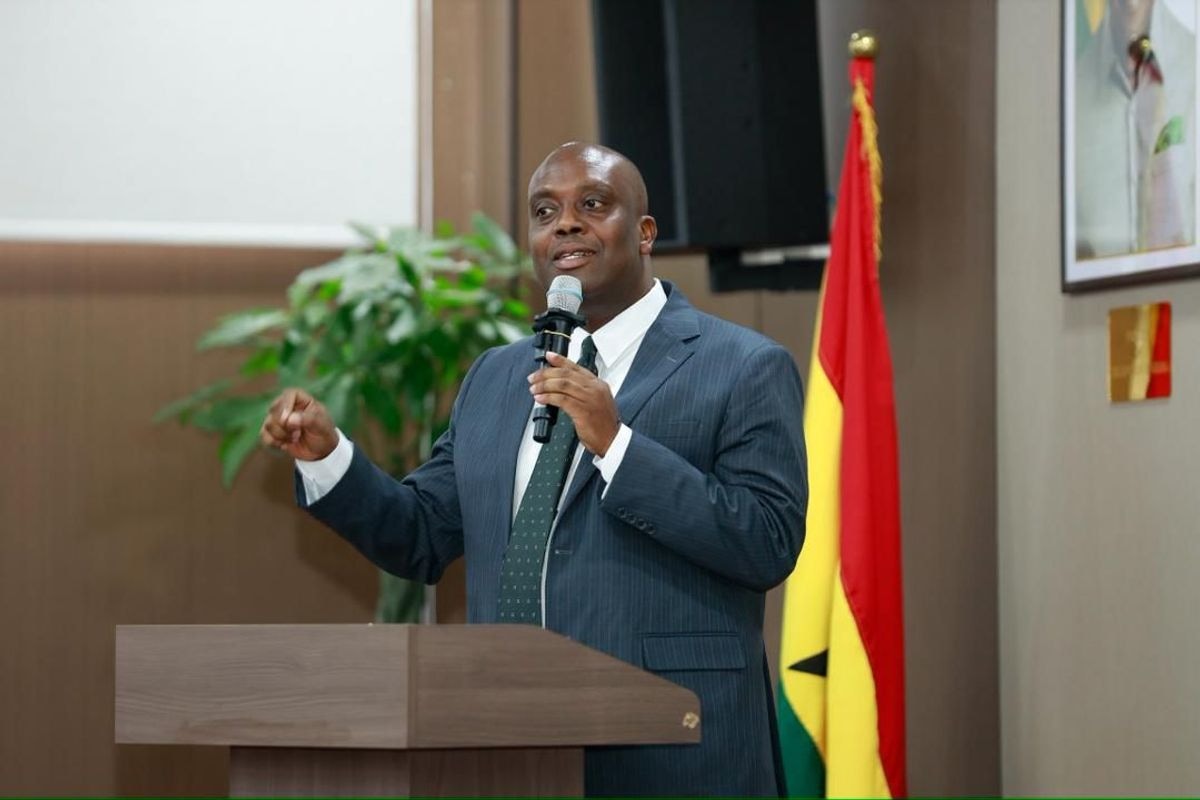
Financial irregularities fall 62.9% from GH¢20.72bn in 2024 to GH¢7.69bn in 2025 — Nyarko Ampem
Financial irregularities across five audited sectors declined by 62.9 per cent, from approximately GH¢20.72 billion in 2024 to GH¢7.69 billion in 2025, Deputy Minister for Finance Thomas Nyarko Ampem has announced.

Published by Francis Buetey
1 view
Related Coverage: News

News
Tema commuters demand enforcement of 8% transport fare adjustment
Residents and commuters in the Tema Metropolis are urging the Minister of Transport to intervene over alleged fare increases by commercial drivers that exceed the recently approved 8 percent adjustment.
News
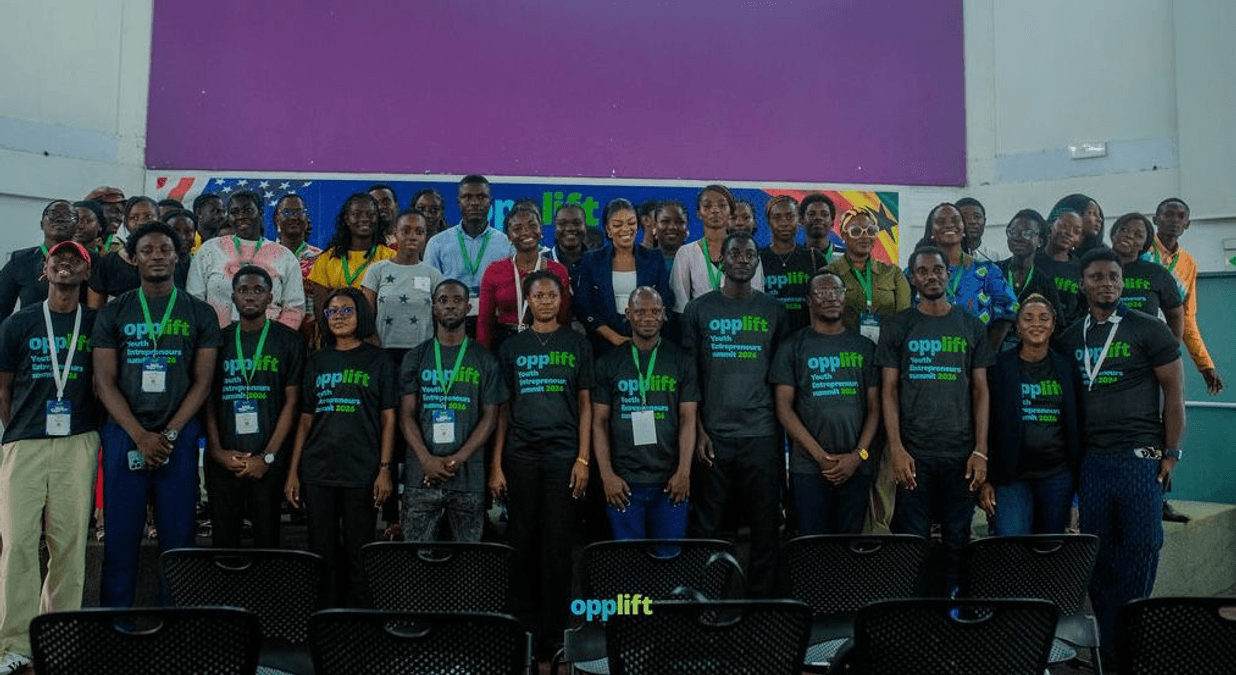
Opplift Summit 2026 equips young entrepreneurs
The maiden Opplift Youth Entrepreneurs Summit 2026, an initiative of Opplift, took place on Friday, October 2, 2026 at the British Council Auditorium in Accra.
News
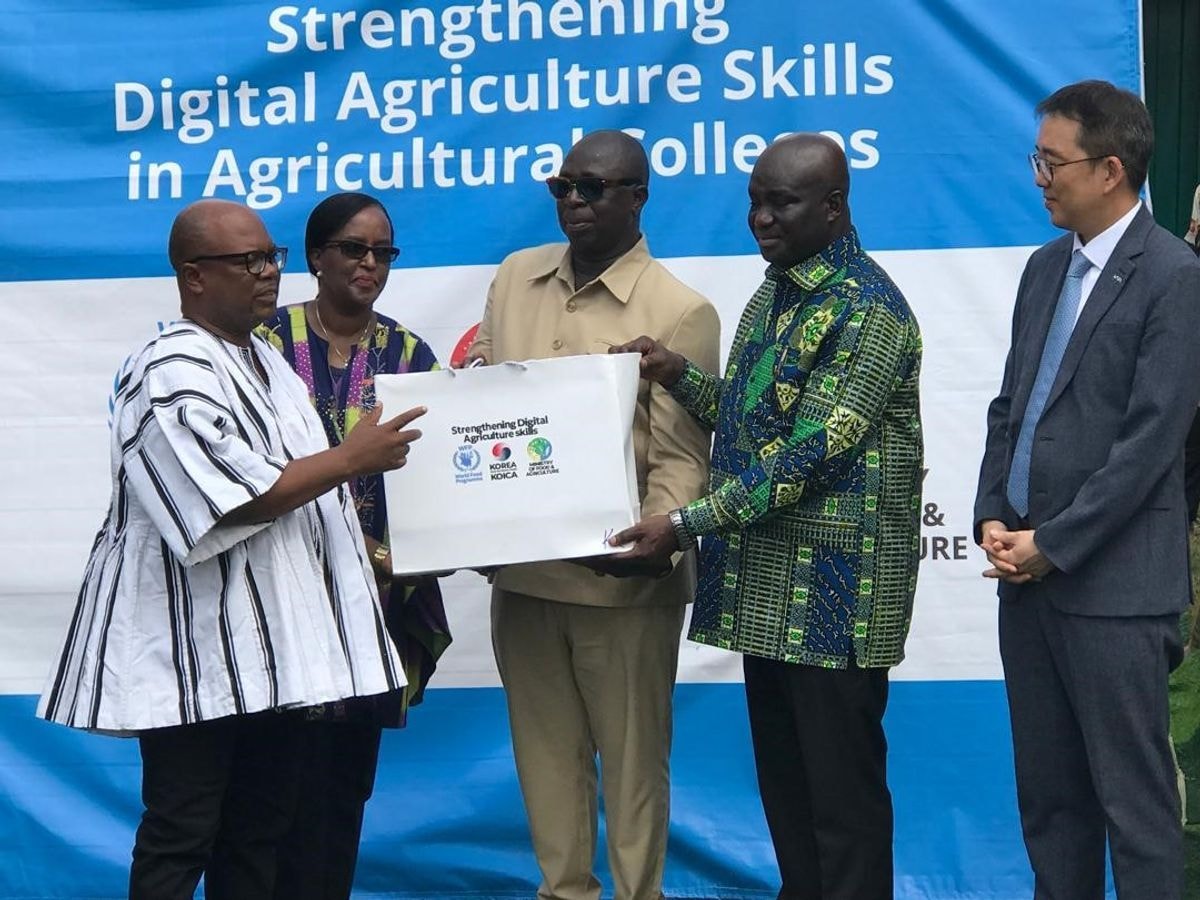
WFP, KOICA inject US$500,000 into digital farming training
A US$500,000 investment by the United Nations World Food Programme (WFP) and the Korea International Cooperation Agency (KOICA) will equip five agricultural colleges with digital farming technologies.
News
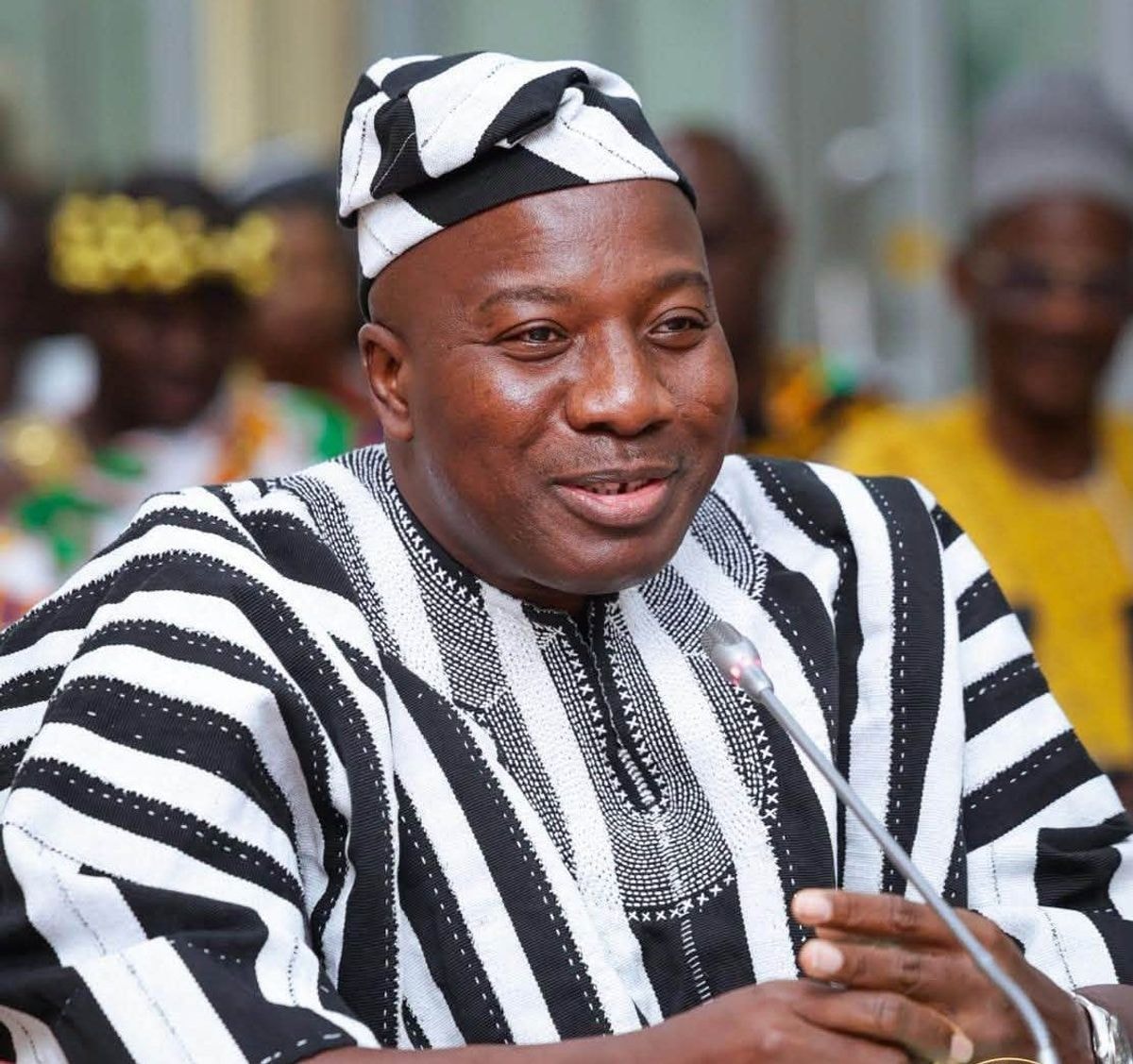
Banks urged to adopt streets under urban beautification plan
Local Government Minister Mahama Ayariga has urged banks and other businesses to adopt stretches of roads and fund their maintenance as part of a proposed private-sector-led programme to improve urban environments across Ghana.
News
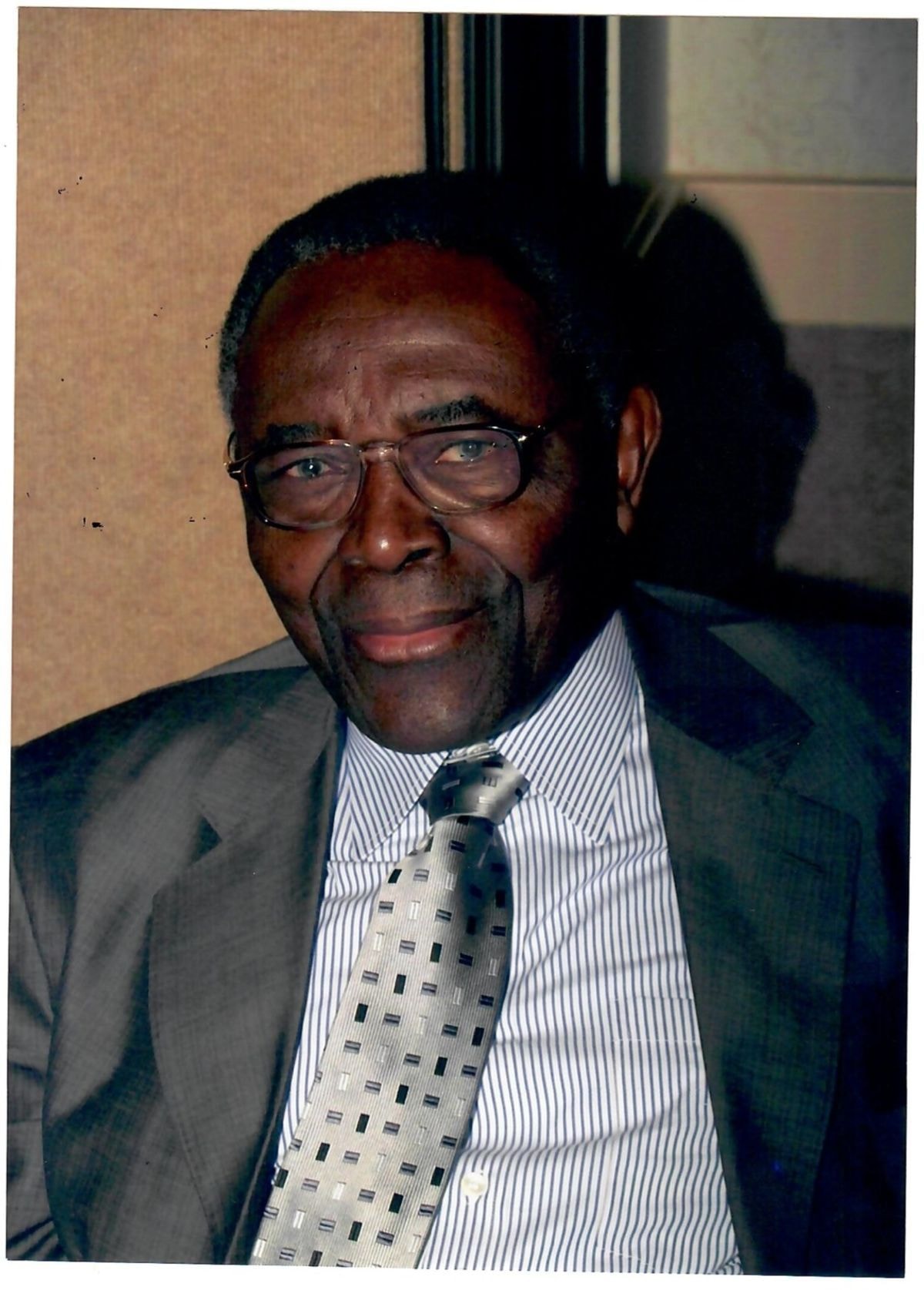
OFFICIAL ANNOUNCEMENT: The Passing of Mr Samuel Arthur Odoi-Sykes
It is with profound sorrow that the family announces the passing of Mr. Samuel Arthur Odoi-Sykes, distinguished lawyer, parliamentarian, diplomat and statesman, on Monday, 5th October 2026.
News
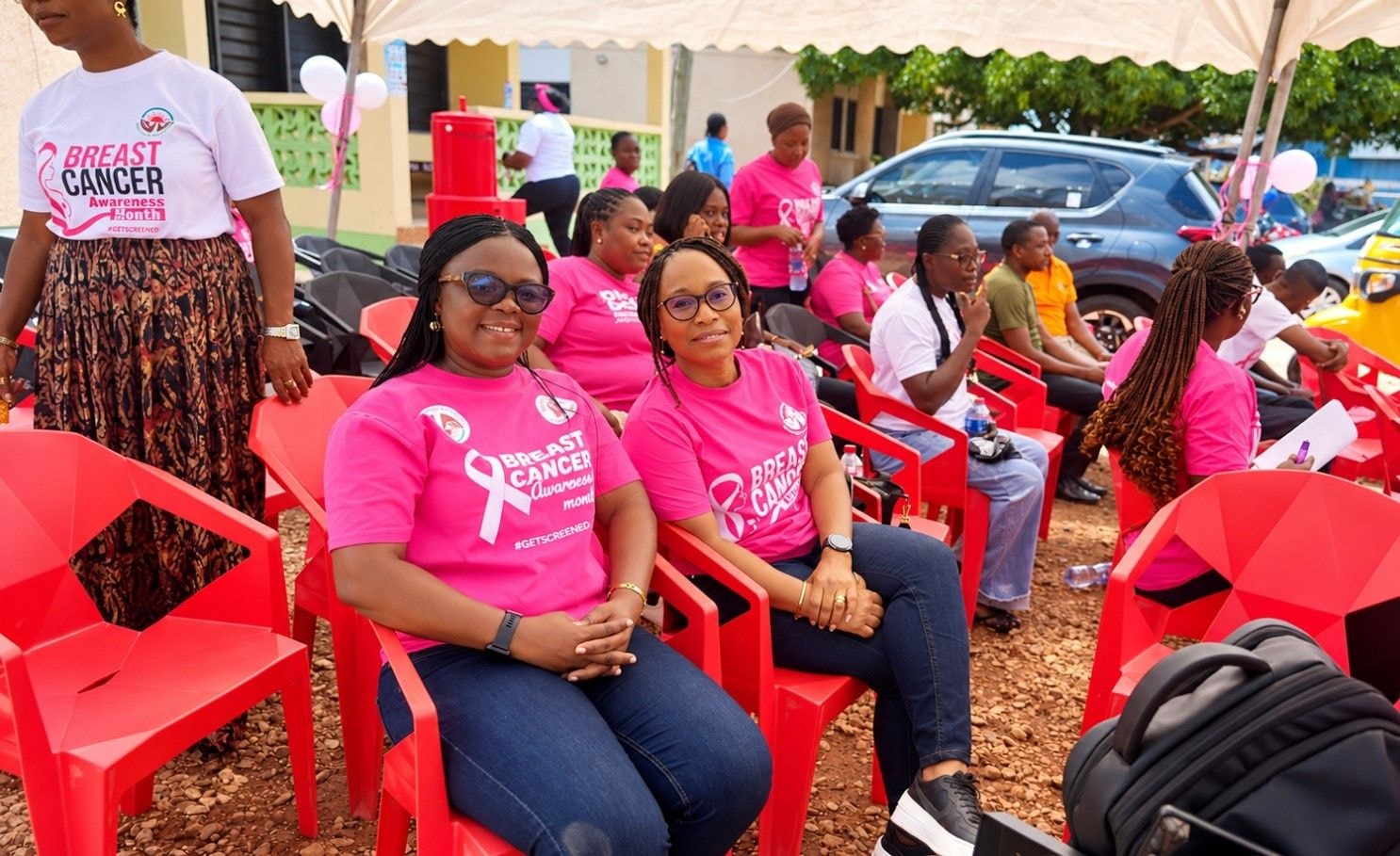
ASA Savings and Loans, Nima Polyclinic offer free breast cancer screening
Countries around the world mark Breast Cancer Awareness Month every October to highlight the disease's impact and to encourage people of both sexes, particularly women, to go for regular check-ups.
News
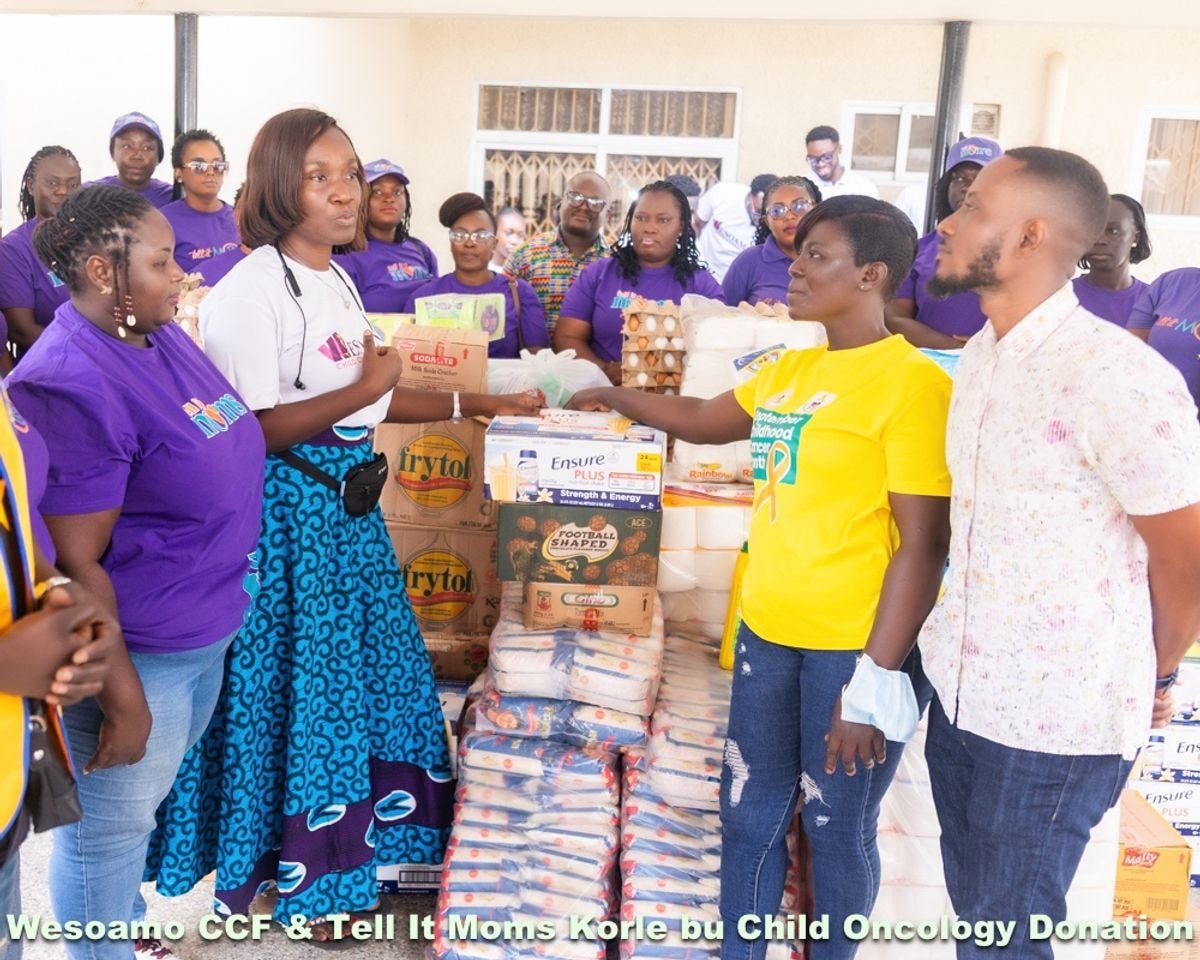
Wesoamo Foundation donates GH¢35,000 to support children battling cancer
The Wesoamo Child Cancer Foundation, in partnership with Tell It Moms Zone 7, has donated items valued at GH¢35,000 to support 70 families with children undergoing cancer treatment at the Korle-Bu Child Oncology Unit.

News
Western NPP members push for OKT Afrifa national appointment
Some members of the New Patriotic Party (NPP) in the Western Region have appealed to the party’s national leadership to consider former Western Regional Secretary, Okatakyie Amankwaa Afrifa (OKT), for a national appointment.
Comment guidelines
Please keep comments respectful. Use plain English for our global readership and avoid using phrasing that could be misinterpreted as offensive. By commenting, you agree to abide by our community guidelines and these terms and conditions. We encourage you to report inappropriate comments.
No comments yet. Be the first to share your thoughts.