

Empowering Women in Football: The Inspiring Journey of Aicha Amoako Denteh

Published by Benson Arthur
0 views
Related Coverage: Features

Features
Beyond technical expertise: Why Africa’s project developers must understand the deal
Africa’s infrastructure and climate-investment opportunity is substantial; across renewable energy, agriculture, mobility, waste management, water,
Features
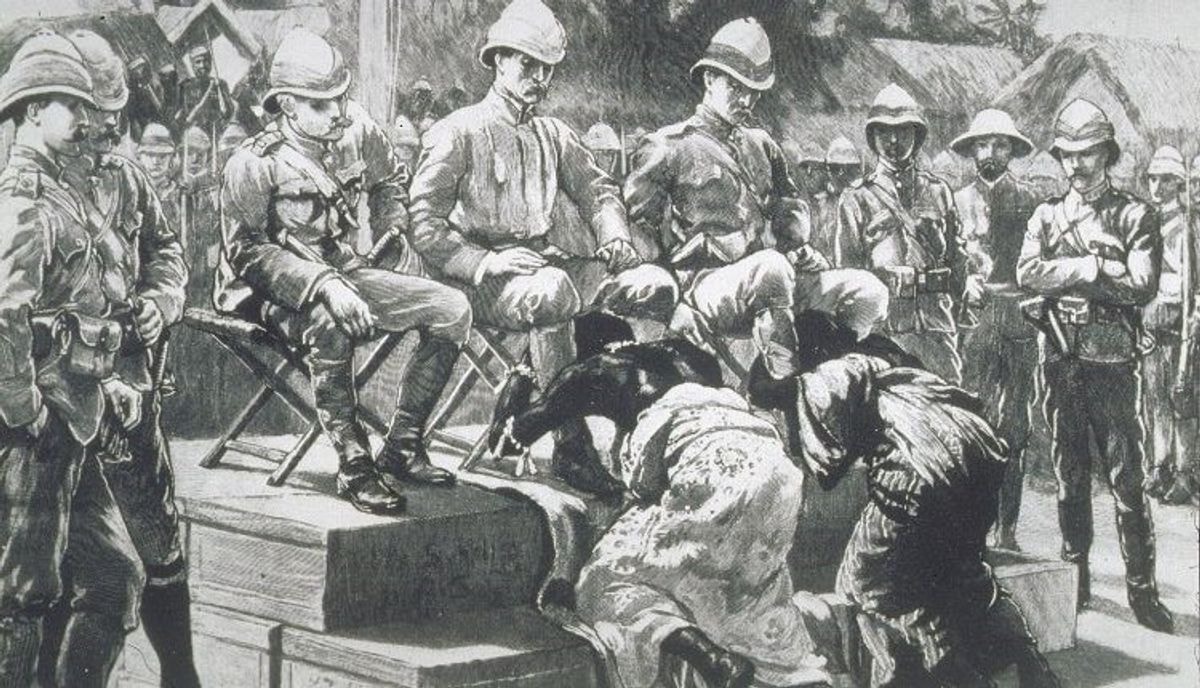
Are we being colonised again?
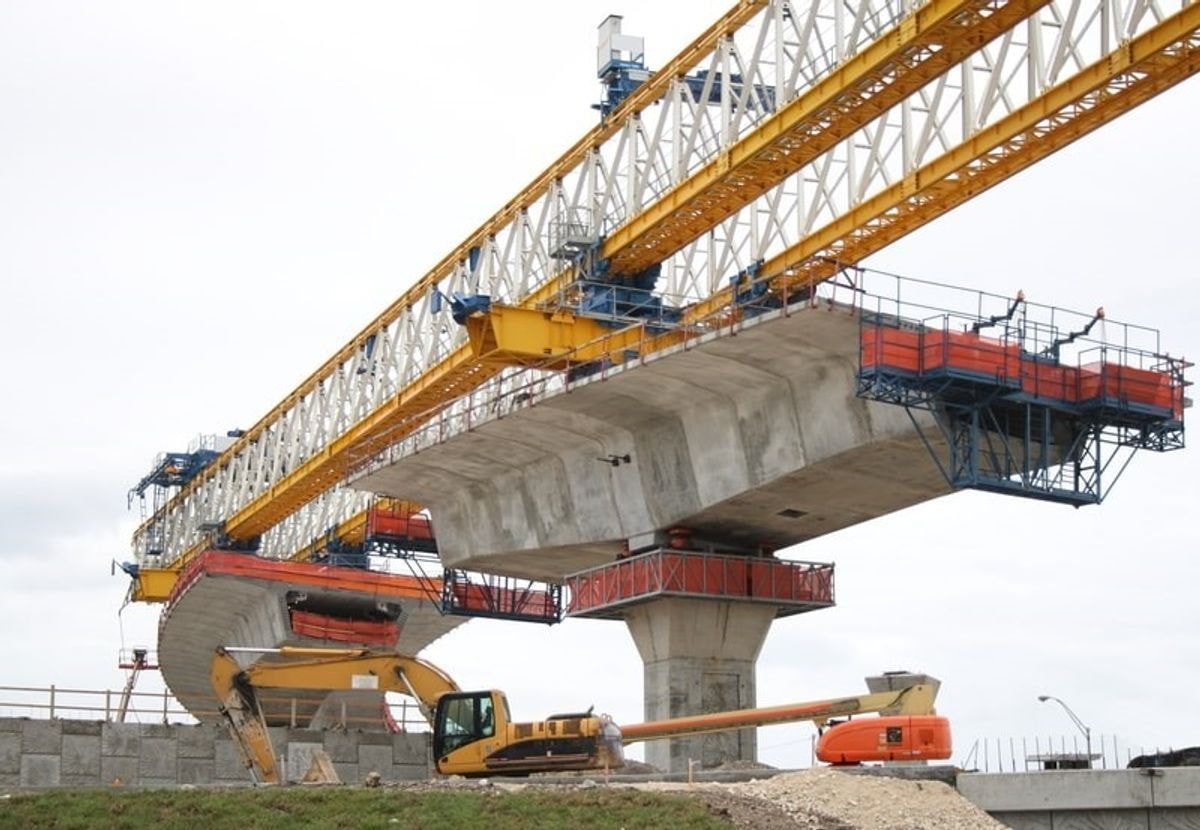
A young graduate stands on the dry earth of a small inland town, squinting through the midday heat. Beneath his boots lies a smooth new stretch of road, part of a modern flyover built by foreign engineers.

Features
A path to women’s wealth creation
Women in Ghana own about half of all businesses; however, they remain underfunded, with low scalability or growth potential. Private sector growth is linked to job and wealth creation.
Features
The silent trauma of people living on the tribal lines
At every family gathering, 28-year-old Akua stands in a crowded room of blood relatives, yet she feels entirely invisible.

Features
Environmental considerations in Corporate Decision-Making under Section 190(2) of the Companies Act, 2019 (Act 992)
The passage of the Companies Act, 2019 (Act 992) changed the corporate governance landscape in Ghana. Its passage was hailed as a watershed moment as it replaced the previous legislation which had been in existence since 1963.
Features
Protecting every cedi
What is the value of financial inclusion when customers cannot confidently protect their money? What is the purpose of digital banking if technological convenience exposes households and businesses to fraud, financial losses and personal insecurity?

Features
Corporate governance implications of the dissolution of nine state boards
On 2 September 2026, President John Dramani Mahama directed the immediate dissolution of the governing boards of nine state-owned enterprises and public institutions: the Ghana National Petroleum Corporation (GNPC),
Comment guidelines
Please keep comments respectful. Use plain English for our global readership and avoid using phrasing that could be misinterpreted as offensive. By commenting, you agree to abide by our community guidelines and these terms and conditions. We encourage you to report inappropriate comments.
No comments yet. Be the first to share your thoughts.