

Citizen experience: A new social contract
Robert E. Hinson & Julius K. Debrah
Kofi needed a police clearance certificate. The document itself is simple: it confirms that its holder has no criminal record, and the law says it should take five working days to issue. Kofi, applying for a job abroad, began the process on a Monday morning with every reason to expect a straightforward outcome.
Published by Christabel Danso
14 views
Topics in this article
Julius K. Debrahcitizen experienceRobert E. Hinson
Related Coverage: Features

Features
Carbon markets face scrutiny over transparency, accountability gaps
The credibility of international carbon markets has come under renewed scrutiny at the ongoing 31st United Nations Climate Change Conference (COP31) in Antalya, Türkiye, following the release of a report highlighting weaknesses in transparency, accountability and environmental integrity under Article 6 of the Paris Agreement.

Features
Will the anchor hold in the storms of exogenous shocks?
Ghana's fiscal anchor came through a year of oil, cocoa, power and flood shocks without slipping. The 2027 Budget recognises that holding steady is not the same as being safe. By changing what the economy produces, the US$10 billion New Economy programme is designed to make the next storm less damaging.
Features
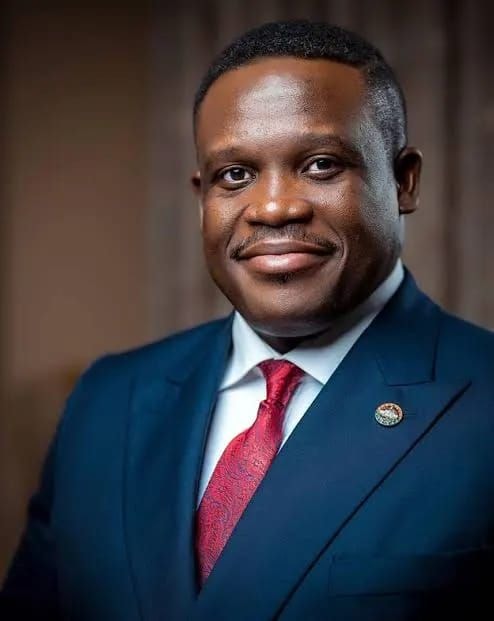
Sam George’s digital agenda: What is being built and what remains to be delivered
Coders, artificial intelligence, 5G and rural masts. Eighteen months into his tenure, the Communication Minister has set a clear direction for Ghana's digital sector. This is an evidence-led look at what has been done, what is under way and where the hard tests lie.
Features
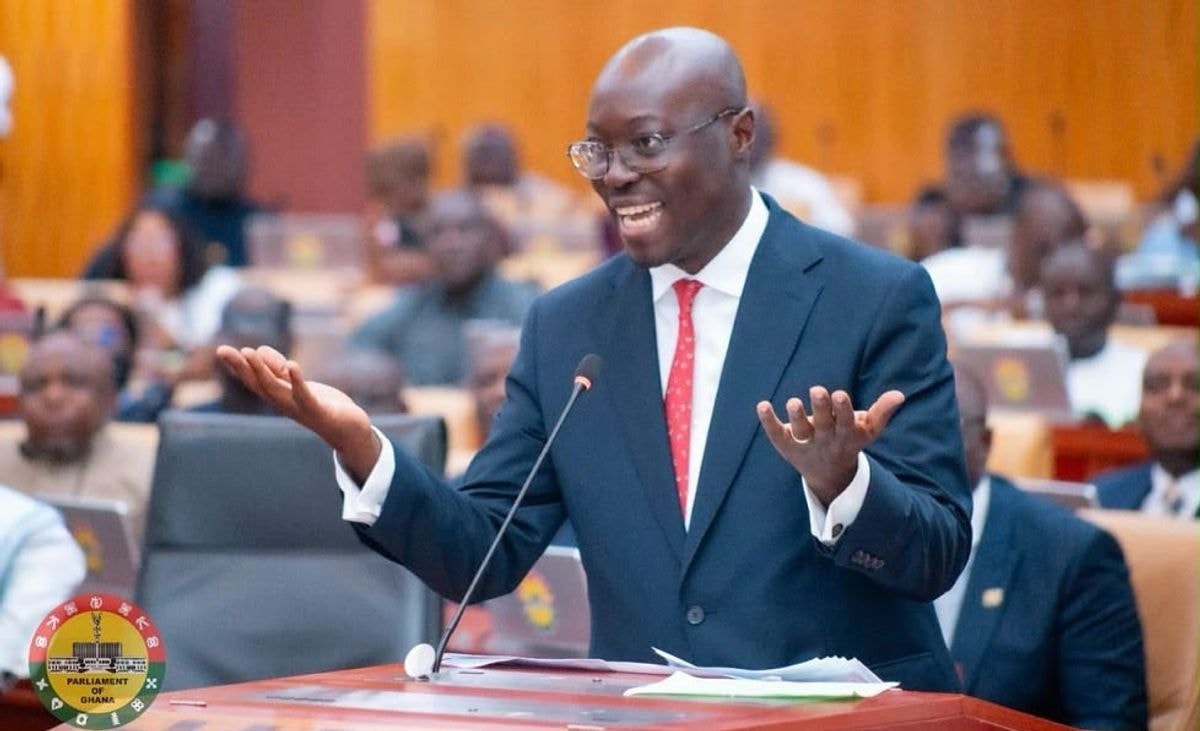
Families, distributors, street retailers excited about 2027 budget
Excise duty exemptions, US$3 billion agricultural investment, contract farming, affordable finance and export incentives open a new chapter for Ghana's fruit processing industry.
Features
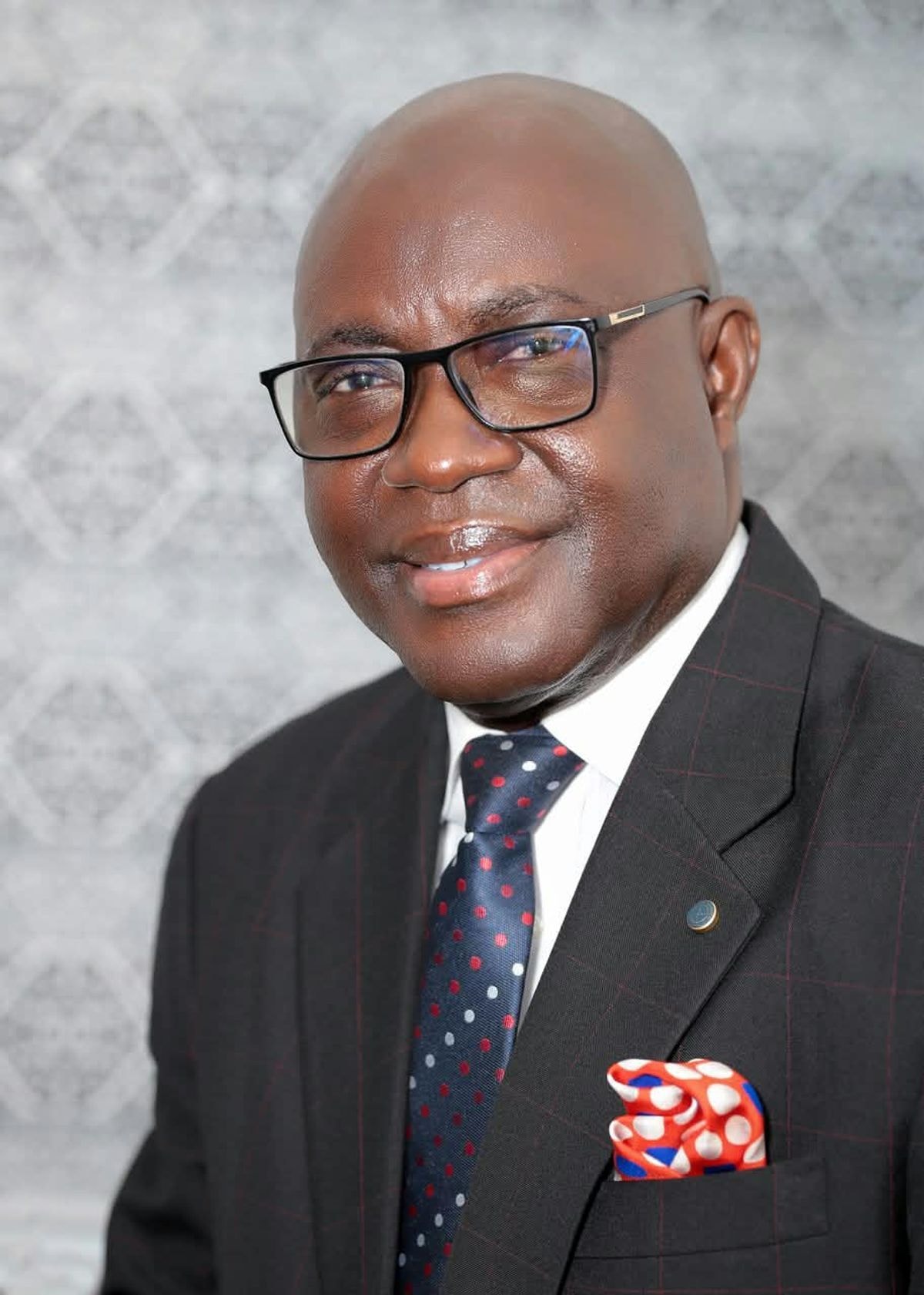
Why Schools in Ghana Need Guidance and Counselling Professionals
By all accounts the recent national stakeholders’ conversation on indiscipline in Ghana’s Senior High Schools (SHSs) held at Sunyani under the auspices of the Ministry of Education was a success. The conversation largely focused on what students are doing wrong, the causes and what all stakeholders, particularly, parents and managers of our schools could or should do to bring our youth back to the right pathway. Generally, the conference agreed that there is an upsurge of violence, bullying, sexual misconduct, and defiance of school authority among a cross section of senior high schools. While several solutions were proposed by way of a communique, this article singles out one critical missing link in the whole debate.

Features
Everyday practices that protect you from identity theft
Why identity theft deserves daily attention

Features
Insights with Dzigbordi Kwaku-Dosoo: In uncertain times, leaders must sound certain
What happens to an organisation when its people begin to lose confidence in the voice of leadership? Imagine walking into a Monday morning management meeting.

Features
Investing beyond the crowd: Why investors must be careful about asset selection, stock purchases and who manages their money
The domestic capital market continues to offer opportunities for individuals, families, businesses and institutional investors to grow their wealth.
Comment guidelines
Please keep comments respectful. Use plain English for our global readership and avoid using phrasing that could be misinterpreted as offensive. By commenting, you agree to abide by our community guidelines and these terms and conditions. We encourage you to report inappropriate comments.
No comments yet. Be the first to share your thoughts.