
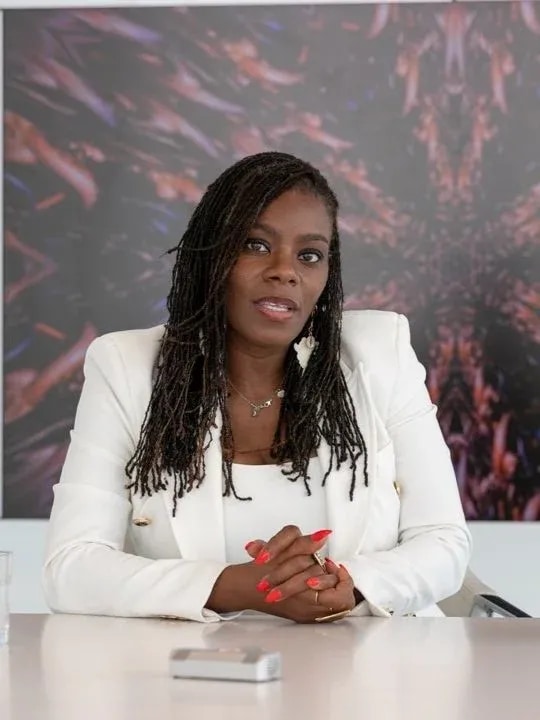
Building Africa’s AI human infrastructure: Why STEM Academy Achievers Ghana, ECG-WinE are joining forces
Paulette Watson MBE
What happens when the women already helping to power Ghana become part of preparing the women and girls who will build its AI future? That question sits at the heart of a new partnership between STEM Academy Achievers Ghana, the global #BeMe initiative and Electricity Company of Ghana – Women in Engineering (ECG-WinE). For me, this is much more than a partnership announcement. It is about connecting generations, connecting industry with education and, importantly, building the human infrastructure Ghana will need for an AI-enabled economy.

Published by Christabel Danso
3 views
Related Coverage: Features
Features
Comms and branding with Samuel OWUSU-ADUOMI: The new world map presents an opportunity to redefine Africa’s place in the world (part 2)
The recent international movement toward maps that show Africa at its true relative size has corrected an important visual distortion.

Features
PR CORNER with Prosper Delali AYAYEE: The PR professional as a researcher — Turning information into intelligence
Public relations has often been described as the art and science of managing communication and relationships between an organisation and its publics. However, behind every successful communication strategy is something that we sometimes underestimate; research.
Features
ESG insights with Chamber of ESG & Sustainability with Frank Adu Anim: The SDGs and the law
Sustainable development law rests on important principles that have developed through international environmental law, treaties, judicial decisions and national legal systems.

Features
How to spot Misinformation and Disinformation
In today’s digital age, misinformation (unintentionally false information) and disinformation (deliberately deceptive content) are widespread, especially during elections and significant public events.

Features
Motoring with Bob Roco ROMEO: I used to think EVs in the country were for "The rich people trying to form"
Then I entered the space. That was about a year and a half ago. What started as a consulting engagement quickly became a conviction.

Features
The Citizen Experience Corner with Dr Julius Debrah and Professor Robert E. Hinson: Design government around citizen journeys, not institutional boundaries
Imagine a small business owner, Emmanuel, who wants to register a company and obtain the authorisations required to begin trading.
News
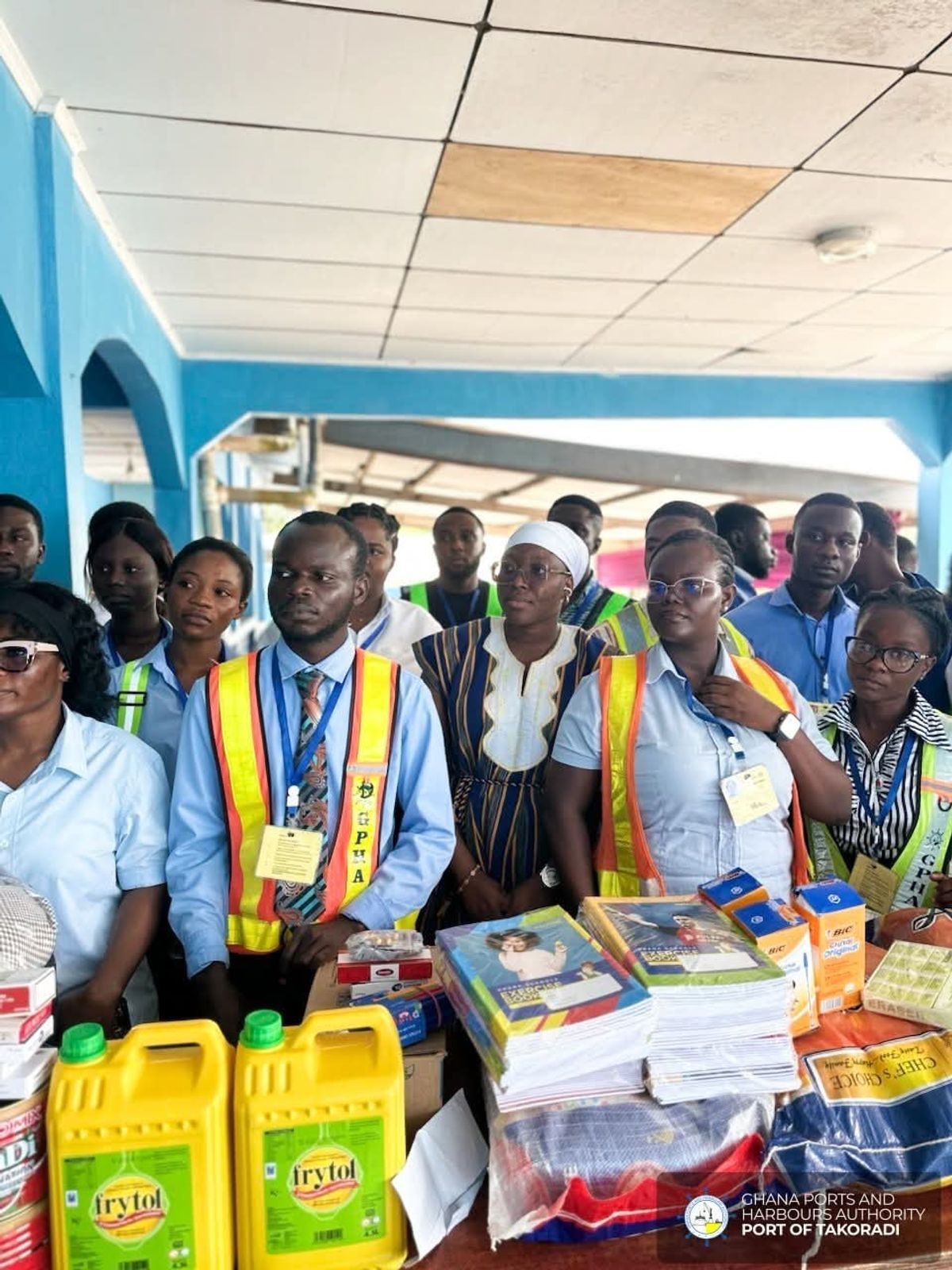
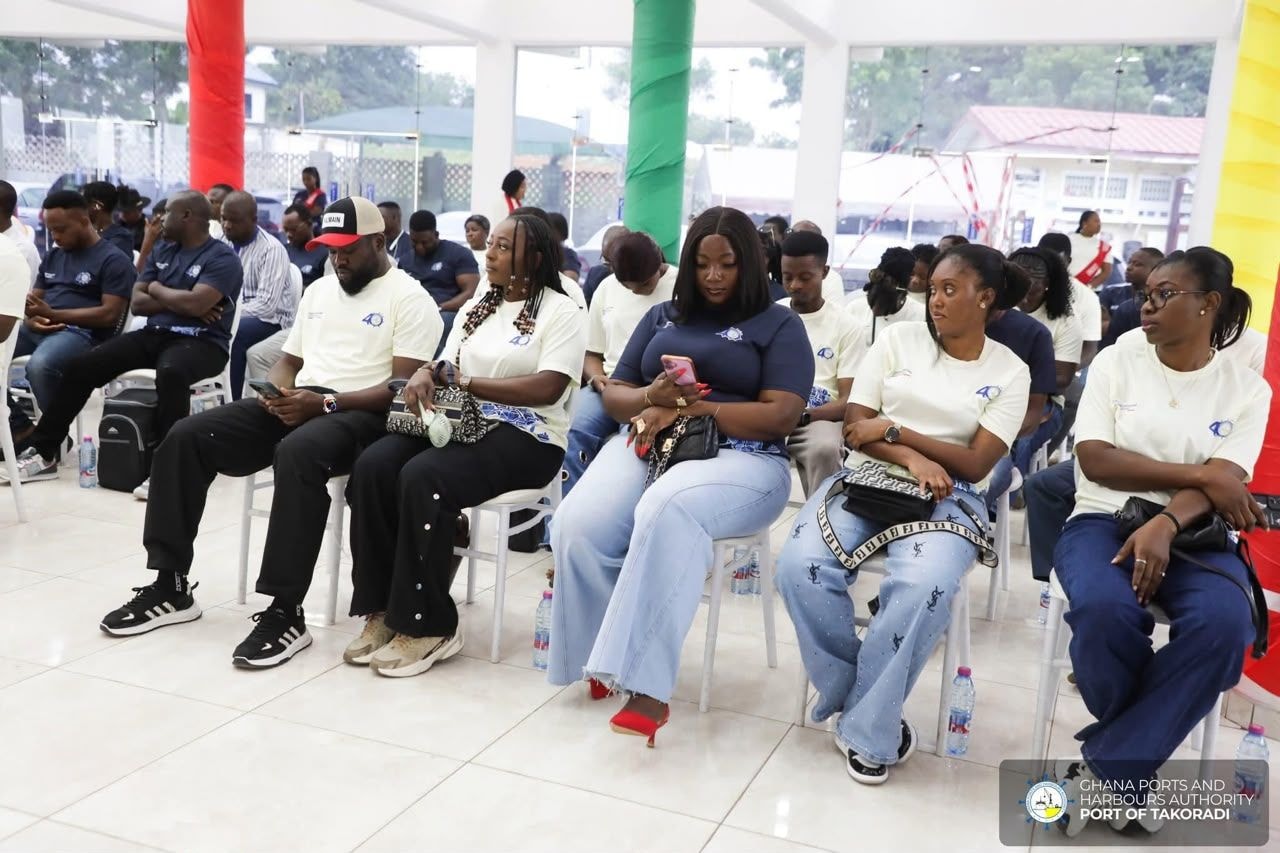
Takoradi Port equips national service personnel for life beyond service
The Ghana Ports and Harbours Authority (GPHA), Port of Takoradi, has climaxed its National Service Week celebration with a strong call on National Service Personnel to build on the knowledge, skills and experience acquired during their service as they transition into the world of work.
News
ASA collaborates with Kwesimintsim Gov’t Hosp. to offer free breast screening and sensitization
Asa Savings and Loans Limited has provided free breast cancer screening and education for women at the Takoradi Central Business District to promote early detection.
Comment guidelines
Please keep comments respectful. Use plain English for our global readership and avoid using phrasing that could be misinterpreted as offensive. By commenting, you agree to abide by our community guidelines and these terms and conditions. We encourage you to report inappropriate comments.
No comments yet. Be the first to share your thoughts.