

Africa mobilises US$110m for Ebola response as health sovereignty agenda gains momentum
Wisdom JONNY-NUEKPE
Africa has mobilised approximately US$110 million from domestic sources to support responses to Ebola and other disease outbreaks, marking a significant step towards strengthening the continent's health security and reducing dependence on external funding.

Published by Business & Financial Times
21 views
Related Coverage: Health

Economy
Ghana, IMF reach staff-level agreement on first programme review
The International Monetary Fund (IMF) has reached a staff-level agreement with Ghana on the first review of its 36-month economic reform programme, supported by the Fund’s non-financing Policy Coordination Instrument (PCI).

Features
No office, yet taxable? How remote employees can expose foreign companies to Ghana's tax laws
The rapid expansion of cross-border remote work has fundamentally altered how multinational enterprises establish an economic footprint in developing markets.

Mining
Rethink mining concessions, tax incentives to boost revenue – IFS
Government must overhaul its mining revenue framework, strengthen enforcement against revenue leakages and review tax incentives to raise domestic revenue, the Institute for Fiscal Studies (IFS) has said, warning that weak revenue mobilisation is constraining public investment and deepening fiscal pressures.
Business and Markets
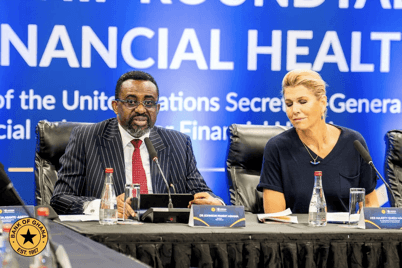
BoG pushes tech-driven credit access for underserved businesses
The Bank of Ghana (BoG) is pushing technology-driven solutions that expand access to productive credit for underserved businesses, as it seeks to translate the country’s financial inclusion gains into stronger financial health for households and enterprises.

Economy
IMF backs 2027 fiscal plan amid external risks
The International Monetary Fund (IMF) has backed Ghana’s 2027 fiscal strategy targetting a 0.5 percent of gross domestic product (GDP) primary surplus, while urging tighter spending controls to protect debt sustainability and preserve room for job creation and infrastructure investment.

News
Industrial research can narrow US$8.9bn trade gap with China - CSIR-IIR
The newly appointed Director of the Council for Scientific and Industrial Research-Institute of Industrial Research (CSIR-IIR), Dr. William Owusu Oduro, has called for stronger industrial capacity to address trade imbalances with other countries, particularly China.
Banking & Finance
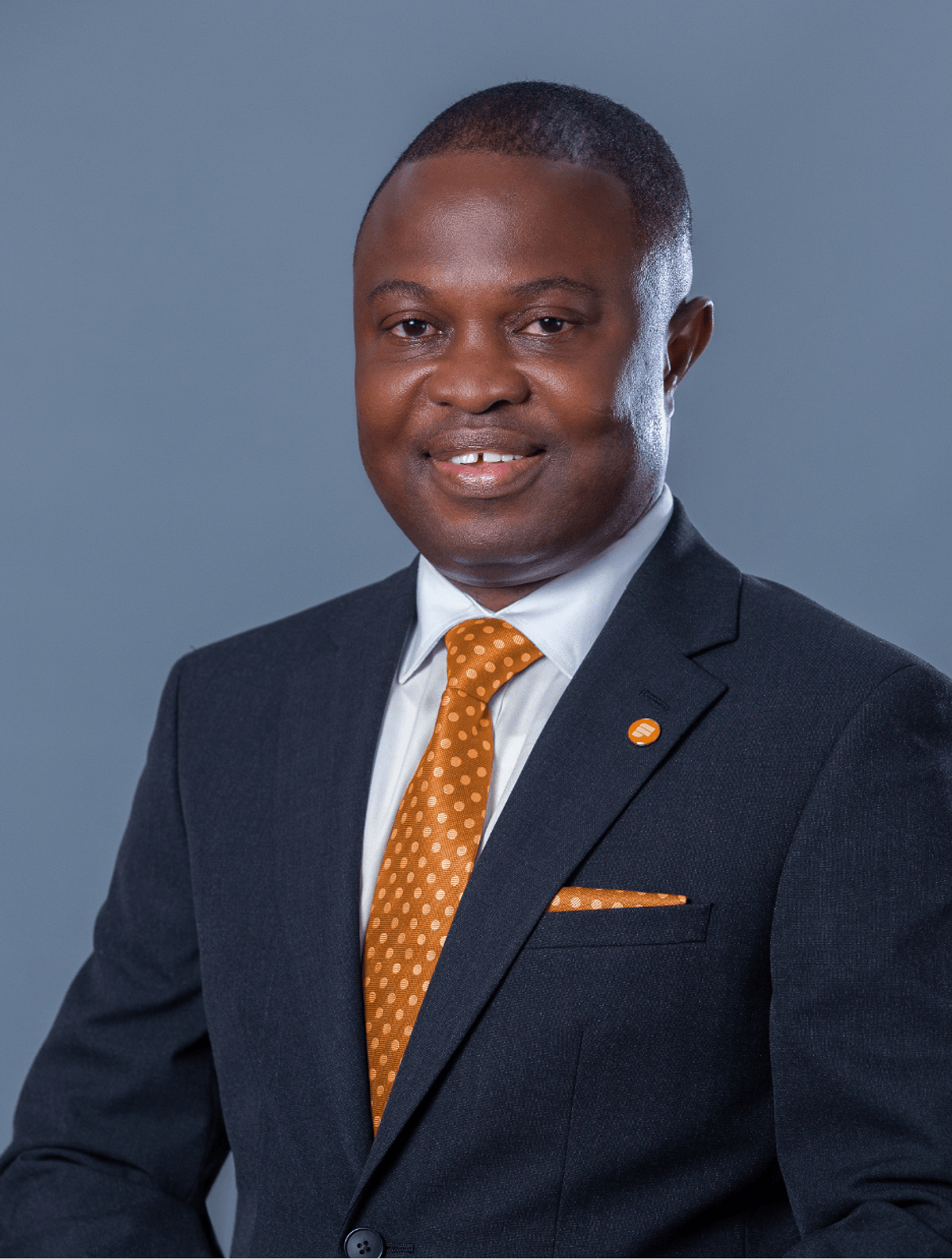
Fidelity Bank achieves 2X Certified Advanced Status for Gender-Smart Finance
Fidelity Bank Ghana has achieved 2X Certified Advanced status, becoming the only bank in Ghana to attain this distinction and reinforcing its commitment to advancing gender-smart finance and women's economic empowerment.
Banking & Finance
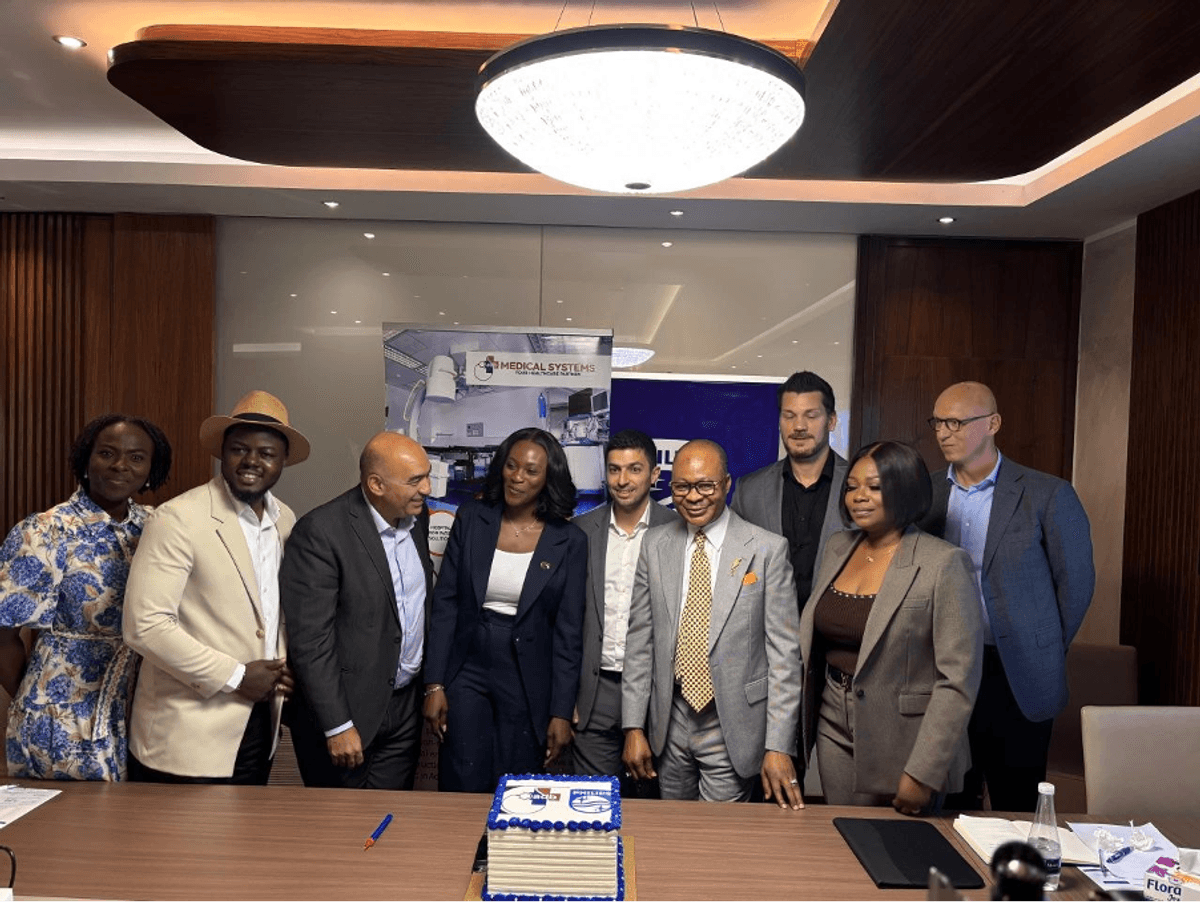
ADB Ghana Medicals, Philips partnership to advance tech-driven healthcare
ADB Ghana Medical Systems Group Ltd. and Philips Healthcare of the Netherlands have reaffirmed their commitment to building a strong and sustainable strategic partnership aimed at advancing healthcare delivery in Ghana.
Comment guidelines
Please keep comments respectful. Use plain English for our global readership and avoid using phrasing that could be misinterpreted as offensive. By commenting, you agree to abide by our community guidelines and these terms and conditions. We encourage you to report inappropriate comments.
No comments yet. Be the first to share your thoughts.