Business and Markets November 6, 2026
More Top Stories

Growing use of digital tokens to represent real-world assets requires clear legal frameworks, reliable ownership records and safeguards to protect investors, financial technology and banking experts say.

With the enactment of the Ghana Investment Promotion Authority Act, 2026 (Act 1173) (the “GIPA Act”), the Development Finance Institutions Act, 2020 (Act 1032) (the “DFI Act”), the Public Private Partnership Act, 2020 (Act 1039) (the “PPP Act”) and the 24-Hour Economy Authority Act, 2026 (Act 1164) (the “24-Hour Economy Act”), the country has assembled a legal architecture capable of supporting a diversified industrial economy. Yet capital remains the binding constraint for manufacturers, agro-processors and infrastructure developers who need it.

Young entrepreneurs are ready to contribute in the renewable energy sector, but face structural barriers that favour larger companies.

Financial distress can reach even the most established companies. An economic downturn, a heavy debt load, falling revenue, or simple mismanagement can leave a business unable to pay its bills.
Consensus can make an institution comfortable. Its capacity to examine disagreement may be what makes it sustainable.

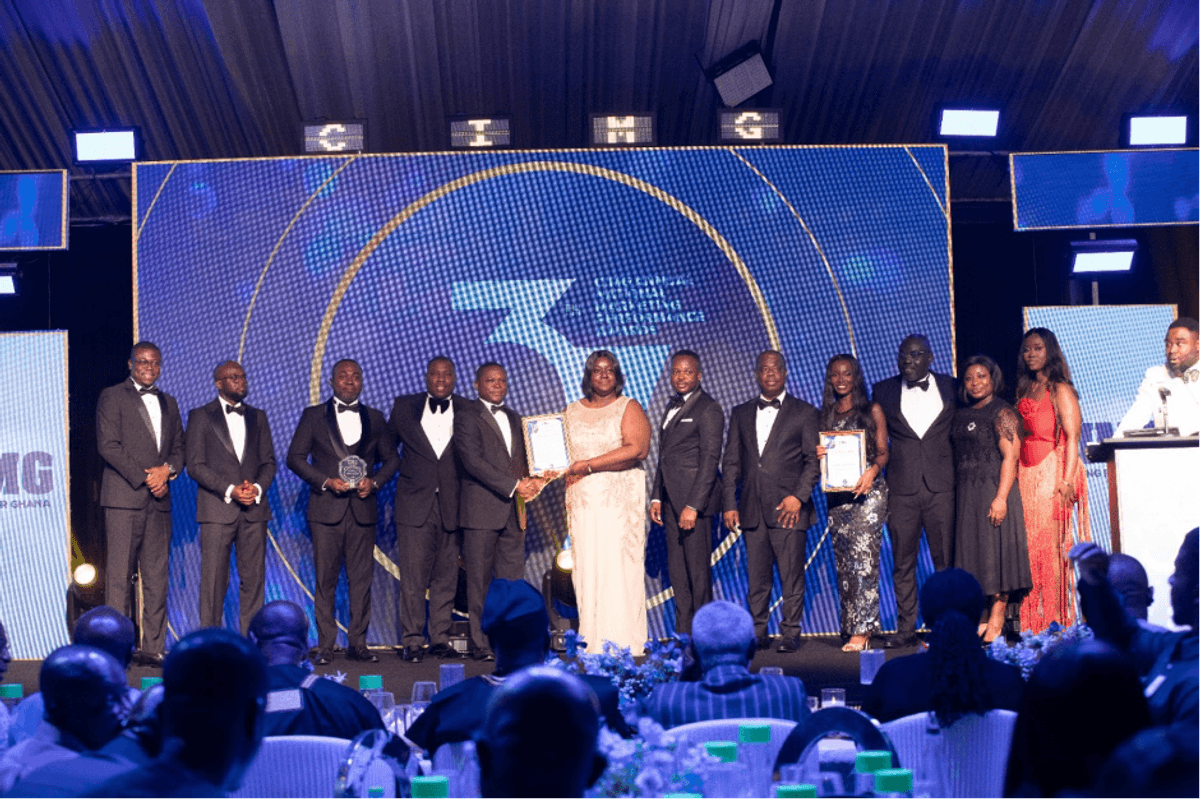
OmniBSIC Bank has been named Marketing-Oriented Bank of the Year at the 37th Chartered Institute of Marketing, Ghana (CIMG) National Marketing Performance Awards.

The Internal Control unit of Stanbic Bank Ghana has supported the Weep Not Child Foundation at Ahwerease-Darmang, near Nsawam, with equipment and financial assistance to help improve the Foundation’s operations and support for children in its care.
With the enactment of the Ghana Investment Promotion Authority Act, 2026 (Act 1173) (the “GIPA Act”), the Development Finance Institutions Act, 2020 (Act 1032) (the “DFI Act”), the Public Private Partnership Act, 2020 (Act 1039) (the “PPP Act”) and the 24-Hour Economy Authority Act, 2026 (Act 1164) (the “24-Hour Economy Act”), the country has assembled a legal architecture capable of supporting a diversified industrial economy. Yet capital remains the binding constraint for manufacturers, agro-processors and infrastructure developers who need it.

Small and medium-sized enterprises (SMEs) have been encouraged to adopt proactive risk management practices as a critical step toward building resilient, sustainable businesses capable of withstanding unforeseen challenges.

Imagine a Ghanaian farmer financing a warehouse through small digital investments, or a young investor purchasing a fraction of a government security. Tokenisation could make such transactions possible.

Africa’s food demand is projected to rise sharply over the coming decades. By 2050, and with a population of 2.4 billion, the continent will have doubled its food demand. Meeting this demand will require increased production, but more importantly, it will need efficient markets and greater investment across agricultural value chains.