

Gov’t to audit energy agencies debts as TOR pushes for ESLA receivables settlement
Juliet Etefe

6 views
Related Coverage: Top Headlines

Business and Markets
BoG to tighten credit risk rules
The Bank of Ghana (BoG) is preparing to tighten banks’ credit risk management requirements as private-sector lending accelerates, with the regulator warning that rapid credit expansion must be matched by stronger underwriting and risk controls.

Africa
Economic growth in Sub-Saharan Africa gains momentum despite global uncertainty
Sub-Saharan Africa’s economy remains resilient despite geopolitical tensions, climate shocks, declining development assistance, and fiscal pressures.

News
Employers pay GH¢34.25m over injuries in 2025
Workplace accident compensation claims finalised in Ghana’s labour market amounted to GH¢34.25million for 2025, with a further GH¢28.56million paid on cases finalised as of June 2026.

News
Ghana–Japan Relations: Japan courts broader partnership
Japan is positioning itself as a deeper commercial and technological partner for Ghana, moving beyond the traditional aid relationship.

News
PMI launches free course to help entrepreneurs turn ideas into viable businesses
Africa’s creator economy is projected to reach nearly US$18 billion by 2030, but turning an audience into a viable business takes planning, financial discipline and reliable delivery.


Companies
Medi‑Moses CEO honoured among top 100 legends
Chief Executive Officer of the Medi‑Moses Clinic and Prostate Centre, Dr. De‑Gaulle Moses Dogbatsey, has been recognised among “Ghana’s 100 Legendary Honours” for 2026.
Mining
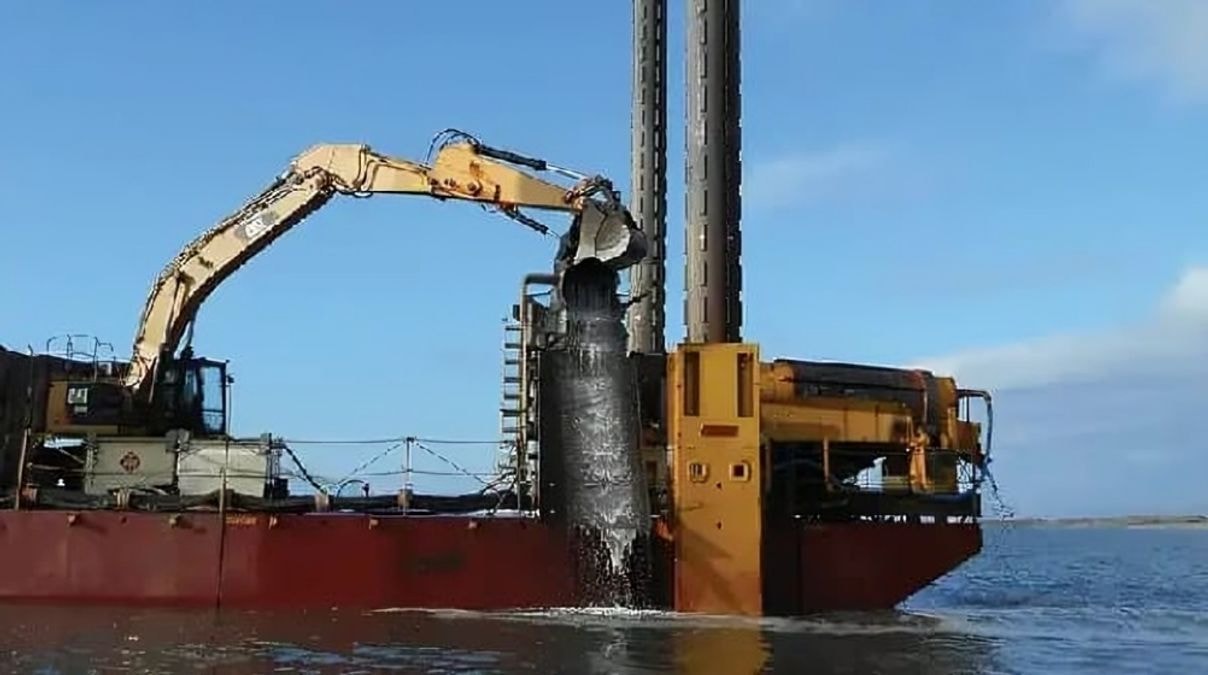
Gov’t halts offshore gold exploration
Government has ordered the immediate suspension of offshore gold exploration activities by Goldcoast GRC Ghana Limited, months after granting the company reconnaissance licences to search for minerals in Ghana’s territorial waters.
Comment guidelines
Please keep comments respectful. Use plain English for our global readership and avoid using phrasing that could be misinterpreted as offensive. By commenting, you agree to abide by our community guidelines and these terms and conditions. We encourage you to report inappropriate comments.
No comments yet. Be the first to share your thoughts.