
The invisible prisons of the mind
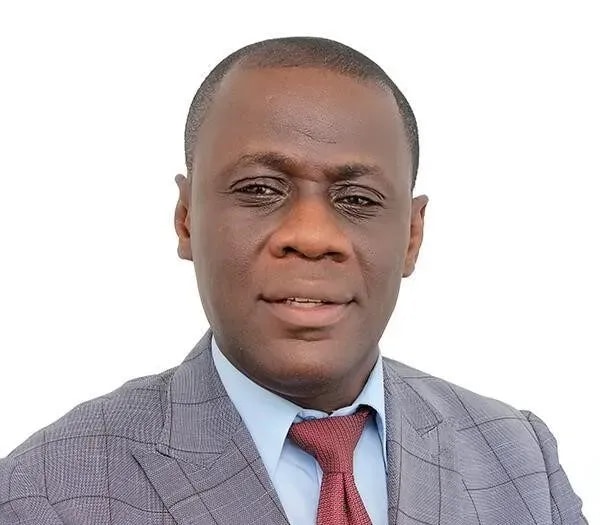
Prof. Samuel Lartey

Published by Francis Bortey
0 views
Topics in this article
The invisible prisons of the mind
Related Coverage: Features
Features
Personal Branding with Bernard Kelvin Clive: Before you hand over the keys
I have noticed something about many business owners, especially those who have spent decades building their companies.
Features
HR Frontiers With Senyo M. Adjabeng: Principles of Tort in HR practice
Human resource practice is often conceived in terms of contracts, policies, and statutory compliance.
Features
Service and Experience with J. N. Halm: Pre-service imagination
There is a place I intend to revisit for my next holiday. It is a place I visited a couple of years ago, but the memory of the place has stayed with me ever since.
Features
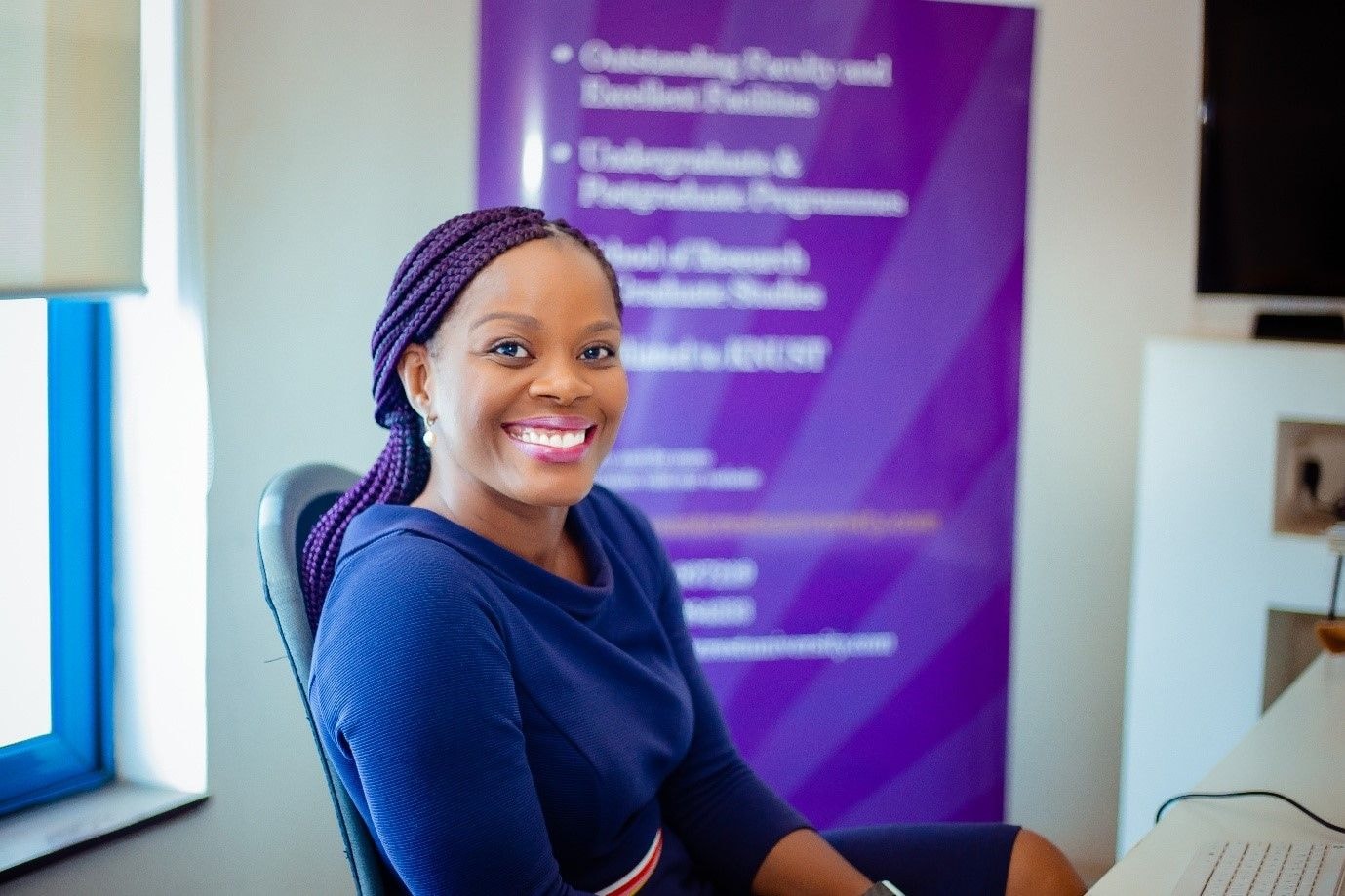
FOUNDER TO FOUNDER with Irene Ansa-Asare Horsham: Business law for non-lawyers
“I own the company.”
Features
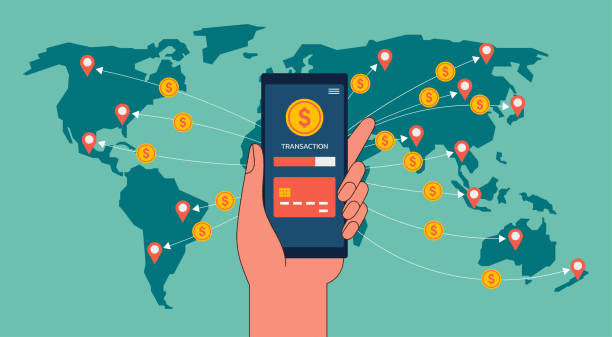
Why cross-border payments are being rebuilt outside the banks, not inside them
You send money from London to Accra. The app asks for an amount, you tap a button, and a few moments later it says done. That tap hides one of the messier pieces of plumbing in finance, and most of the people who use it will never see any of it.

Features
Development Discourse with Amos Safo: How long must teachers suffer before someone listens?
Ghana cannot claim meaningful economic progress while teachers work under dehumanising conditions and children in deprived communities are denied the basic infrastructure necessary for learning. The plight of rural teachers is not merely an educational problem; it is a question of human development, social justice and national priorities.
Features
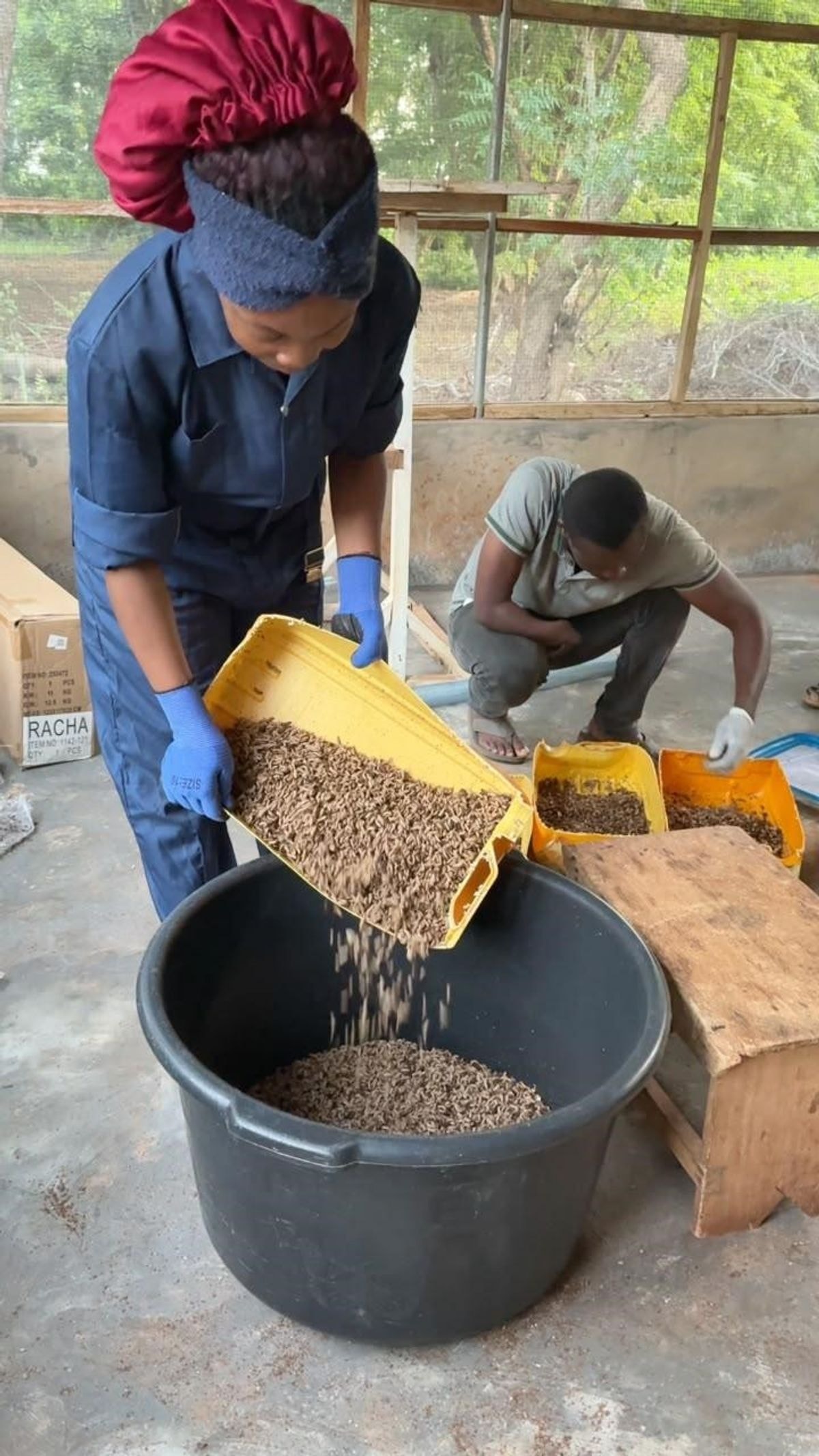
From technology park to enterprise: How black soldier fly innovation is creating new opportunities for farmers in the North
The Council for Scientific and Industrial Research–Savanna Agricultural Research Institute (CSIR-SARI) has been known as the cornerstone of agricultural innovation in Ghana, thereby impacting the national research landscape and empowering local scientists.
Features
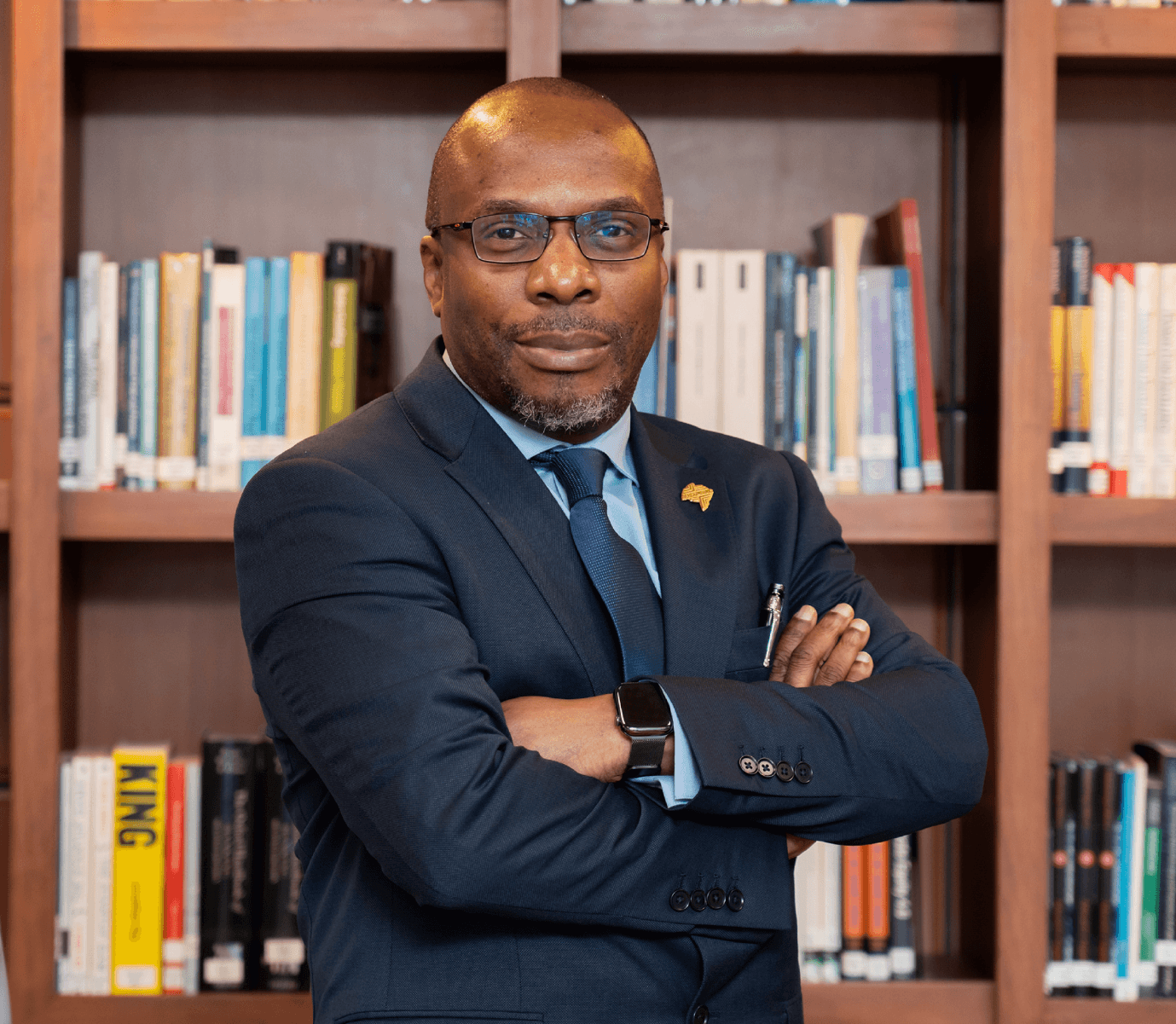
Building the economy Africa needs
As geopolitical tensions reshape the world economy, Africa faces a choice: it can allow itself to be carried along by events into an uncertain future, or it can use the ongoing shifts in the international order as an opening to position itself as a more influential global player.
Comment guidelines
Please keep comments respectful. Use plain English for our global readership and avoid using phrasing that could be misinterpreted as offensive. By commenting, you agree to abide by our community guidelines and these terms and conditions. We encourage you to report inappropriate comments.
No comments yet. Be the first to share your thoughts.