
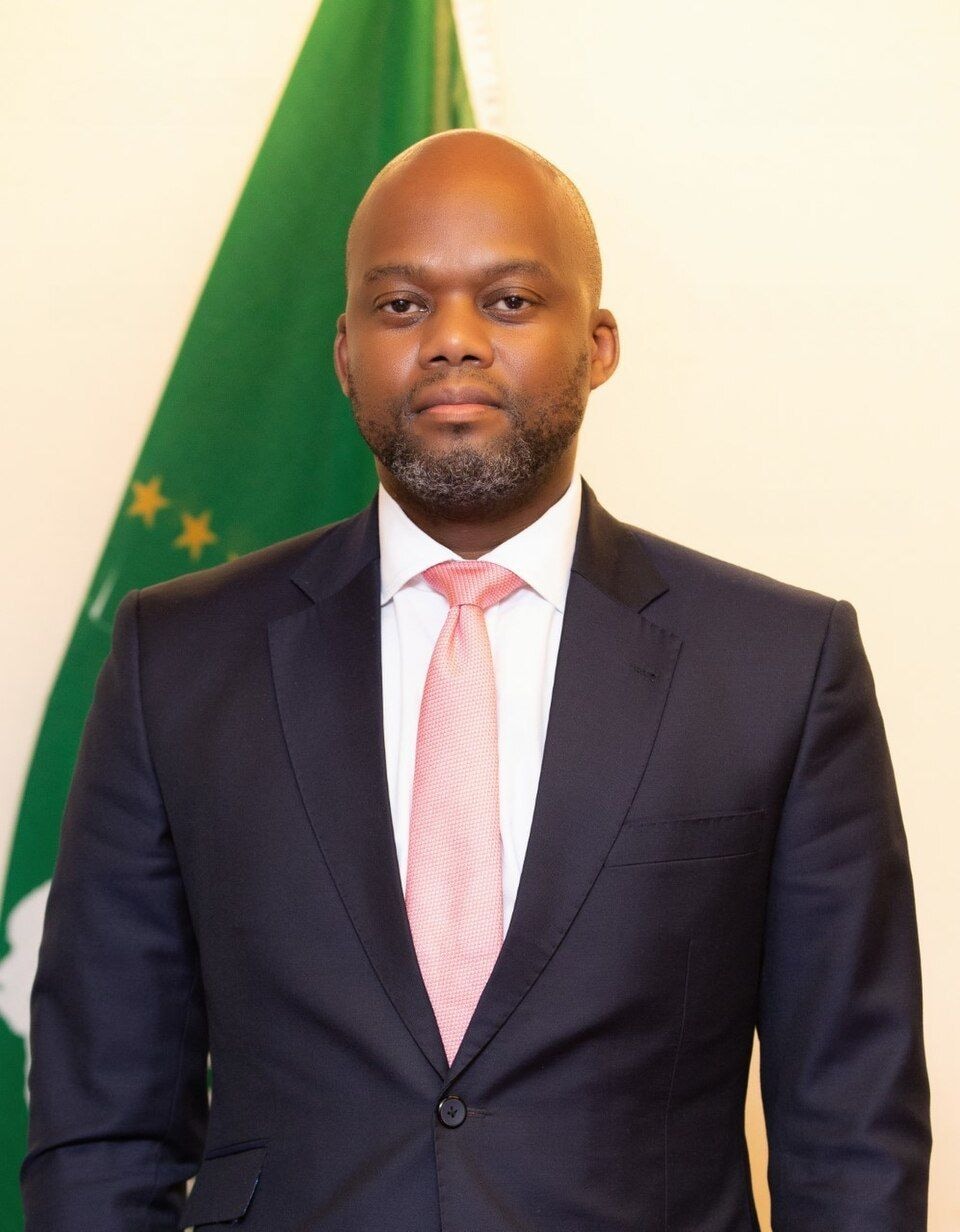
Editorial: AfCFTA moving from negotiation to implementation…

Published by Christabel Danso
0 views
Topics in this article
Bank of GhanaAfrican Continental Free Trade Area
Related Coverage: Editors' picks
News
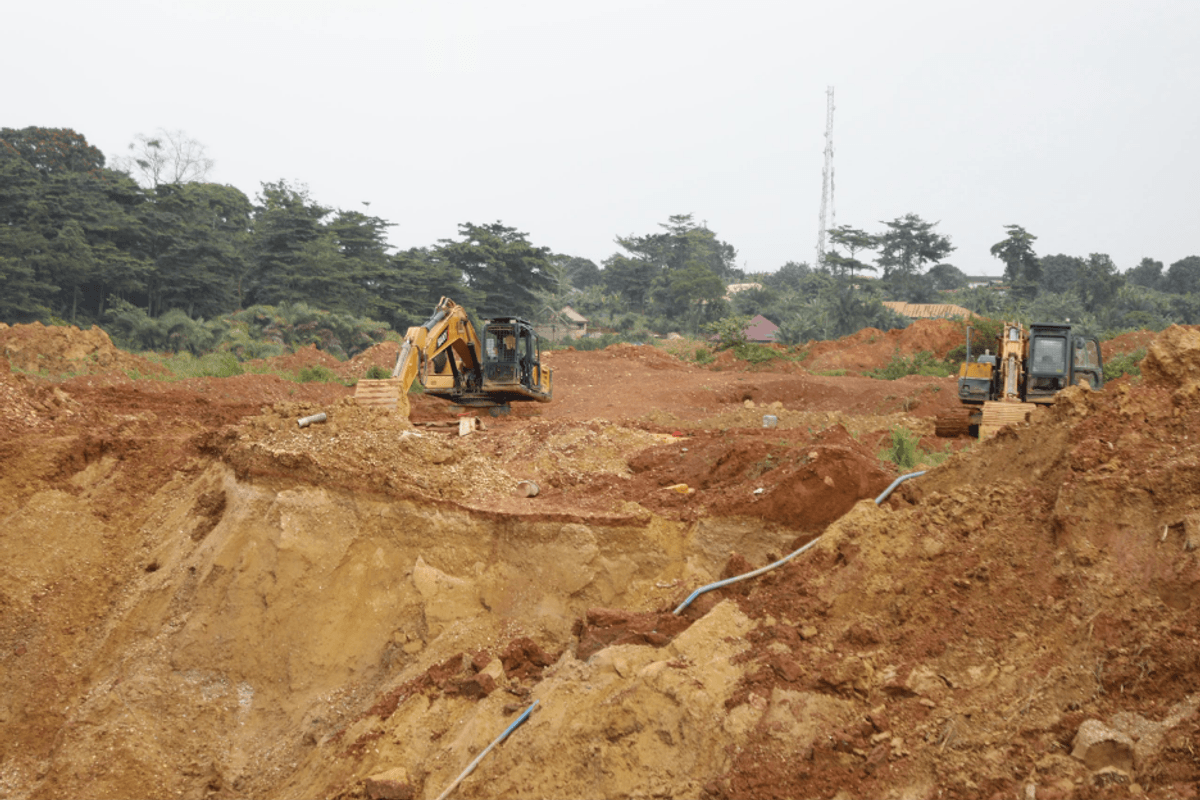
Galamsey ravages lands in Osino
Illegal mining activities at Osino in the Eastern Region have caused extensive environmental destruction, prompting calls for tougher enforcement and urgent action against operators.
Mining
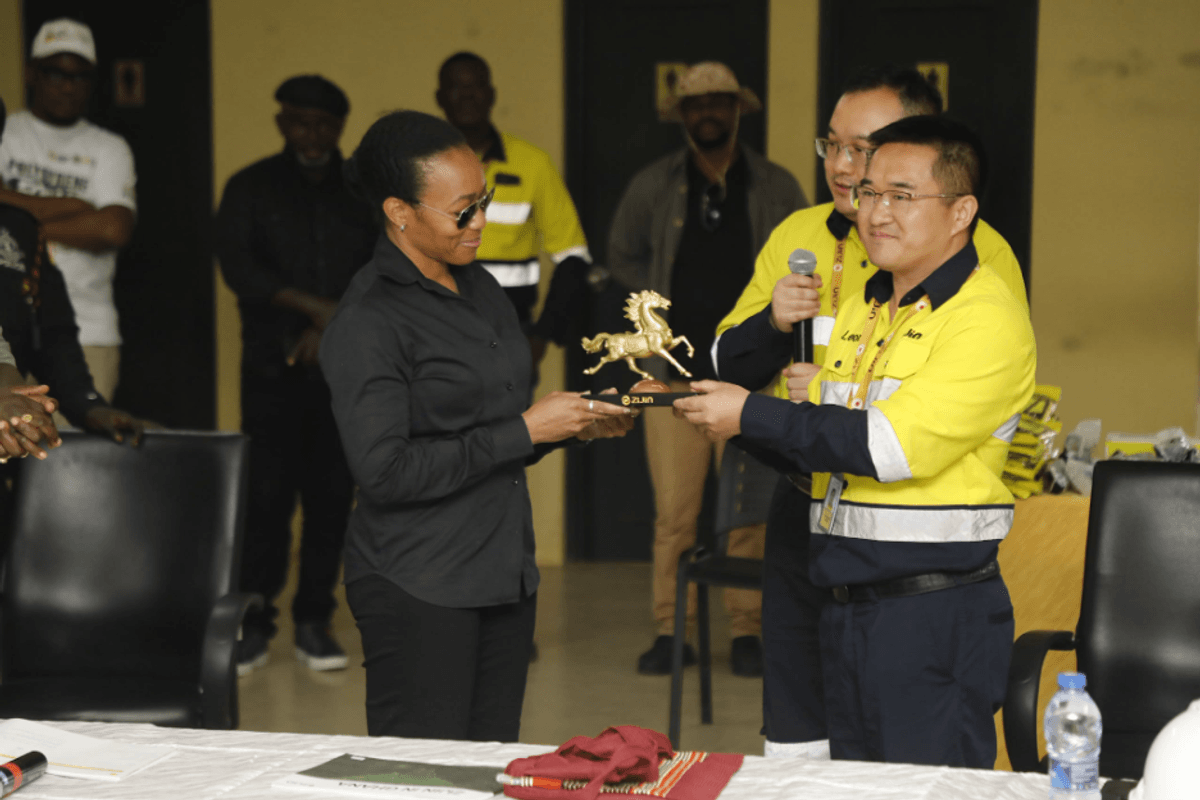
MEST pushes enforcement against galamsey on legal mining concessions
The Minister for Environment, Science and Technology has called for stronger enforcement to protect legal mining concessions from encroachment by illegal miners.
News
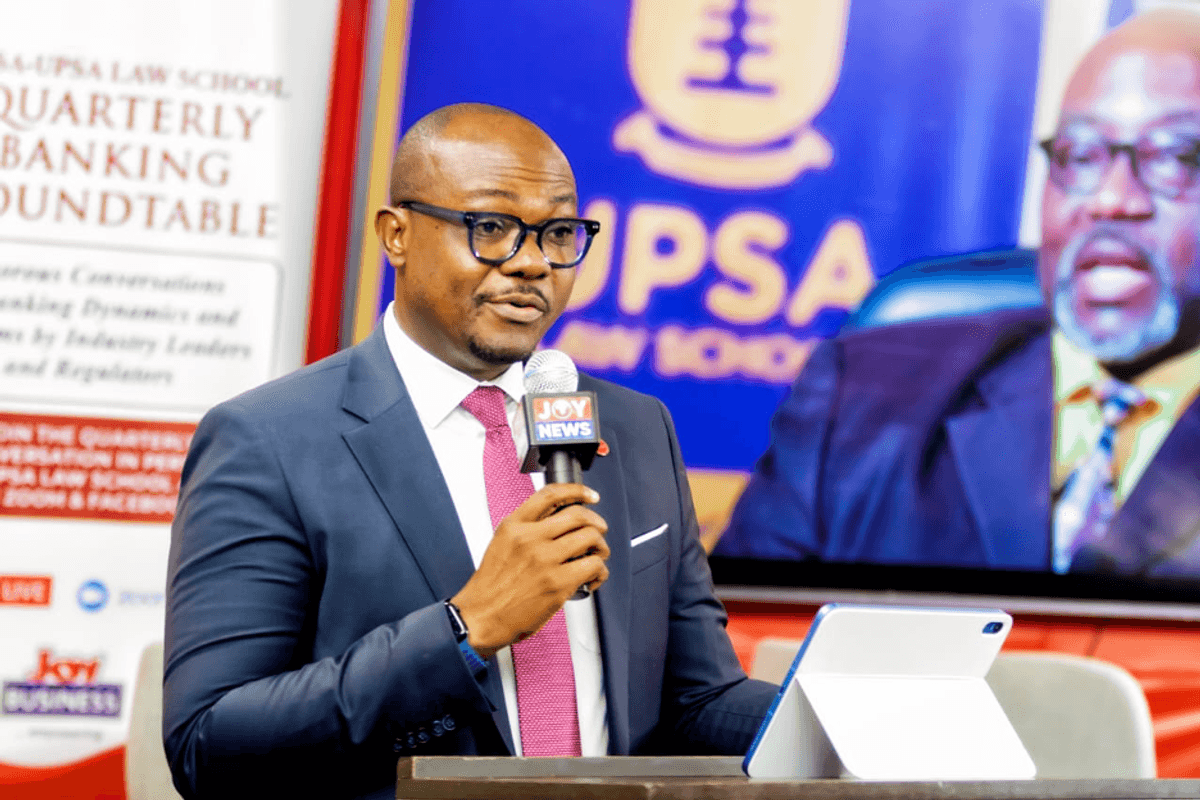
15th Absa-UPSA banking roundtable examines responsibility for digital banking fraud
The 15th Absa-UPSA Law School Quarterly Banking Roundtable brought together leaders and practitioners from banking, regulation, telecommunications,

News
Global Media Alliance/Japan Motors support Ghana Blind Union
Global Media Alliance (GMA) and Japan Motors have donated 60 white canes to the Ghana Blind Union (GBU) to support the welfare and mobility of persons living with visual impairment.
Business
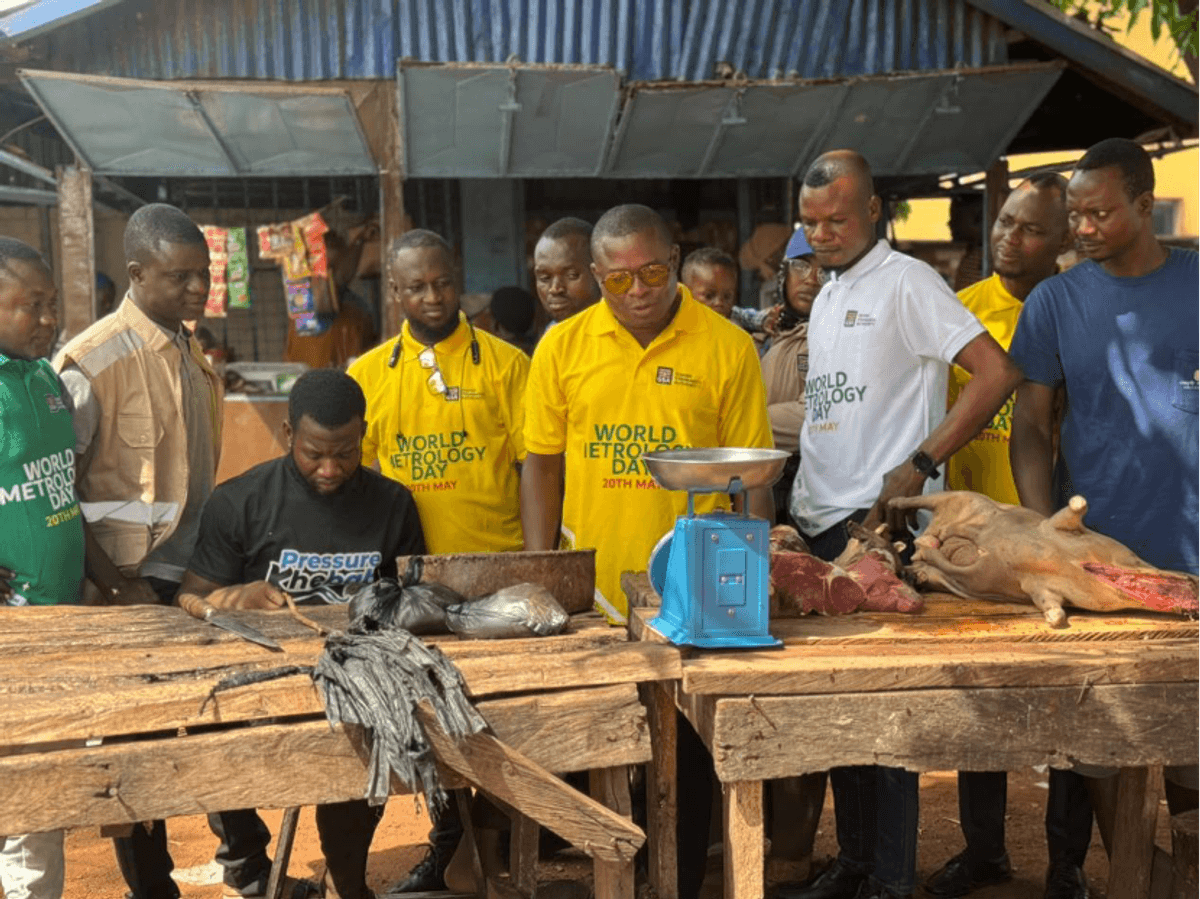
Check quality marks before buying products – GSA urges
The Northern Regional Manager of the Ghana Standards Authority (GSA), Mr. Basim Alhassan, has urged consumers to check for the authority’s certification and quality marks before purchasing products to ensure safety and value for money.
News
SSNIT pays GH¢6.71bn in benefits by September 2026
The Social Security and National Insurance Trust (SSNIT) has paid a total of GH¢6.71 billion in benefits to beneficiaries as of September 2026.
Business
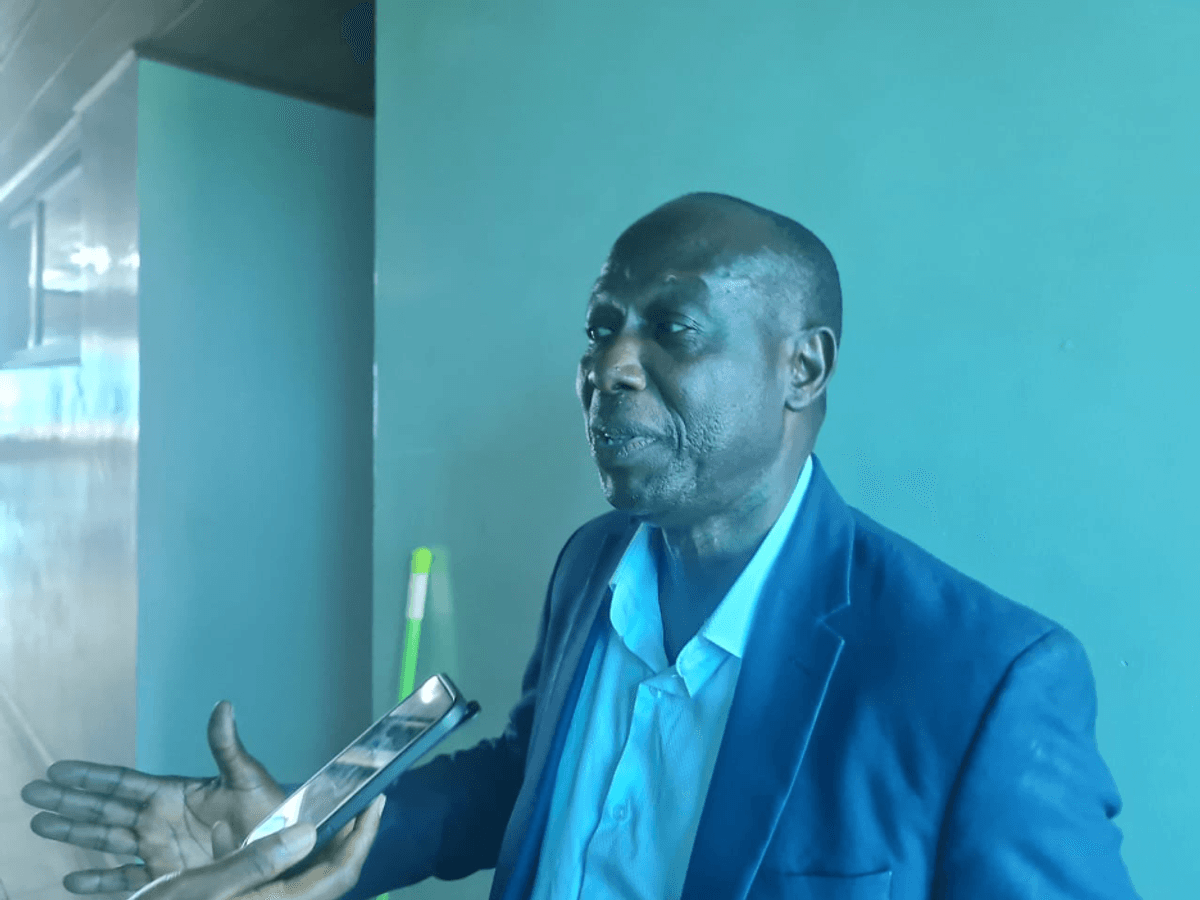
GSA intensifies surveillance against illegal use of quality mark
The Ghana Standards Authority (GSA) is stepping up market surveillance in the Western Region to identify businesses illegally using its quality mark and ensure their products meet certification requirements.
News
Turn economic stability into jobs and industrial growth — ISSER
Ghana must translate macroeconomic stability into job creation, industrial expansion and higher productivity to improve living standards, as government shifts its economic agenda toward structural transformation, Director-Institute of Statistical, Social and Economic Research (ISSER) Professor Robert Darko Osei has said.
Comment guidelines
Please keep comments respectful. Use plain English for our global readership and avoid using phrasing that could be misinterpreted as offensive. By commenting, you agree to abide by our community guidelines and these terms and conditions. We encourage you to report inappropriate comments.
No comments yet. Be the first to share your thoughts.