
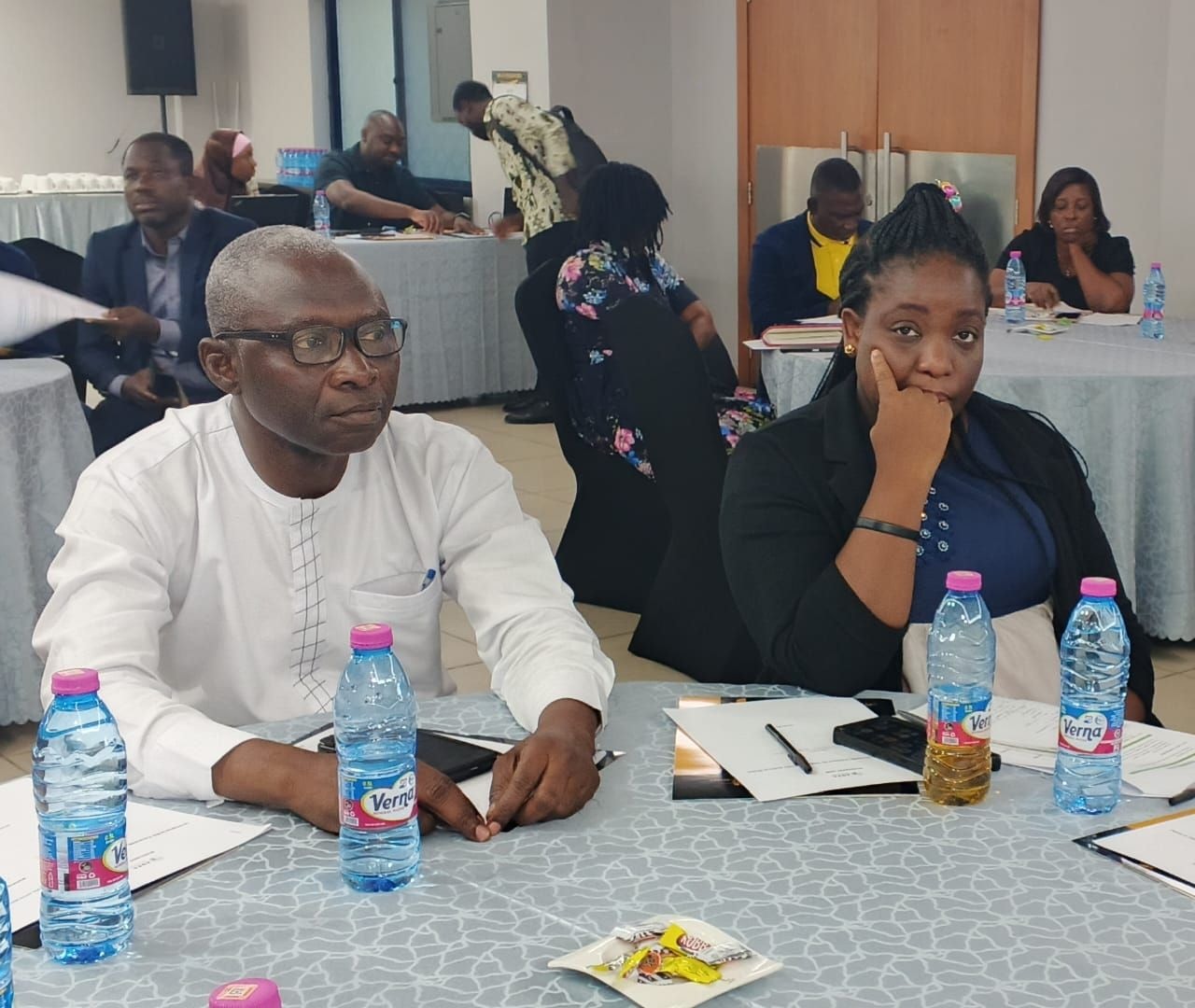
New AGRA tool to support evidence-based climate adaptation decisions

Published by Francis Bortey
1 view
Topics in this article
climate adaptation decisionsNew AGRA tool
Related Coverage: Investments
Banking & Finance
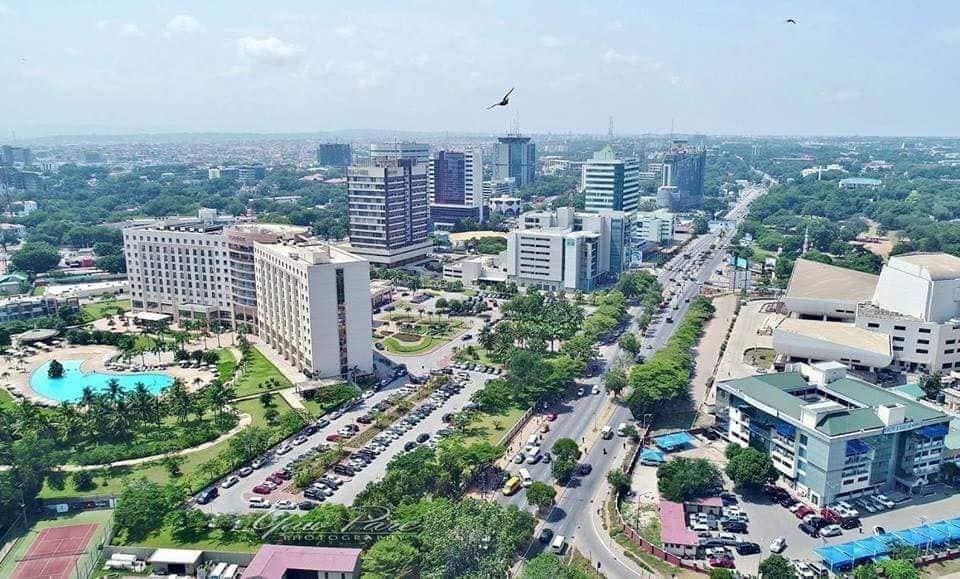
Falling yields shift banks toward lending
The shift in banks’ balance-sheet allocation is becoming more pronounced, as deposit-taking institutions redirect resources toward lending amid lower money-market yields and changes to reserve requirements.
Business and Markets
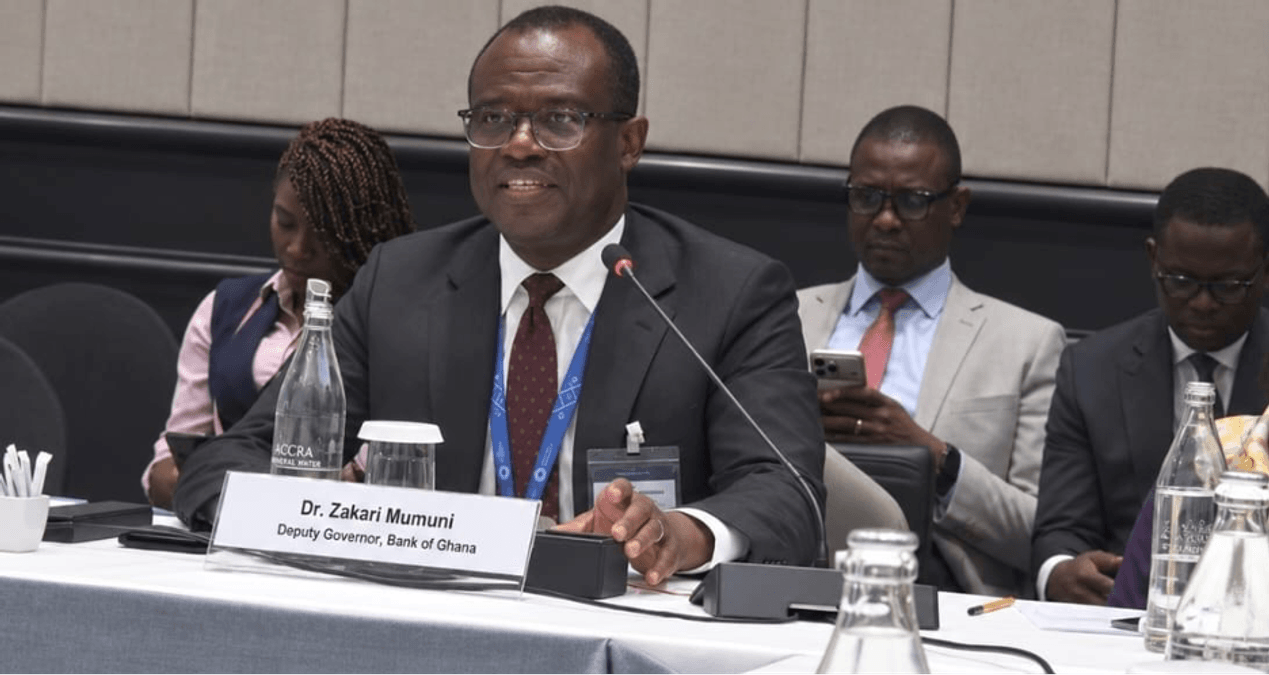
Investor confidence, bankable projects key to attracting Asian capital — BoG
The Bank of Ghana(BoG) has identified investor confidence, policy predictability and commercially viable projects as critical to attracting more Asian investment into West Africa, stressing the need for stronger risk management and institutional credibility.
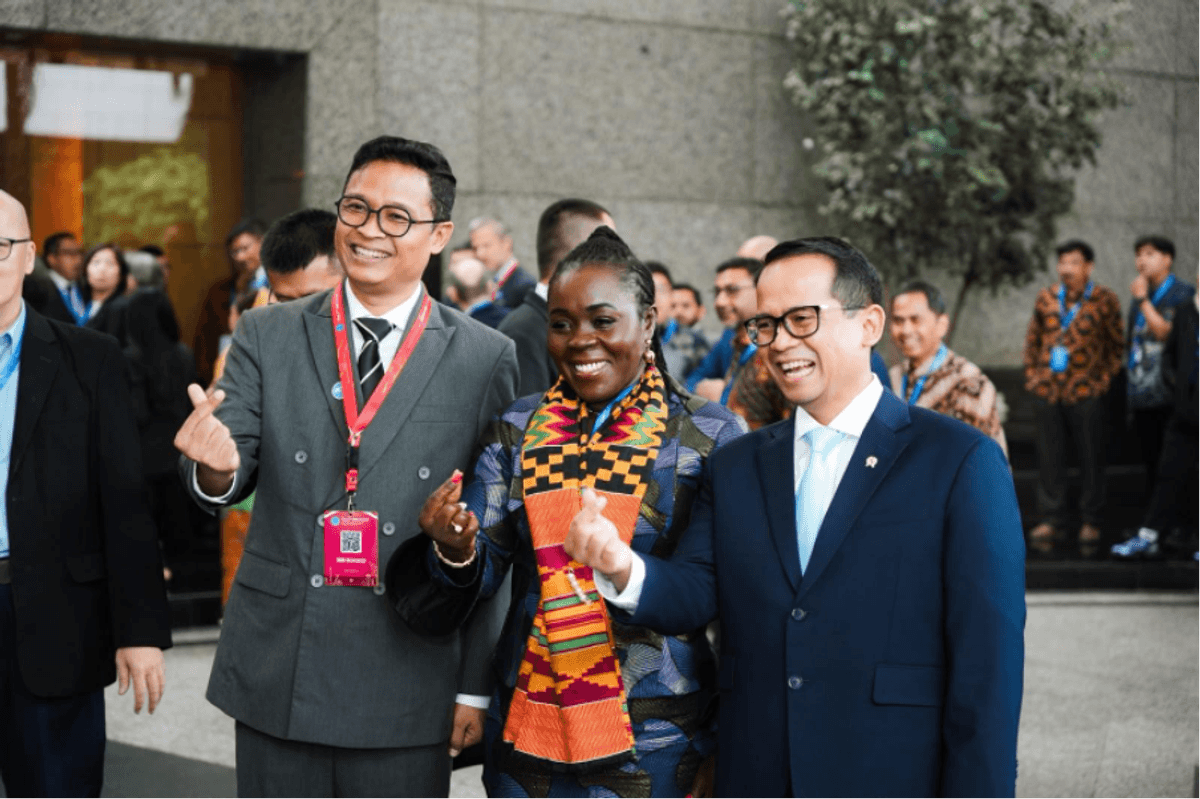
GRA showcases digital tax gains at 7th BRITACOF in Jakarta
The Ghana Revenue Authority (GRA) has showcased its digital tax administration reforms at the 7th Belt and Road Initiative Tax Administration Cooperation Forum (BRITACOF) in Jakarta, Indonesia,
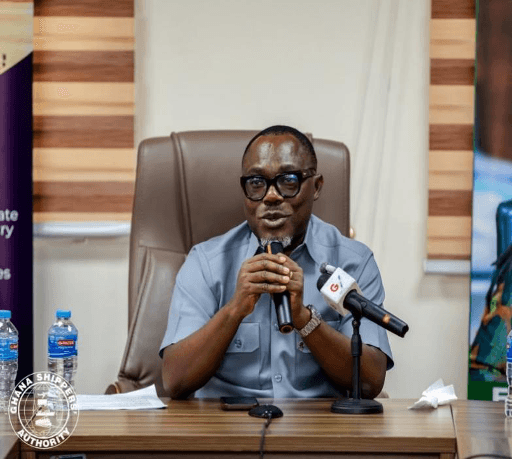
Accra to host signing of UN electronic cargo treaty this month
Ghana will host the signing of a United Nations convention establishing a common legal framework for electronic cargo documents, in a move aimed at reducing shipping delays, lowering trade costs and improving access to trade finance for businesses.
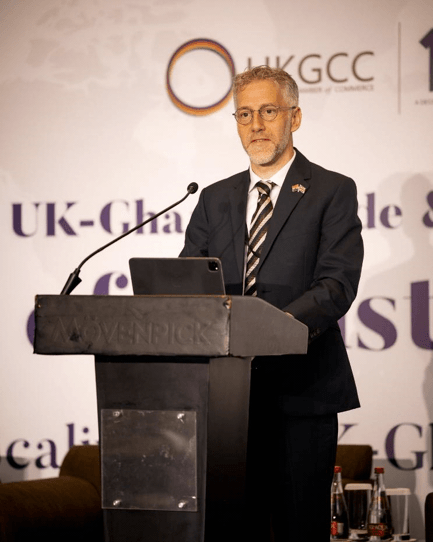
Trade
UK-Ghana trade exceeds £1.6bn
Trade between Ghana and the United Kingdom (UK) has exceeded £1.6billion, with both countries seeking to deepen commercial ties and unlock further opportunities in investment, technology, agriculture and industrial development.
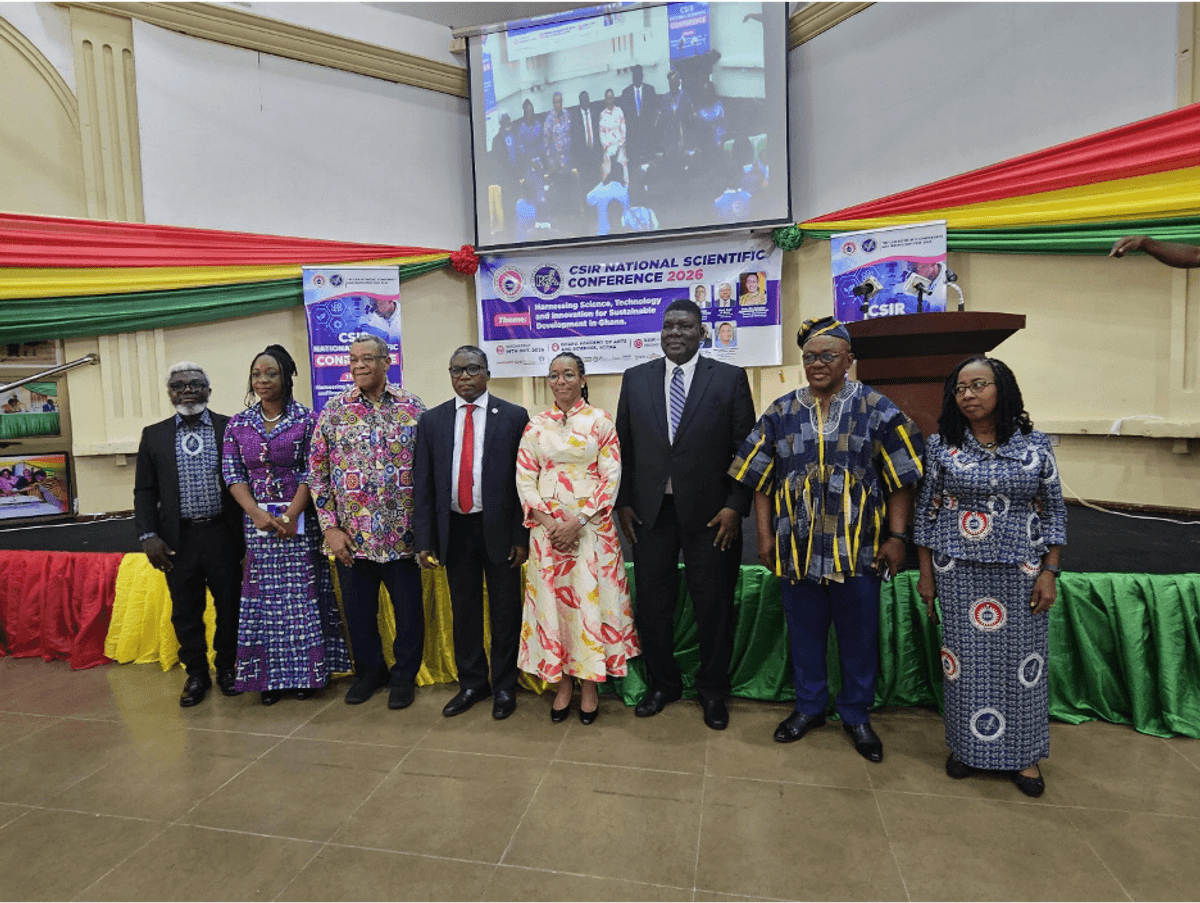
News
Weak IP protection stifles private research funding
Presidential Advisor on the 24-Hour Economy Goosie Tanoh has identified uncertainty over Intellectual Property (IP) rights as a major obstacle to private-sector investment in scientific and industrial research.
Features
“Follow Ghana’s steps”: The IMF’s verdict on a remarkable economic turnaround
Three years after entering an IMF programme amid one of its deepest economic crises in decades, Ghana is being cited by the Fund as an example for other countries facing similar difficulties.
Features
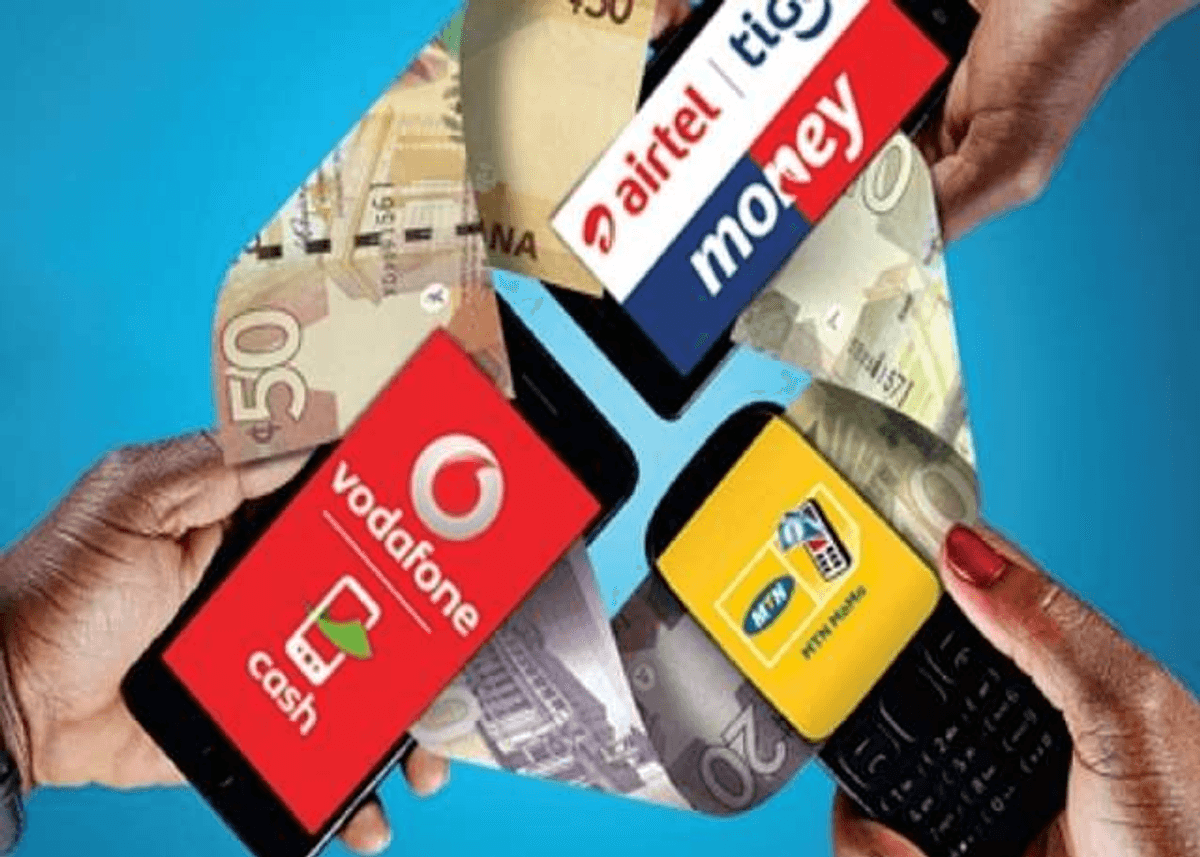
Before you send that MoMo payment, who checks the seller?
Most of us know the routine. You see a dress, a phone or a bag of rice on Instagram, TikTok or a WhatsApp status. You send a message. The seller replies quickly and politely, sends a few more photos and gives you a Mobile Money number. You pay. Then you wait.
Comment guidelines
Please keep comments respectful. Use plain English for our global readership and avoid using phrasing that could be misinterpreted as offensive. By commenting, you agree to abide by our community guidelines and these terms and conditions. We encourage you to report inappropriate comments.
No comments yet. Be the first to share your thoughts.