
Editorial: Align national VAT frameworks with the ECOWAS Directive

Published by Christabel Danso
0 views
Topics in this article
African Development Bank
Related Coverage: Editors' picks
News
Ashanti cocoa farmers welcome new COCOBOD Act
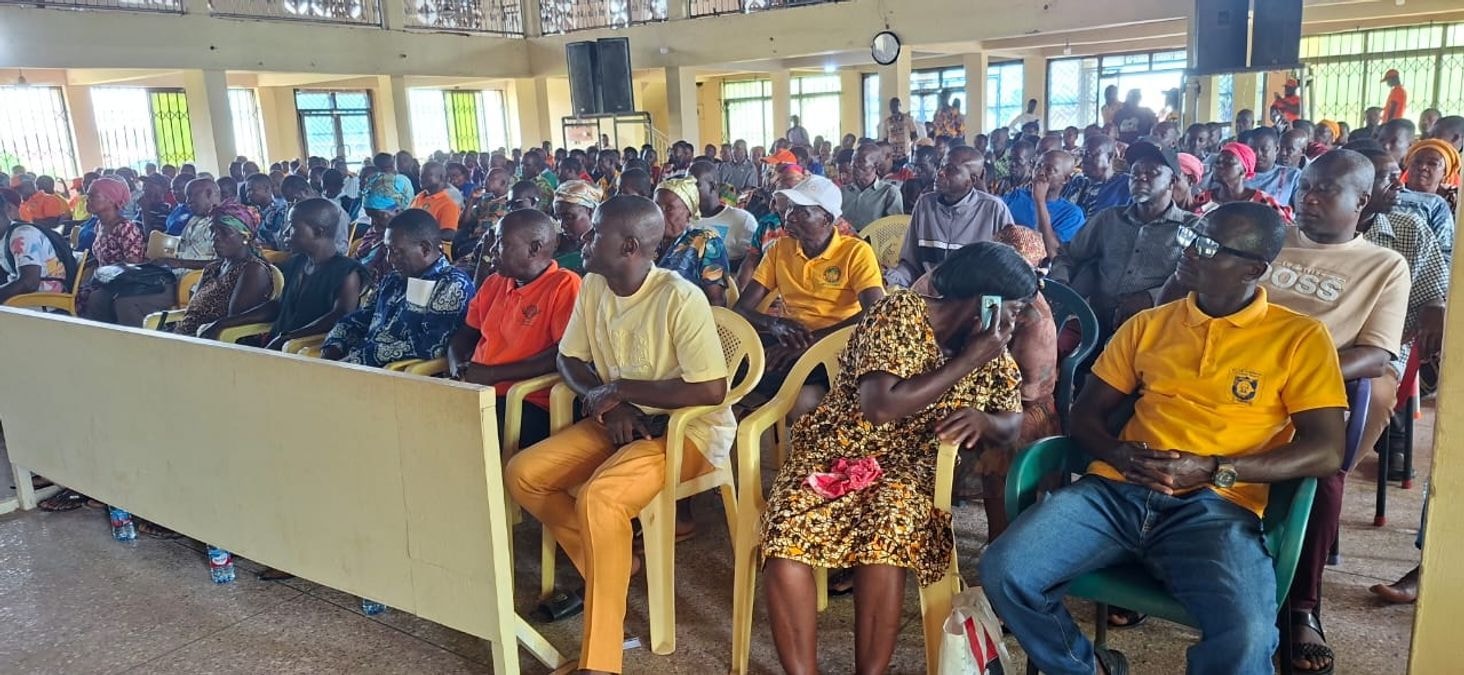
Cocoa farmers and traditional leaders in the Ashanti Region have expressed satisfaction with the Ghana Cocoa Board Act, 2026 (Act 1182), while acknowledging the rationale behind the producer price announced for the new cocoa season, despite their initial expectations of a higher price.
Investments
£250m in deals moves to next stage
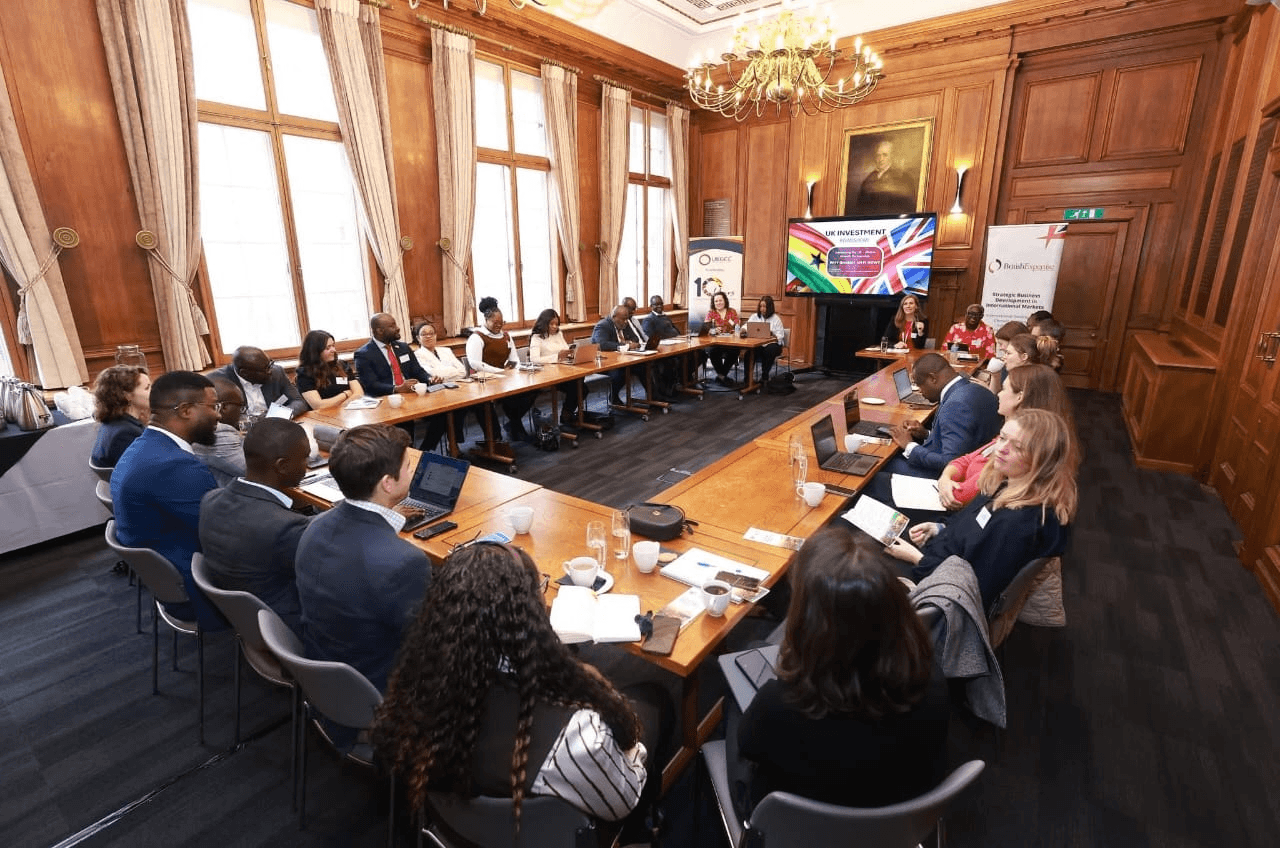
Government is working to turn investor interest into actual investment as a UK roadshow in London seeks to advance commercial opportunities worth more than £250 million, within a broader pipeline exceeding £1.4 billion.

Commodities
GH¢3.39bn raise tests COCOBOD’s domestic funding model
The first test of COCOBOD’s new domestic financing model has produced GH¢3.39billion, falling short of the GH¢4billion target and putting investor appetite for the board’s planned GH¢16.3billion funding programme under scrutiny.

Investments
Fix FX, VAT bottlenecks to deepen investment flows — EM Advisory
Ghana must improve foreign-exchange access and tax administration - particularly the predictability of VAT refunds and Customs processes - to convert investor interest into deeper and more sustained capital flows, Emerging Market Advisory has said.

News
Regulus and partners break ground for Cancer Care Unit at St. Anthony’s Hospital
Regulus Investment and Financial Services Ghana Limited, in partnership with Provident Insurance, the Catholic Diocese of Keta-Akatsi, and St. Anthony’s Hospital, has broken ground for a dedicated Cancer Care Unit at St. Anthony’s Hospital, Dzodze.
Business and Markets
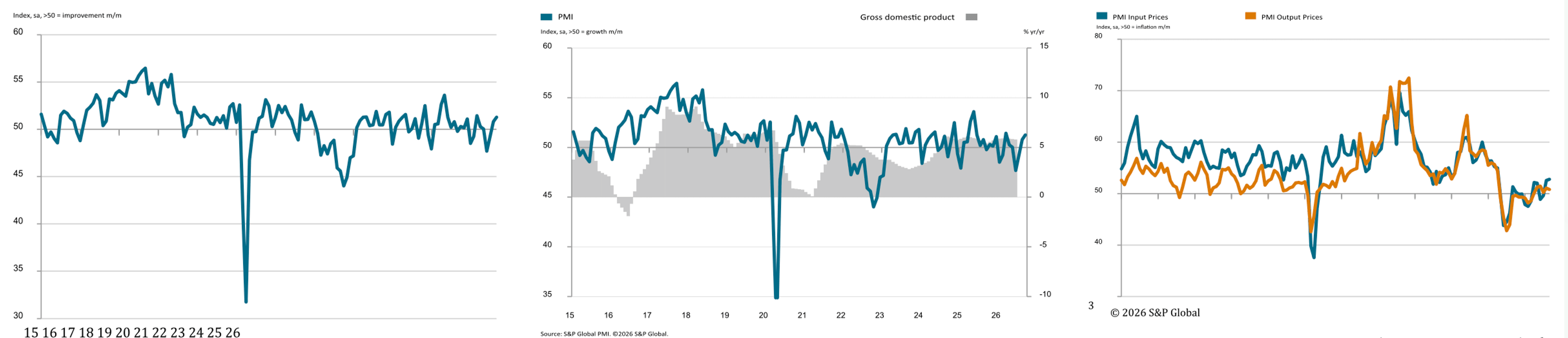
Business confidence strengthens as output rises for second month running
The recovery in business conditions in Ghana's private sector gained strength in September.

Ntiamoah Foundation launches “BEYOND 20” anniversary campaign
Ntiamoah Foundation has launched BEYOND 20: From Impact to Legacy, a year-long campaign marking two decades of improving lives through education, health, and community development, while setting out its vision for the future.

News
Ghana Property & Lifestyle Expo celebrates 10 years with landmark London edition showcasing Ghana to the diaspora
The Ghana Property & Lifestyle Expo will mark its 10th anniversary with a flagship London edition on Friday 16 and Saturday 17 October 2026 at the Business Design Centre in Islington. The free two-day event will connect the diaspora, international investors, families and businesses with trusted opportunities across Ghanaian property, finance, business, tourism and lifestyle.
Comment guidelines
Please keep comments respectful. Use plain English for our global readership and avoid using phrasing that could be misinterpreted as offensive. By commenting, you agree to abide by our community guidelines and these terms and conditions. We encourage you to report inappropriate comments.
No comments yet. Be the first to share your thoughts.