
Study advocates long-term,nature-based solutions to Ghana’s coastal erosion

Published by Juliet Etefe
4 views
Related Coverage: News
News
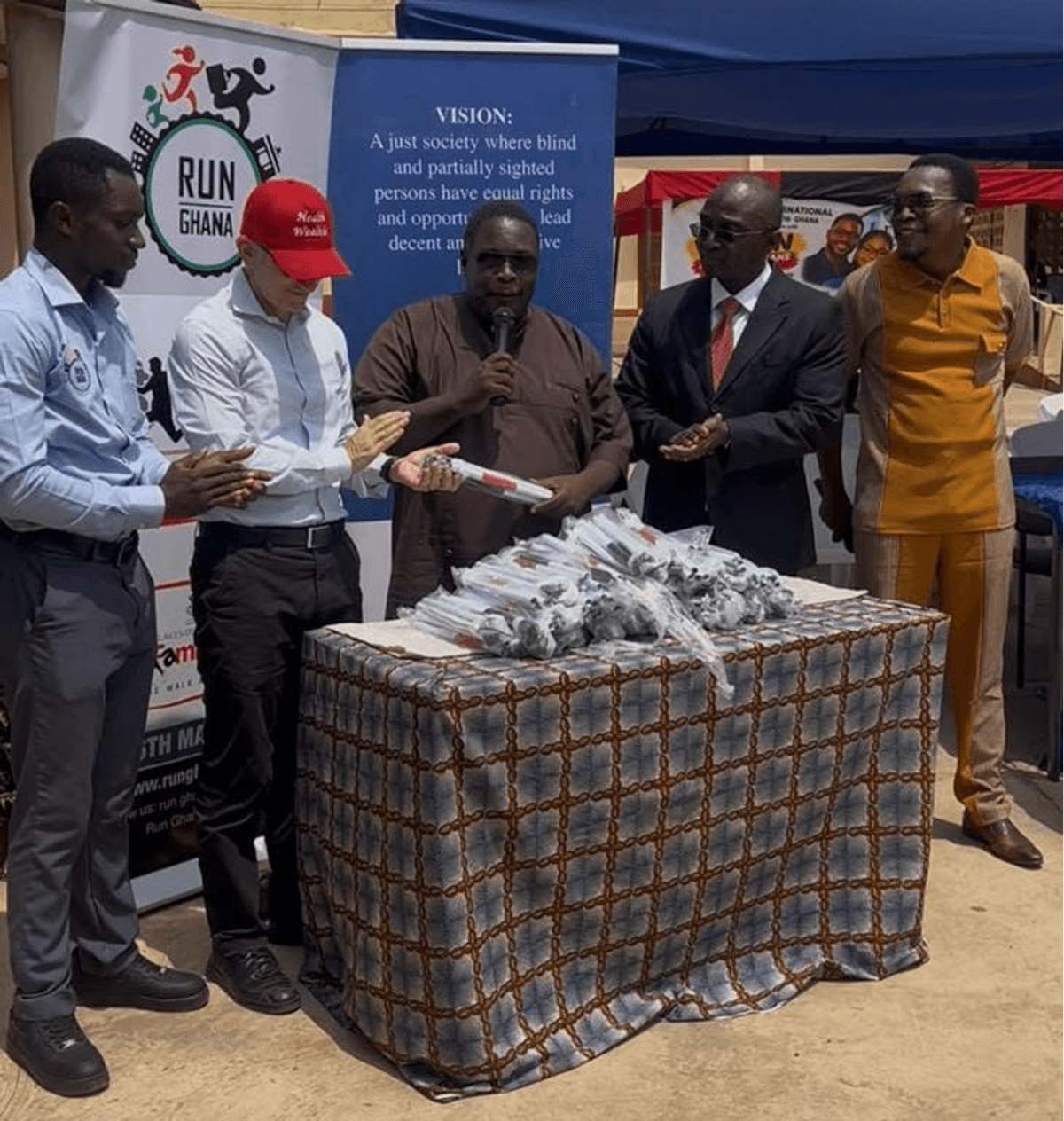
Global Media Alliance/Japan Motors support Ghana Blind Union
Global Media Alliance (GMA) and Japan Motors have donated 60 white canes to the Ghana Blind Union (GBU) to support the welfare and mobility of persons living with visual impairment.

News
SSNIT pays GH¢6.71bn in benefits by September 2026
The Social Security and National Insurance Trust (SSNIT) has paid a total of GH¢6.71 billion in benefits to beneficiaries as of September 2026.
News
Turn economic stability into jobs and industrial growth — ISSER
Ghana must translate macroeconomic stability into job creation, industrial expansion and higher productivity to improve living standards, as government shifts its economic agenda toward structural transformation, Director-Institute of Statistical, Social and Economic Research (ISSER) Professor Robert Darko Osei has said.

News
GoldBod pushes local ownership of mining assets
The Ghana Gold Board (GoldBod) is pushing for greater domestic ownership of mining assets, calling for a shift from reliance on royalties and free-carried interests toward equity participation in sustainable mining ventures as the country seeks to retain more value from its mineral resources.
News
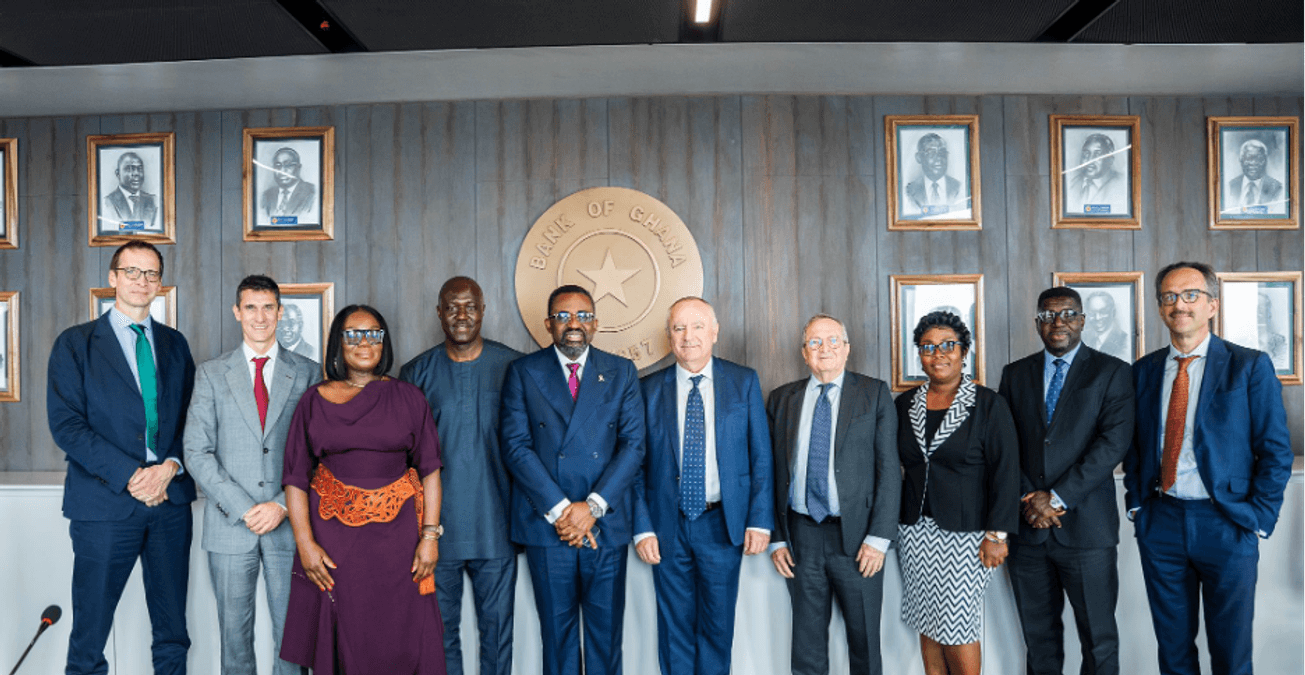
Advans Group, BoG Governor discuss financial sector developments
Advans Group and Advans Ghana Savings and Loans Ltd., have reaffirmed their commitment to responsible finance and financial inclusion following a courtesy call on the Governor of the Bank of Ghana, Dr. Johnson P. Asiama during Advans Group Board Week 2026 from 6th October to 14th October 2026.

News
PPA board chair, Deputy CEO and GIPS vice president honoured
The Board Chairman of the Public Procurement Authority (PPA), Mr. Basil Ahiable, and two other procurement professionals, Rev. Celestine Djane and Dr. Ekow Ghansah, have earned recognition at the 2026 African Supply Chain Confederation (ASCON) Conference Awards, highlighting Ghana’s contribution to advancing procurement and supply chain management across the continent.
News
Producer inflation rises to 4.8%
Producer price inflation rose to 4.8 percent in September 2026 from 4.4 percent in August, driven by accelerating price pressures in mining and manufacturing although the pace of monthly increases slowed, according to Ghana Statistical Service (GSS).

News
Gov’t releases GH¢24.8bn to statutory funds in 2026 — Finance Minister
Finance Minister Dr. Cassiel Ato Forson says the government has paid GH¢24.8 billion into statutory funds since January 2026, demonstrating improved fiscal discipline and more predictable financing for public services.
Comment guidelines
Please keep comments respectful. Use plain English for our global readership and avoid using phrasing that could be misinterpreted as offensive. By commenting, you agree to abide by our community guidelines and these terms and conditions. We encourage you to report inappropriate comments.
No comments yet. Be the first to share your thoughts.